Kirjojen hintavertailu. Mukana 12 282 488 kirjaa ja 12 kauppaa.

Kirjailija

Paul Bishop

Kirjat ja teokset yhdessä paikassa: 54 kirjaa, julkaisuja vuosilta 1995-2026, suosituimpien joukossa Ludwig Klages and the Philosophy of Life. Vertaile teosten hintoja ja tarkista saatavuus suomalaisista kirjakaupoista.

54 kirjaa

Kirjojen julkaisuhaarukka 1995-2026.

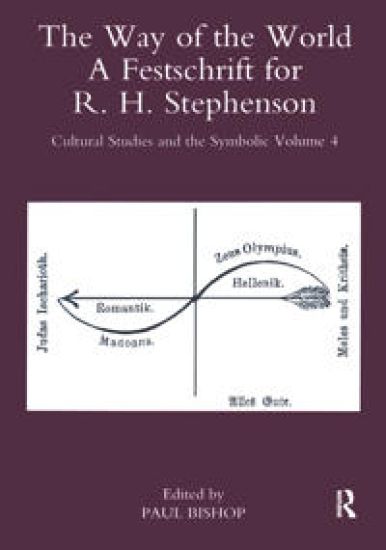
The Way of the World

The Way of the World

Paul Bishop

Maney Publishing
2011
nidottu
Published by Maney on behalf of the Centre for Intercultural Studies, Department of German Language and Literature, University of Glasgow. Inaugurated with a collection of 'intercultural readings' of Goethe on the occasion of the 250th anniversary of his birth, the series Cultural Studies & the Symbolic has, to date, examined various aspects of Ernst Cassirer's theory of symbolic forms, including 'the paths of the symbolic' -- how to symbolize is to have culture --, and 'the persistence of myth' -- the ubiquitousness of that 'symbolic form' Cassirer described as 'lurking in the dark'. In its fourth volume, we turn our attention to the 'world', in the sense in which Nietzsche (in The Gay Science, x108) contrasts 'the astral order in which we live' as opposed to 'the total character of the world' which is, he tells us, 'in all eternity' - 'chaos'.For Cassirer, the function of the symbol was to give form and thus, ultimately, to give birth to the world: as he put it in volume 1 of The Philosophy of Symbolic Forms, we must seek to understand how, in 'the function of linguistic thinking, the function of mythical and religious thinking, and the function of artistic perception', we attain 'an entirely determinate formation, not exactly of the world, but rather making for the world' - eine ganz bestimmte Gestaltung nicht sowohl der Welt, als vielmehr eine Gestaltung zur Welt. And yet the world has, as the title of a famous Restoration comedy puts it, its 'ways'; after they have created it, even the symbol forms inhabit a specific politico-cultural context. To put it another way: how does one negotiate the 'symbolic forms' and the bureaucratic world of application forms? The volume is offered as a Festschrift for Roger Stephenson, who recently retired from the William Jacks Chair of Modern Languages (German) at the University of Glasgow.It consists of a collection of essays reflecting his interests in various aspects of modern German and European literature, and his particular his engagement with Weimar classicism, the so-called Meisterdenker tradition of ideas, and his commitment to close reading -- illuminated by theory -- within a broad cultural context. Contributors include John Michael Krois, Barbara Naumann, Birgit Recki, T.J. Reed, Martin Swales, Isabella Woldt, and the volume's editor, Paul Bishop.
The Persistence of Myth as Symbolic Form: No. 3
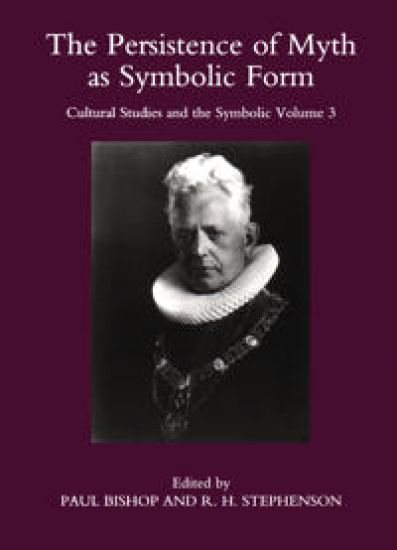
'Myth has not been really vanquished and subjugated. It is always there, lurking in the dark and waiting for its hour and opportunity' Ernst Cassirer, The Myth of the State As a central part of his philosophy of symbolic forms as a form of religious expression, and as a political problematic the question of myth belongs at the heart of Ernst Cassirer's intellectual enterprise. Using a variety of methodological and conceptual approaches, these papers examine the persistence of myth as a symbolic form from a variety of perspectives: philosophical, anthropological, psychological, political, and historico-cultural. In its way each paper attempts, in Cassirer's phrase, to 'see the adversary face to face'. The contributors to this volume are Paul Bishop, Alan Cardew, Milad Doueihi, Dina Gusejnova, Cyrus Hamlin, Stefanie Holscher, Kai Kresse, John Michael Krois, Barbara Naumann, Detlev Patzold, Martine Prange, Birgit Recki, Edward Skidelsky, Roger Stephenson and Jonathan Westwood.
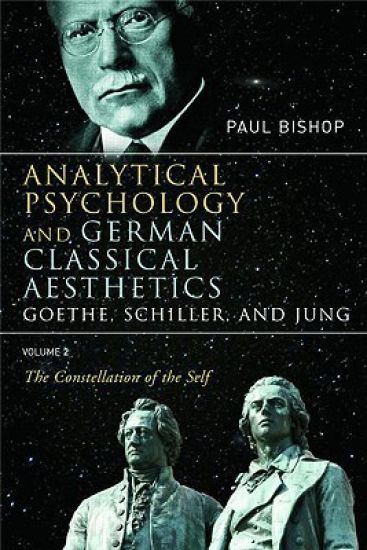
Analytical Psychology and German Classical Aesthetics: Goethe, Schiller, and Jung Volume 2
The second volume of Analytical Psychology and German Classical Aesthetics builds on the previous volume to show how German classicism, specifically the classical aesthetics associated with Goethe and Schiller known as Weimar classicism, was a major influence on psychoanalysis and analytical psychology alike.This volume examines such significant parallels between analytical psychology and Weimar classicism as the methodological similarities between Goethe’s morphological and Jung’s archetypal approaches, which both seek to use synthesis as well as analysis in their attempt to understand the world. It also focuses on the project of the construction of the self, which, it is argued, is not only a personal but also a cultural activity.This book, like its previous volume, aims to clarify the intellectual continuity between Weimar classicism and analytical psychology. It will be of interest to both students and scholars in the fields of analytical psychology, comparative literature, and the history of ideas.
Analytical Psychology and German Classical Aesthetics: Goethe, Schiller, and Jung Volume 2
The second volume of Analytical Psychology and German Classical Aesthetics builds on the previous volume to show how German classicism, specifically the classical aesthetics associated with Goethe and Schiller known as Weimar classicism, was a major influence on psychoanalysis and analytical psychology alike.This volume examines such significant parallels between analytical psychology and Weimar classicism as the methodological similarities between Goethe’s morphological and Jung’s archetypal approaches, which both seek to use synthesis as well as analysis in their attempt to understand the world. It also focuses on the project of the construction of the self, which, it is argued, is not only a personal but also a cultural activity.This book, like its previous volume, aims to clarify the intellectual continuity between Weimar classicism and analytical psychology. It will be of interest to both students and scholars in the fields of analytical psychology, comparative literature, and the history of ideas.
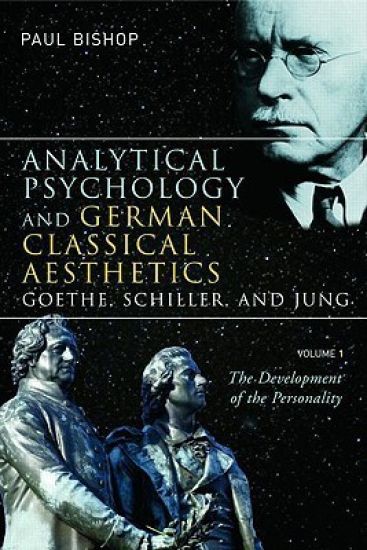
Analytical Psychology and German Classical Aesthetics: Goethe, Schiller, and Jung, Volume 1
In this volume, Paul Bishop investigates the extent to which analytical psychology draws on concepts found in German classical aesthetics. It aims to place analytical psychology in the German-speaking tradition of Goethe and Schiller, with which Jung was well acquainted. Analytical Psychology and German Classical Aesthetics argues that analytical psychology appropriates many of its central notions from German classical aesthetics, and that, when seen in its intellectual historical context, the true originality of analytical psychology lies in its reformulation of key tenets of German classicism. Although the importance for Jung of German thought in general, and of Goethe and Schiller in particular, has frequently been acknowledged, until now it has never been examined in any detailed or systematic way. Through an analysis of Jung’s reception of Goethe and Schiller, Analytical Psychology and German Classical Aesthetics demonstrates the intellectual continuity within analytical psychology and the filiation of ideas from German classical aesthetics to Jungian thought. In this way it suggests that a rereading of analytical psychology in the light of German classical aesthetics offers an intellectually coherent understanding of analytical psychology.By uncovering the philosophical sources of analytical psychology, this first volume returns Jung’s thought to its core intellectual tradition, in the light of which analytical psychology gains new critical impact and fresh relevance for modern thought. Written in a scholarly yet accessible style, this book will interest students and scholars alike in the areas of analytical psychology, comparative literature, and the history of ideas.
Analytical Psychology and German Classical Aesthetics: Goethe, Schiller, and Jung, Volume 1
In this volume, Paul Bishop investigates the extent to which analytical psychology draws on concepts found in German classical aesthetics. It aims to place analytical psychology in the German-speaking tradition of Goethe and Schiller, with which Jung was well acquainted. Analytical Psychology and German Classical Aesthetics argues that analytical psychology appropriates many of its central notions from German classical aesthetics, and that, when seen in its intellectual historical context, the true originality of analytical psychology lies in its reformulation of key tenets of German classicism. Although the importance for Jung of German thought in general, and of Goethe and Schiller in particular, has frequently been acknowledged, until now it has never been examined in any detailed or systematic way. Through an analysis of Jung’s reception of Goethe and Schiller, Analytical Psychology and German Classical Aesthetics demonstrates the intellectual continuity within analytical psychology and the filiation of ideas from German classical aesthetics to Jungian thought. In this way it suggests that a rereading of analytical psychology in the light of German classical aesthetics offers an intellectually coherent understanding of analytical psychology.By uncovering the philosophical sources of analytical psychology, this first volume returns Jung’s thought to its core intellectual tradition, in the light of which analytical psychology gains new critical impact and fresh relevance for modern thought. Written in a scholarly yet accessible style, this book will interest students and scholars alike in the areas of analytical psychology, comparative literature, and the history of ideas.
The Paths of Symbolic Knowledge: Occasional Papers in Cassirer and Cultural-theory Studies, Presented at the University of Glasgow's Centre for Intercultural Studies: No. 2
The famous story of the choice of Hercules became one frequently depicted in Western art and, as Ernst Panofsky showed, the various treatments of this theme demonstrate the significance of cultural continuity through the centuries. At the same time, the motif of Hercules and his choice presents us with a challenge to current theoretical approaches to culture. We can either take the easy path and accept the current hermeneutic orthodoxies of popular cultural studies, or we can choose a harder but, ultimately, more rewarding path: the philosophy of culture articulated by Ernst Cassirer. This volume brings together a collection of papers which reflects the broad sweep, both historical and theoretical, of Cassirer's philosophy of symbolic forms. They range from language-theory to myth and religion; and all are set, with varying degrees of emphasis, in a comparative context.
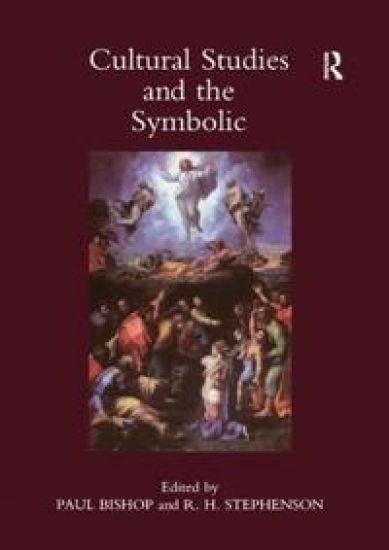
Cultural Studies and the Symbolic: Theory Studies, Presented at the Univeristy of Glasgow's Centre for Intercultural Studies: v. 1: Occasional papers in cassirer and cultural
Given the growing disenchantment, on all sides, with the 'high theory' of the 1970s and 1980s, and with the dominant master-trope of literary and cultural reflexion of the 1980s and 1990s, the extended metaphor or 'allegory', this volume offers a timely re-examination of what, according to Goethe, is a deeper mode of understanding the symbol. Via the life-long preoccupation of Ernst Cassirer with the problems of 'symbolic form', as he christened it, the papers collected here try to come to terms with the thinking of Goethe and Schiller on the symbol, and on related issues. Taken together, they attempt to elucidate the filiation of German classicism down through the nineteenth century to the present, in the belief that some of Cassirer's ideas have fed, often unacknowledged, into the mainstream of contemporary cultural theory, and that the rigour of his thought can help clear up much of the confusion in that 'theory'.
Jung's Answer to Job

Jung's Answer to Job

Paul Bishop

Brunner-Mazel Inc
2002
nidottu
Greeted with controversy on its publication, Answer to Job has long been neglected by many serious commentators on Jung. This book offers an intellectual and cultural context for C.G.Jung's 1952 publication.In Jung's Answer to Job: A Commentary, the author argues that such neglect is due to a failure to understand Jung's objectives in this text and offers a new way of reading the work. The book places Answer to Job in the context of biblical commentary, and then examines the circumstances surrounding its compositions and immediate reception. A detailed commentary on the work discusses the major methodological presuppositions informing it and explains how key Jungian concepts operate in the text. Jung's Answer to Job: A Commentary unravels Jung's narrative by reading it in the chronological order of the biblical events it analyses and the book to which it refers, offering a comprehensive re-reading of Jung's text. An original argument put across in a scholarly and accessible style provides an essential framework for understanding the work. Whilst taking account of the tenets of analytical psychology, this commentary underlines Answer to Job's more general significance in terms of cultural history. It will be invaluable to students and scholars of analytical psychology, the history of ideas, intercultural studies, comparative literature, religion and religious studies.
Jung's Answer to Job

Jung's Answer to Job

Paul Bishop

Brunner-Mazel Inc
2002
sidottu
Greeted with controversy on its publication, Answer to Job has long been neglected by many serious commentators on Jung. This book offers an intellectual and cultural context for C.G.Jung's 1952 publication.In Jung's Answer to Job: A Commentary, the author argues that such neglect is due to a failure to understand Jung's objectives in this text and offers a new way of reading the work. The book places Answer to Job in the context of biblical commentary, and then examines the circumstances surrounding its compositions and immediate reception. A detailed commentary on the work discusses the major methodological presuppositions informing it and explains how key Jungian concepts operate in the text. Jung's Answer to Job: A Commentary unravels Jung's narrative by reading it in the chronological order of the biblical events it analyses and the book to which it refers, offering a comprehensive re-reading of Jung's text. An original argument put across in a scholarly and accessible style provides an essential framework for understanding the work. Whilst taking account of the tenets of analytical psychology, this commentary underlines Answer to Job's more general significance in terms of cultural history. It will be invaluable to students and scholars of analytical psychology, the history of ideas, intercultural studies, comparative literature, religion and religious studies.
Goethe 2000

Goethe 2000

Paul Bishop

Maney Publishing
2000
nidottu
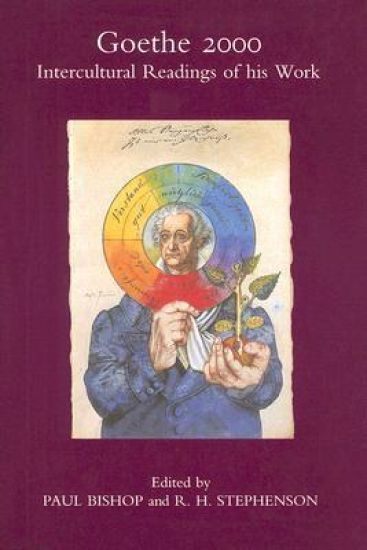
The two-hundred-and-fiftieth anniversary of the birth of Johann Wolfgang von Goethe was celebrated in Scotland by a colloquium held under the auspices of the University of Glasgow's Centre for Intercultural Germanistics in April 1999. Its aim was to reflect both Goethe's own commitment to Weltliteratur and the pressing need in our global village at the turn of the millennium for cultural exchange between scholars of different nations. For if, as Goethe said, 'wer fremde Sprachen nicht kennt, weis nichts von seiner eigenen', then it is also true that 'wer fremde Kulturen nicht kennt; weis nichts von seiner eigenen'.Discussing different themes, different texts, and working with different methodological presuppositions, the papers in this collection nevertheless share the conviction that the significance of Goethe for the new millennium can best be shown by setting his works in an intercultural context. The volume also includes John Michael Krois' Inaugural Ernst Cassirer Lecture in Intercultural Relations, held in the University of Glasgow in April 2000, entitled 'Ernst Cassirer and the Renaissance of Cultural Theory'.
The Dionysian Self

The Dionysian Self

Paul Bishop

De Gruyter
1995
sidottu
The Monographien und Texte zur Nietzsche-Forschung (MTNF) presents outstanding monographic interpretations by scholars, active in various academic fields, of Nietzsche’s work as a whole or of specific themes and aspects. These works are written mostly from a philosophical, literary, communication science, sociological or historical perspective. The publications reflect the current state of research on Nietzsche’s philosophy, on his sources, on his relationship with his predecessors and contemporaries and on the influence of his writings. The volumes are peer-reviewed.