

Kirjailija
Paul Copan
Kirjat ja teokset yhdessä paikassa: 25 kirjaa, julkaisuja vuosilta 2001-2026, suosituimpien joukossa An Introduction to Biblical Ethics. Vertaile teosten hintoja ja tarkista saatavuus suomalaisista kirjakaupoista.
25 kirjaa
Kirjojen julkaisuhaarukka 2001-2026.
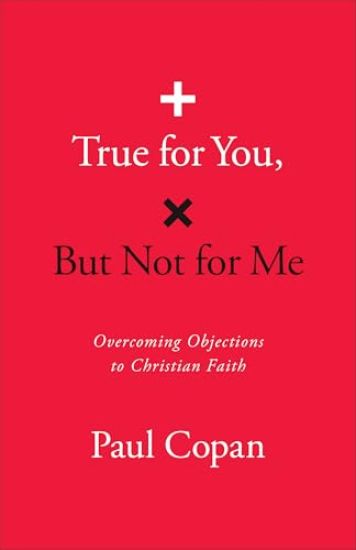
When today's culture glorifies all the Bible says is wrong, how are we, as Christians, to engage in love and truth--especially when we're seen by the world as intolerant, oppressive, and irrelevant? With engaging insight and clear, concise answers, popular apologist and professor Paul Copan helps you navigate today's culture wars with wisdom and humility. Whether engaging with family, friends, neighbors, or coworkers, this fully revised, accessible, and must-have resource will help you respond with thoughtful, gentle responses to remarks such as· "I can choose to love whomever I want."· "I'm a woman trapped in a man's body."· "Christians are intolerant of other viewpoints!"· "Beauty is in the eye of the beholder."· "Christianity is oppressive." Moreover, he shows how, with patience, practice, prayer, and God's grace, you can move into meaningful, effective, and loving conversations even as you stand firmly for truth.
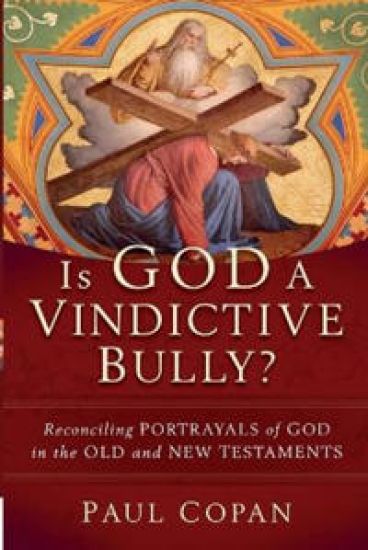
Is God a Vindictive Bully? – Reconciling Portrayals of God in the Old and New Testaments
Paul Copan
BAKER PUBLISHING GROUP
2022
nidottu
Christianity Today 2023 Award of Merit (Apologetics & Evangelism)Critics outside the church often accuse the Old Testament God of genocide, racism, ethnic cleansing, and violence. But a rising tide of critics within the church claim that Moses and other "primitive," violence-prone prophets were mistaken about God's commands and character. Both sets of critics dismiss this allegedly harsh, flawed, "textual" Old Testament God in favor of the kind, compassionate, "actual" God revealed by Jesus. Are they right to do so?Following his popular book Is God a Moral Monster?, noted apologist Paul Copan confronts false, imbalanced teaching that is confusing and misleading many Christians. Copan takes on some of the most difficult Old Testament challenges and places them in their larger historical and theological contexts. He explores the kindness, patience, and compassion of God in the Old Testament and shows how Jesus in the New Testament reveals not only divine kindness but also divine severity. The book includes a detailed Scripture index of difficult and controversial passages and is helpful for anyone interested in understanding the flaws in these emerging claims that are creating a destructive gap between the Testaments.

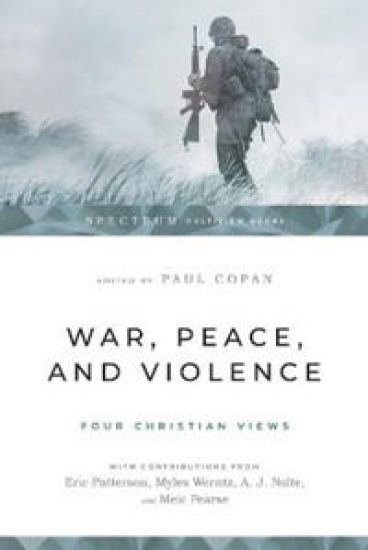
In a world of war, terrorism, and other geopolitical threats to global stability, how should committed Christians honor Jesus Christ and his Word? How should Christians think and act when it comes to church-state relations, the preservation of order, the practice of just peacemaking, and the use of coercive force? In this volume in IVP Academic's Spectrum series, four contributors—experts in Christian ethics, political philosophy, and international affairs—offer the best of current Christian thinking on issues of war and peace. They present four distinct views: Eric Patterson, just war viewMyles Werntz, nonviolence viewA. J. Nolte, Christian realist viewMeic Pearse, church historical view Each contributor makes a case for his own view and responds to the others, highlighting complexities and real-world implications of the various perspectives. Edited and with an introduction and conclusion by the philosopher Paul Copan, this book provides a helpful orientation to the key positions today. Spectrum Multiview Books offer a range of viewpoints on contested topics within Christianity, giving contributors the opportunity to present their position and also respond to others in this dynamic publishing format.

Loving Wisdom: A Guide to Philosophy and Christian Faith
Paul Copan
William B. Eerdmans Publishing Company
2020
nidottu
A guide to Christian philosophy that engages with the biblical story As human beings, we all qualify as philosophers, and Paul Copan contends that we take a position of trust (faith) shaped by philosophical stances but also personal heart commitments (worldviews). In this thoroughly revised and expanded second edition of Loving Wisdom, Copan explores philosophy of religion from a distinctively evangelical Christian perspective--biblically grounded, informed by apologetics, and engaging with questions about universal human longings. Copan presents a distinctively and deliberately biblical philosophy of religion in Loving Wisdom, addressing a wide range of topics and questions as they arise in the metanarrative of scripture. He acknowledges the difficulties, mystery, and disagreements in "religion," while attempting to show how the Christian faith does a much more adequate job of responding to a wide range of challenges as well as addressing our deepest human yearnings. With discussion questions for each chapter and an accessible approach, Loving Wisdom is ideal for the classroom or small groups.
In this 6-session, video-based study guide (DVD/streaming video sold separately) some of today's greatest Christian thinkers and apologists explore many of the most important questions about Christianity and what it has to offer the world today. What is Christianity and how is it unique among worldviews?What are some of the ideas that have influenced the way people think about it?Is there any evidence for God?Why does the resurrection matter? Many people in today's culture hold a wide variety of ideas about religion in general and Christianity in particular, some of which stem from distorted views and misunderstandings that the church can respond well to if it's well equipped.The Searching for God Study Guide will draw you and your small group into a close look at the Christian faith and how it makes better sense of the universe and human nature than two of the most common non-Christian theories: naturalism and relativism. It then examines the central event in the Christian story, the resurrection of Jesus Christ, and how to make a strong defense of this event.Holly Lazzaro expertly leads participants into deeper reflection on the insights provided in the video study by top scholars such as Lee Strobel, William Lane Craig, Gary Habermas, J. Warner Wallace, Nabeel Qureshi, Paul Copan, and many more.This video-based study is designed to be experienced in a group setting or any small gathering and includes video teaching notes, group discussion questions, personal reflections, and Scripture readings.Searching for God Video Study (025986100711) sold separately.

"Until relatively recently, vegetarianism was a dietary alternative for Christians--a mere option or perhaps, for some, a conviction. But the biblical tradition recognized that a plant-based diet isn't more spiritual or moral than eating meat. Meat-eating is legitimate for humans; it is not prohibited and is even blessed by God. Increasingly, secular organizations and activists have been pressuring Christians to turn their freedom into bondage and to adopt false commandments based on activist convictions. Voices from inside the church have joined the chorus.This group of scholars have applied their expertise in biblical studies, theology, philosophy, resource management, communication, and generational pig farming to write an accessible response for Christians who rightly believe that meat-eating is a gift from God. This book responds to leading challenges from animal activism outside the church--offering important biblical and practical correctives to a growing but misguided compassion."
Origins turns much of what Christians learned in Sunday School on its head in a revealing comparison of the Genesis narrative to the competing pagan narrative of the day. Relatively few Bible readers are familiar with the world of the ancient Near East, centered in Mesopotamia and its most prominent city, Babylon. The culture, literature, religions, geography, etc. of the early biblical period dramatically influenced what was written and why and without an understanding of these elements, the purposes, meanings, and structure of the text are easily misread by modern readers and reduces the primeval narrative to a collection of Sunday School stories. Origins, while acknowledging the agendas of modern readers, remains on track in expounding on the ancient agenda. Paul Copan and Douglas Jacoby address the doubts of those who find stumbling blocks in early Genesis, facing the tough questions head on and providing biblical solution to many of the “problem passages.” Origins surprises and amazes all seekers, new believers, and veterans of Scripture alike as it devastates the polytheistic, pagan assumptions and proclaims the true God.
What's the point of studying philosophy when we have theology? Philosophy sometimes suffers from an inferiority complex in the church. But Paul Copan contends that it is possible to affirm theology's preeminence without diminishing the contribution of philosophy. This brief introduction surveys philosophy's basic aims and defends its function in the Christian life.
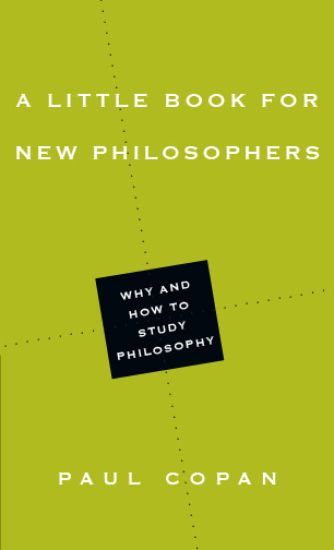
A Little Book for New Philosophers – Why and How to Study Philosophy
Paul Copan
Inter-Varsity Press,US
2016
nidottu
What's the point of studying philosophy when we have theology? Is philosophy anything more than a preparation for apologetics? Often called "theology's handmaid," philosophy has sometimes suffered from an inferiority complex in the church. Many Christians see little point in it at all. But as Paul Copan contends, it is possible to affirm theology's preeminence without diminishing the value and contribution of philosophy. In A Little Book for New Philosophers, Copan offers a concise introduction to the study of philosophy. Aimed at newcomers, this brief overview is both a survey of philosophy's basic aims and categories and an apology for its proper function in the life of the Christian. "By God's grace," Copan writes, "philosophy can enhance our understanding and worship of God . . . and assist us in defending the coherence of our faith in the Lord Jesus Christ."
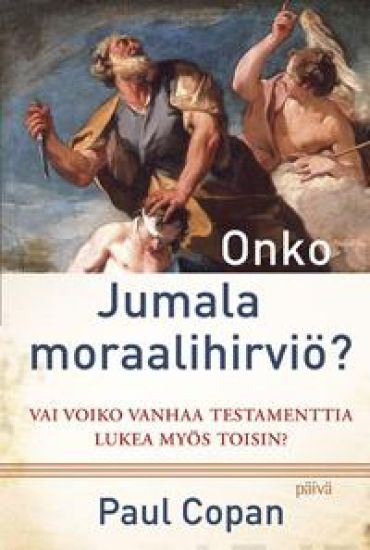
Onko Vanhan testamentin Jumala pelkkä kiusaaja, murhaaja ja sortaja? Monet näyttävät nykyään uskovan niin jopa ne, jotka toimivat kirkon piirissä. Kuinka vastata tuollaisiin syytöksiin? Entä kuinka sovittaa yhteen Jumalan kaksi erilaiselta näyttävää luontoa, jotka esitellään Vanhassa ja Uudessa testamentissa? Tässä ajankohtaisessa ja ajattomassa, helppotajuisessa kirjassa Paul Copan käsittelee joitakin aikamme hankalimmista syytteistä. Hän vastaa arvosteluun ja lisäksi näyttää, miten voimme lukea sekä Vanhaa että Uutta testamenttia uskossa, jolloin molemmissa näyttäytyy muuttumaton, oikeamielinen ja rakastava Jumala. Filosofian tohtori Paul Copan toimii filosofian ja etiikan professorina Palm Beach Atlantic -yliopistossa Floridassa. Häneltä on julkaistu useita kansantajuisia kirjoja, joissa hän puolustaa kristillistä uskoa.
Maailma ei suvaitse kristittyjen uskonilmauksia. Olet luultavasti kuullut monia kristinuskon vastaisia kommentteja, joissa yritetään kumota kristillisen uskon oikeellisuus. Sellaisten kommenttien ei tarvitse tyrehdyttää keskustelua. Paul Copan antaa selkeitä, ytimekkäitä ja punnittuja vastauksia kriittisiin huomautuksiin. Hän osoittaa, kuinka voimme "kärsivällisesti, käytännöllisesti, rukoillen ja Jumalan armosta" vastata kyseenalaistajille lempeästi. Silloin on mielekkäämpää keskustella niiden kanssa, jotka vastustavat uskoamme. Filosofian tohtori Paul Copan toimii filosofian ja etiikan professorina Palm Beach Atlantic -yliopistossa Floridassa. Häneltä on julkaistu useita kansantajuisia kirjoja, joissa hän puolustaa kristillistä uskoa.
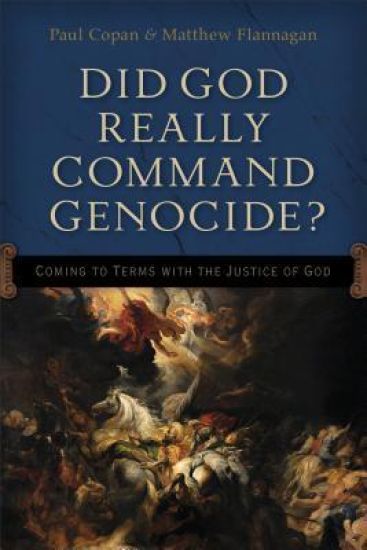
Did God Really Command Genocide? – Coming to Terms with the Justice of God
Paul Copan; Matt Flannagan
Baker Books, a division of Baker Publishing Group
2014
nidottu
A common objection to belief in the God of the Bible is that a good, kind, and loving deity would never command the wholesale slaughter of nations. Even Christians have a hard time stomaching such a thought, and many avoid reading those difficult Old Testament passages that make us squeamish. Instead, we quickly jump to the enemy-loving, forgiving Jesus of the New Testament. And yet, the question doesn't go away. Did God really command genocide? Is the command to "utterly destroy" morally unjustifiable? Is it literal? Are the issues more complex and nuanced than we realize?In the tradition of his popular Is God a Moral Monster?, Paul Copan teams up with Matthew Flannagan to tackle some of the most confusing and uncomfortable passages of Scripture. Together they help the Christian and nonbeliever alike understand the biblical, theological, philosophical, and ethical implications of Old Testament warfare passages. Pastors, youth pastors, campus ministers, apologetics readers, and laypeople will find that this book both enlightens and equips them for serious discussion of troubling spiritual questions.
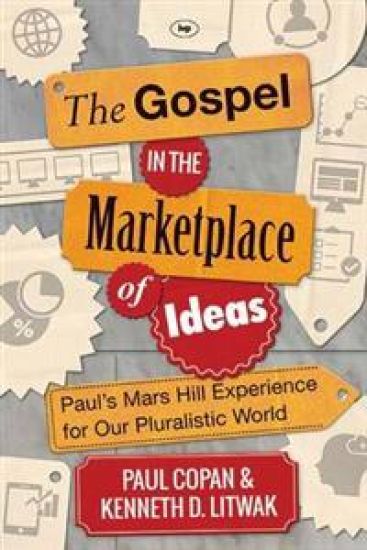
Our world is multicultural, multi-religious, multi-philosophical. It ranges from fundamental monotheism to do-it-yourself spirituality to strident atheism. How can Christians authentically and effectively present the message of Jesus the Messiah in such a pluralistic and often relativistic context? When the apostle Paul visited Athens, he found an equally multicultural and multi-religious setting. Religious practices were wide and varied, with the Roman cult of emperor worship being the most prominent. Many also frequented the temples of the traditional Greek pantheon and participated in the secret rituals of the Mystery Religions. In this stimulating and accessible study, Paul Copan and Kenneth Litwak show how Paul's speech to the Athenians in Acts 17 provides a practical model for today. The authors encourage Christians to 'be more biblically informed, culturally astute, and creatively engaged to winsomely challenge the idols of our time and to point contemporary Athenians beyond "an unknown God" to the God and Father of our Lord Jesus Christ'.
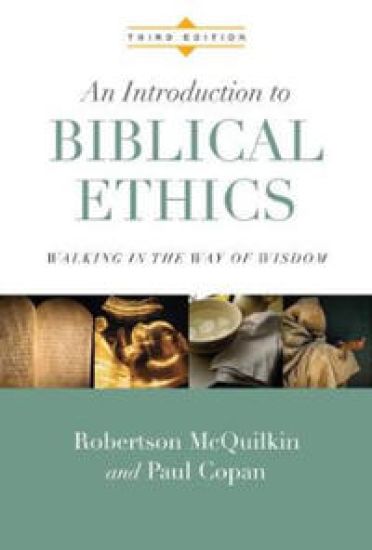
An Introduction to Biblical Ethics – Walking in the Way of Wisdom
Robertson McQuilkin; Paul Copan
Inter-Varsity Press,US
2014
sidottu
What should we do or not do? What attitudes, behavior and qualities are good? Can we be good without God? What is the highest good, the purpose of human existence? These are the questions the study of ethics seeks to answer. Unlike many approaches to ethics, this book foundationally turns to Scripture, going only as far as Scripture itself goes. The result is an overview of biblical ethics that not only addresses the life of love and wisdom to be lived out by Christians as virtuous individuals, but also as Christians in community, in society and in a world of God?s creation. Key preliminary considerations of love, law, sin and virtue are given their due in this thoroughly revised and updated text. The bulk of the work is then organized around the Ten Commandments and ethical themes springing from them—loving God (commandments 1-4) and loving others (commandments 6-10). This new edition includes added material on ethical alternatives such as relativism, social contract, utilitarianism and evolutionary ethicsthe seven deadly sins as well as the cardinal virtues vs. theological virtuesend-of-life ethics, stem-cell research, animal rights, sexuality, genetics and technology, and other bioethical issues such as plastic surgery and surrogate motherhood technology and its depersonalizing effects as well as helping the poorthe church?s engagement in society and how Christians can make a difference in the media. McQuilkin and Copan stay focused on how we are fulfilling the purposes of God for our lives—a will that is for our good and our well-being. This comprehensive study is the place to begin on the journey of living wisely, faithfully and obediently.
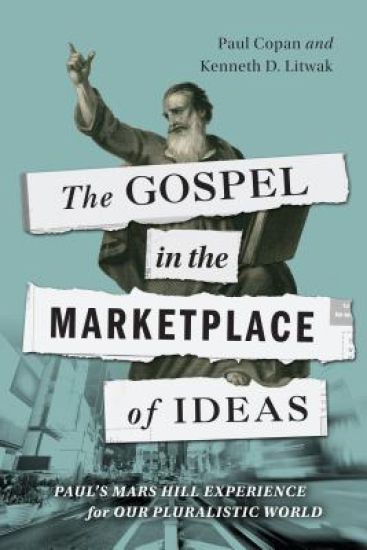
Our world is multicultural, multireligious, multiphilosophical. It ranges from fundamental monotheism to do-it-yourself spirituality to strident atheism. How can Christians engage in communicating across worldviews in this pluralistic and often relativistic society? When Paul visited Athens, he found an equally multicultural and multireligious setting. From Jews to Gentiles, elite to poor, slaves to slave owners, from olive-skinned Gentiles to dark-skinned Ethiopians--the Greco-Roman world was a dynamic mix. Religious practices were also wide and varied, with the imperial cult of emperor worship being the most prominent. Many also frequented the temples for the traditional Greek pantheon, and participated in the secret rituals of the mystery religions.Seeking to embolden the church's witness in today's society, philosopher Paul Copan and New Testament scholar Kenneth Litwak show how Paul's speech to the Athenians (found in Acts 17) provides a practical model for Christians today. They uncover the cultural and religious background of this key episode in the apostle's career and they encourage believers to winsomely challenge the idols of our time to point contemporary Athenians to Christ.
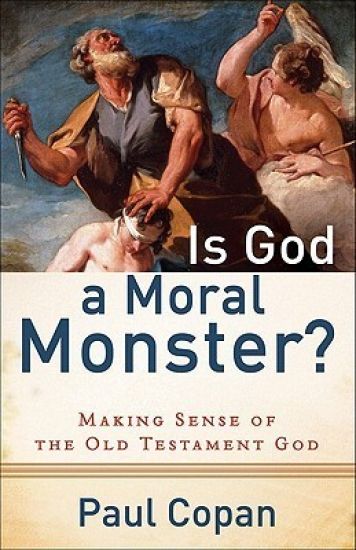
Is God a Moral Monster? – Making Sense of the Old Testament God
Paul Copan
Baker Books, a division of Baker Publishing Group
2011
nidottu
A recent string of popular-level books written by the New Atheists have leveled the accusation that the God of the Old Testament is nothing but a bully, a murderer, and a cosmic child abuser. This viewpoint is even making inroads into the church. How are Christians to respond to such accusations? And how are we to reconcile the seemingly disconnected natures of God portrayed in the two testaments?In this timely and readable book, apologist Paul Copan takes on some of the most vexing accusations of our time, including:God is arrogant and jealousGod punishes people too harshlyGod is guilty of ethnic cleansingGod oppresses womenGod endorses slaveryChristianity causes violenceand moreCopan not only answers God's critics, he also shows how to read both the Old and New Testaments faithfully, seeing an unchanging, righteous, and loving God in both.