Kirjojen hintavertailu. Mukana 12 595 353 kirjaa ja 12 kauppaa.

Kirjailija

Paul E. Walker

Kirjat ja teokset yhdessä paikassa: 6 kirjaa, julkaisuja vuosilta 1993-2019, suosituimpien joukossa Hamid Al-Din Al-Kirmani. Vertaile teosten hintoja ja tarkista saatavuus suomalaisista kirjakaupoista.

6 kirjaa

Kirjojen julkaisuhaarukka 1993-2019.

Hamid Al-Din Al-Kirmani

Hamid Al-Din Al-Kirmani

Paul E. Walker

I.B. Tauris
1999
sidottu
Among the most outstanding Ismaili thinkers, Hamid al-Din al-Kirmani was at the forefront of the intellectual advances of his time and almost on a par with his famous contemporary, Ibn Sina, with whom he shared many philosophical ideas. His ideas on the intellect and the order of creation are a departure from those expressed by early Ismaili thinkers which he endeavoured to amend, thus providing insights into early Ismaili debates about philosophical and scientific concepts. This book presents a systematic investigation of al-Kirmani's life and thought. It focuses on the principal themes of his writings: the nature of human recognition and veneration of God; an understanding of the cosmic order; and the repose and tranquillity of the intellect. The author also examines a number of problems in the biography of al-Kirmani, the affiliations between his metaphysical system of thought and those of al-Farabi and Ibn Sina, and the importance of his writings for the Ismaili da'wa during the late-10th and 11th centuries.
Fatimid History and Ismaili Doctrine
The thirteen studies in this volume explore critical problems in Fatimid history and historiography, many specifically focused on the content of doctrinal writings produced by the Ismaili supporters and agents of this caliphate who worked on behalf of the dynasty both within the empire and outside. Several concern issues in disputes that separated the various factions of Medieval Islam and served to distinguish the Ismailis from the rest, often branding the Fatimids with the charge of heterodoxy. Others deal with the consequence of Shiite rule over a largely non-Shiite populace. Yet others involve the relationship between religious ideology and the administration of government. Among the themes featured in this collection there are separate investigations of institutions of learning, of succession to the imamate, the da`wa, the judiciary, relations with the Byzantines and with the Abbasids, and works on heresiography, doctrines of time and the accusation that the Ismailis upheld the metempsychosis of the human soul. The latter topics help to situate the Ismailis, and hence the Fatimids, within the broader context of Islamic thought.
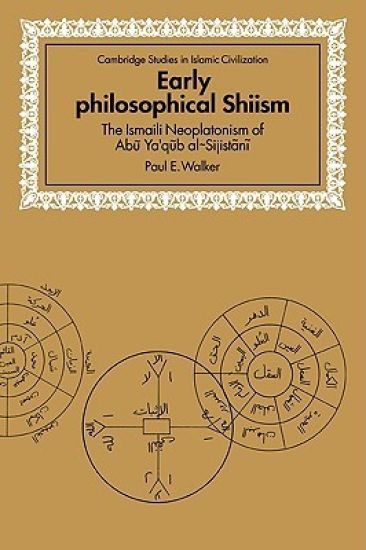
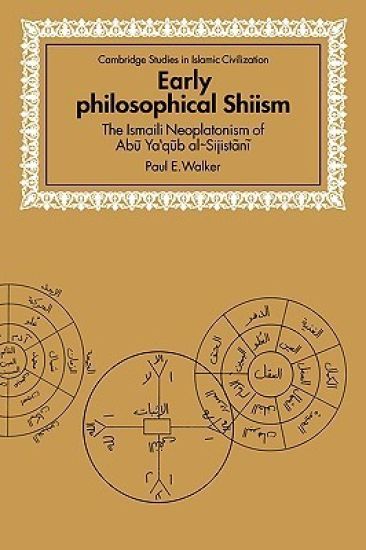
Early Philosophical Shiism

Early Philosophical Shiism

Paul E. Walker

Cambridge University Press
2008
pokkari
The Ismailis, among whom are the followers of the Aga Khan, rose to prominence during the fourth Islamic/tenth Christian century. They developed a remarkably successful intellectual programme to sustain and support their political activities, promoting demands of Islamic doctrine together with the then newly imported sciences from abroad. The high watermark of this intellectual movement is best illustrated in the writings of the Ismaili theoretician Abu Ya´qub al-Sijistani. Using both published and manuscript writings of al-Sijistani that have hitherto been largely hidden, forgotten or ignored, Dr Paul Walker reveals the scholar's major contribution to the development of philosophical Shiism. He analyses his role in the Ismaili mission (da'wa) of that time and critically assesses the major themes in his combination of philosophy and religious doctrine.
Fatimid History and Ismaili Doctrine

Fatimid History and Ismaili Doctrine

Paul E. Walker

Ashgate Publishing Limited
2008
sidottu
The thirteen studies in this volume explore critical problems in Fatimid history and historiography, many specifically focused on the content of doctrinal writings produced by the Ismaili supporters and agents of this caliphate who worked on behalf of the dynasty both within the empire and outside. Several concern issues in disputes that separated the various factions of Medieval Islam and served to distinguish the Ismailis from the rest, often branding the Fatimids with the charge of heterodoxy. Others deal with the consequence of Shiite rule over a largely non-Shiite populace. Yet others involve the relationship between religious ideology and the administration of government. Among the themes featured in this collection there are separate investigations of institutions of learning, of succession to the imamate, the da`wa, the judiciary, relations with the Byzantines and with the Abbasids, and works on heresiography, doctrines of time and the accusation that the Ismailis upheld the metempsychosis of the human soul. The latter topics help to situate the Ismailis, and hence the Fatimids, within the broader context of Islamic thought.
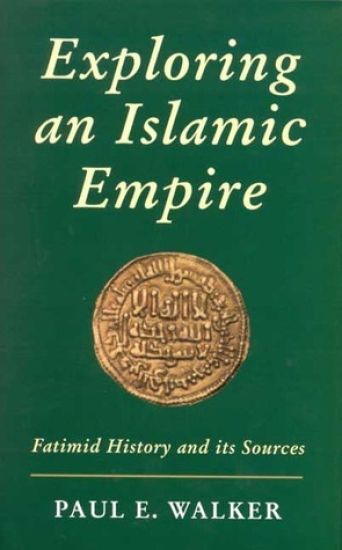
Exploring an Islamic Empire

Exploring an Islamic Empire

Paul E. Walker

I.B. Tauris
2002
sidottu
Exploring an Islamic Empire surveys the three main phases of Fatimid history, and examines various sources that provide information for historical analysis. These sources range from direct evidence such as coins, building dedications, documents and letters, eyewitness and contemporary accounts, histories and biographies, scientific and literary writings, to the work of modern scholars. An extensive bibliography of both medieval sources and modern studies makes this not only a valuable addition to the historiography of the Fatimids but essential reading for students and scholars of Islamic history.
Early Philosophical Shiism

Early Philosophical Shiism

Paul E. Walker

Cambridge University Press
1993
sidottu
The Ismailis, among whom are the followers of the Aga Khan, rose to prominence during the 4th Islamic/10th Christian century. They developed a remarkably successful intellectual programme to sustain and support their political activities, promoting demands of Islamic doctrine together with the then newly imported sciences from abroad. The high watermark of this intellectual movement is best illustrated in the writings of the Ismaili theoretician Abu Ya´qub al-Sijistani. Using both published and manuscript writings of al-Sijistani that have hitherto been largely hidden, forgotten or ignored, Dr Paul Walker reveals the scholar’s major contribution to the development of philosophical Shiism. He analyses his role in the Ismaili mission (da’wa) of that time and critically assesses the major themes in his combination of philosophy and religious doctrine.