

Kirjailija
Paul Goldsmith
Kirjat ja teokset yhdessä paikassa: 3 kirjaa, julkaisuja vuosilta 2017-2026, suosituimpien joukossa Die Evolution des Gehirns. Vertaile teosten hintoja ja tarkista saatavuus suomalaisista kirjakaupoista.
3 kirjaa
Kirjojen julkaisuhaarukka 2017-2026.
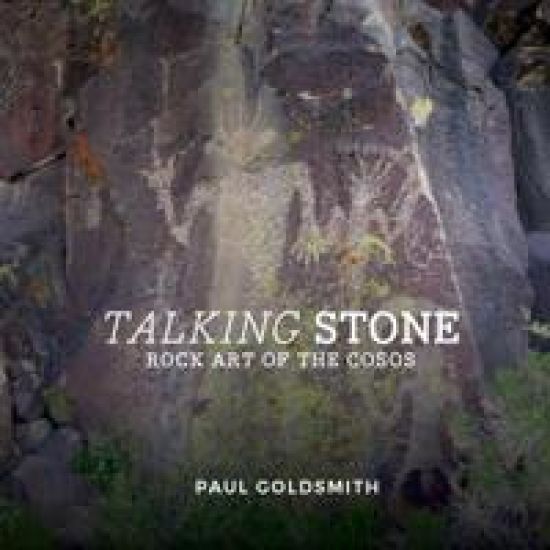
Hidden away in the canyons of a highly restricted military base on the edge of the Mojave Desert is the largest concentration of rock art in North America, possibly in the world. Images of animals, shamans, and puzzling abstract forms were peckedand painted on stone over thousands of years by a now long-gone culture. Talking Stone: Rock Art of the Cosos is a multivocal investigation of this art. Acclaimed cinematographer Paul Goldsmith takes the reader on a visual journey through this limited access area with more than 160 stunningcolor photographs. The book is structured around Goldsmith’s treks into the remote desert canyons and his meetings with archaeologists, Native Americans, a psychologist, an artist, bow hunters, and the commanding officer in charge of the military base. The result is a visually striking book that gives the viewer a personal and visceral experience of this enigmatic art.
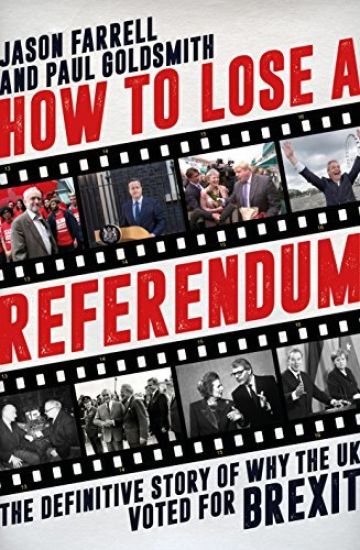
In this definitive account of the momentous In/Out referendum on Britain's membership of the European Union, Sky News Senior Political Correspondent Jason Farrell teams up with blogger and Economics and Politics teacher Paul Goldsmith to provide the definitive explanation of what led to one of the biggest shocks in political history - Brexit. The product of extensive and refreshingly frank interviews with the key players in both campaigns, coupled with a thorough exploration of the historical decisions that led to Britain's departure, How to Lose a Referendum takes us from the creation of the European Union after the Second World War to David Cameron's renegotiation in 2016 and its astonishing aftermath. It looks at what went wrong with the EU brand, the treaties and the changes and consequences that came with them, and asks why a project designed to promote peace and prosperity was ultimately so hard to defend. Along the way, Farrell and Goldsmith identify eighteen key reasons why the UK chose to leave.In each case whether it be an individual like Nigel Farage, social change such as the rise of a disaffected electorate, or the failure of the remainers' message to hit home - the authors dig deep to get to the root of the issue.