Kirjojen hintavertailu. Mukana 12 558 769 kirjaa ja 12 kauppaa.

Kirjailija

Paul Herrick

Kirjat ja teokset yhdessä paikassa: 8 kirjaa, julkaisuja vuosilta 1999-2024, suosituimpien joukossa Christian Apologetics and Philosophy. Vertaile teosten hintoja ja tarkista saatavuus suomalaisista kirjakaupoista.

8 kirjaa

Kirjojen julkaisuhaarukka 1999-2024.

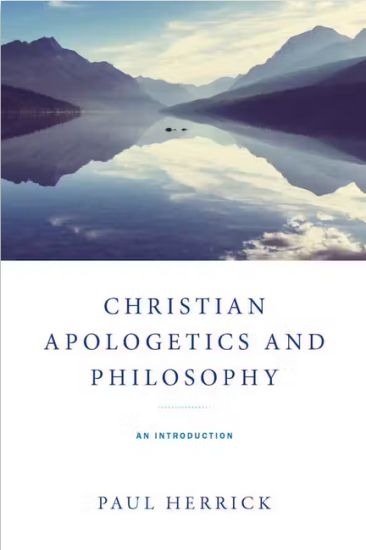
Christian Apologetics and Philosophy

Christian Apologetics and Philosophy

Paul Herrick

UNIVERSITY OF NOTRE DAME PRESS
2024
nidottu
A highly readable introduction to Christian apologetics that joins contemporary analytic philosophy with modern biblical scholarship. In this book, Paul Herrick presents the basics of classical Christian apologetics in the form of an inference to the best explanation argument that builds from the book's first chapter to its last. Drawing on contemporary philosophy, logic, and biblical scholarship, Herrick incorporates thoughts from Socrates, Plato, Thomas Aquinas, and C. S. Lewis, as well as scholars such as William Lane Craig, J. P. Moreland, Richard Swinburne, and Craig Blomberg, to present a multifaceted argument for the Christian faith. With sections on the Socratic method, the Christian examination of conscience, the Big Bang, miracles, the historical reliability of the New Testament, the resurrection of Christ, and more, this book promises to be useful intellectually and spiritually for seekers, doubters, and those already in the faith.
Christian Apologetics and Philosophy

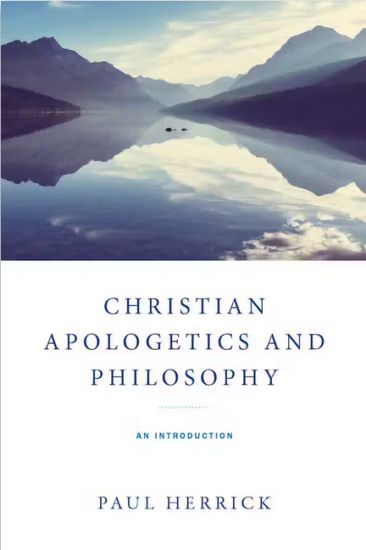
Christian Apologetics and Philosophy

Paul Herrick

UNIVERSITY OF NOTRE DAME PRESS
2024
sidottu
A highly readable introduction to Christian apologetics that joins contemporary analytic philosophy with modern biblical scholarship. In this book, Paul Herrick presents the basics of classical Christian apologetics in the form of an inference to the best explanation argument that builds from the book's first chapter to its last. Drawing on contemporary philosophy, logic, and biblical scholarship, Herrick incorporates thoughts from Socrates, Plato, Thomas Aquinas, and C. S. Lewis, as well as scholars such as William Lane Craig, J. P. Moreland, Richard Swinburne, and Craig Blomberg, to present a multifaceted argument for the Christian faith. With sections on the Socratic method, the Christian examination of conscience, the Big Bang, miracles, the historical reliability of the New Testament, the resurrection of Christ, and more, this book promises to be useful intellectually and spiritually for seekers, doubters, and those already in the faith.
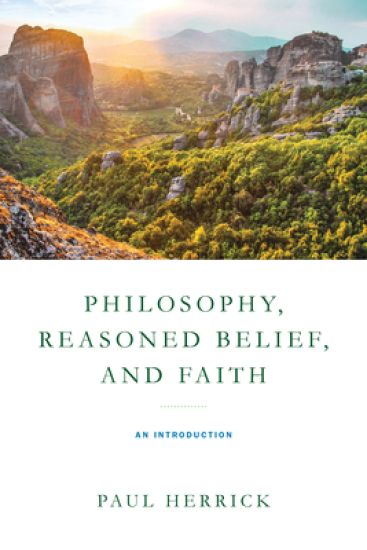
Philosophy, Reasoned Belief, and Faith

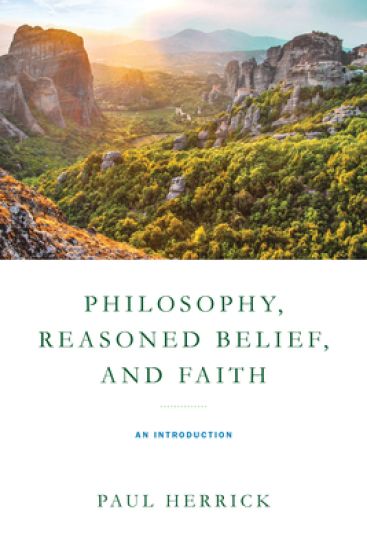
Philosophy, Reasoned Belief, and Faith

Paul Herrick

UNIVERSITY OF NOTRE DAME PRESS
2022
sidottu
This clear, readable introduction to philosophy presents a traditional theistic view of the existence of God. There are many fine introductions to philosophy, but few are written for students of faith by a teacher who is sensitive to the intellectual challenges they face studying in an environment that is often hostile to religious belief. Many introductory texts present short, easy-to-refute synopses of the traditional arguments for God's existence, the soul, free will, and objective moral value rooted in God's nature, usually followed by strong objections stated as if they are the last word. This formula may make philosophy easier to digest, but it gives many students the impression that there are no longer any good reasons to accept the beliefs just mentioned. Philosophy, Reasoned Belief, and Faith is written for philosophy instructors who want their students to take a deeper look at the classic theistic arguments and who believe that many traditional views can be rigorously defended against the strongest objections. The book is divided into four sections, focusing on philosophy of religion, an introduction to epistemology, philosophy of the human person, and philosophical ethics. The text challenges naturalism, the predominant outlook in the academic world today, while postmodernist relativism and skepticism are also examined and rejected. Students of faith—and students without faith—will deepen their worldviews by thoughtfully examining the philosophical arguments that are presented in this book. Philosophy, Reasoned Belief, and Faith will appeal to Christian teachers, analytic theists, home educators, and general readers interested in the classic arguments supporting a theistic worldview.
Philosophy, Reasoned Belief, and Faith

Philosophy, Reasoned Belief, and Faith

Paul Herrick

UNIVERSITY OF NOTRE DAME PRESS
2022
nidottu
This clear, readable introduction to philosophy presents a traditional theistic view of the existence of God. There are many fine introductions to philosophy, but few are written for students of faith by a teacher who is sensitive to the intellectual challenges they face studying in an environment that is often hostile to religious belief. Many introductory texts present short, easy-to-refute synopses of the traditional arguments for God's existence, the soul, free will, and objective moral value rooted in God's nature, usually followed by strong objections stated as if they are the last word. This formula may make philosophy easier to digest, but it gives many students the impression that there are no longer any good reasons to accept the beliefs just mentioned. Philosophy, Reasoned Belief, and Faith is written for philosophy instructors who want their students to take a deeper look at the classic theistic arguments and who believe that many traditional views can be rigorously defended against the strongest objections. The book is divided into four sections, focusing on philosophy of religion, an introduction to epistemology, philosophy of the human person, and philosophical ethics. The text challenges naturalism, the predominant outlook in the academic world today, while postmodernist relativism and skepticism are also examined and rejected. Students of faith—and students without faith—will deepen their worldviews by thoughtfully examining the philosophical arguments that are presented in this book. Philosophy, Reasoned Belief, and Faith will appeal to Christian teachers, analytic theists, home educators, and general readers interested in the classic arguments supporting a theistic worldview.
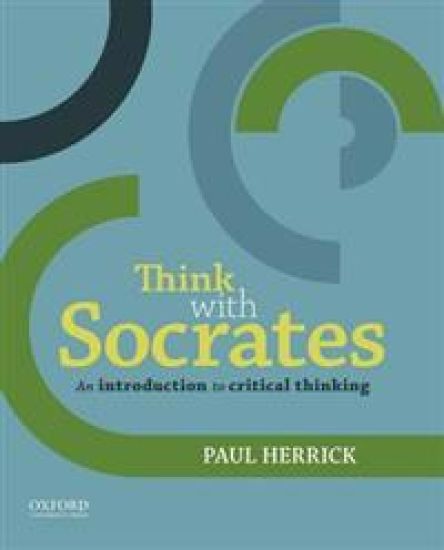
Think with Socrates: An Introduction to Critical Thinking
Brief yet also comprehensive, Think with Socrates: An Introduction to Critical Thinking uses the methods, ideas, and life of Socrates as a model for critical thinking. It offers a more philosophical, historical, and accessible introduction than longer textbooks while still addressing all of the key topics in logic and argumentation. Applying critical thinking to the Internet, mass media, advertising, personal experience, expert authority, the evaluation of sources, writing argumentative essays, and forming a worldview, Think with Socrates resonates with today's students and teaches them how to apply their skills to the real world. At the same time, it also covers the ancient intellectual roots and history of the field, placing critical thinking in its larger context to help students appreciate its perennial value. Author Paul Herrick incorporates original sources from newspapers, a variety of media, and philosophical writing, along with engaging "interludes" featuring selections from Plato's dialogues.
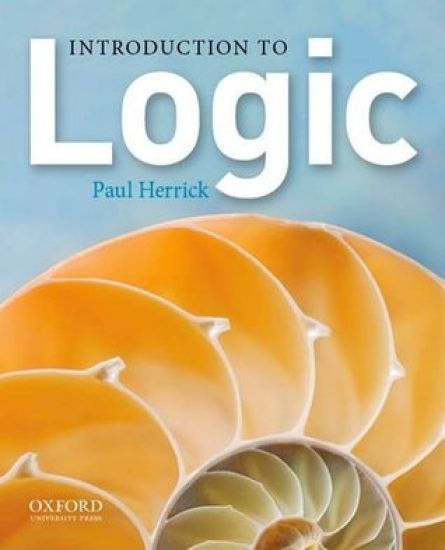
Introduction to Logic

Introduction to Logic

Paul Herrick

Oxford University Press Inc
2012
nidottu
This is a comprehensive introduction to the fundamentals of logic (both formal logic and critical reasoning), with exceptionally clear yet conversational explanations and a multitude of engaging examples and exercises. Herrick's examples are on-point and fun, often bringing in real-life situations and popular culture. And more so than other logic textbooks, Introduction to Logic brings in the history of philosophy and logic through interesting boxes/sidebars and discussions, showing logic's relation to philosophy. The book is especially suited for use in the "Open Course Library," a comprehensive online logic course that is open and free. Jointly funded by the state of Washington and the Bill & Melinda Gates Foundation, the Logic Course is one of 80 hybrid courses available online at no charge to the more than 400,000 students in the Washington system. The course is also available for logic courses throughout the US and the world. The Logic Course is available online now. Herrick was chosen to develop the Logic Course for the online Open Course Library. Here is a link for information on the Open Library Course Logic Course: The most affordable logic text available, Introduction to Logic is offered in both paperback and eBook formats and is ideal for any introduction to logic course. Ancillaries: An Instructor's Manual features a brief summary of each chapter of the text, answers to all the questions in the text, additional questions and exercises for instructors to use on quizzes and exams, and a PowerPoint presentation that covers the entire book. The Instructor's Manual is available on CD or online at www.oup.com/us/herrick. Also online at www.oup.com/us/herrick, students will find self-quizzes with a limited number of questions taken from the test bank. As part of the Open Course Library, instructors and students can access the entire online logic course, which features 115 video demonstrations that follow the book chapter-by-chapter, over 20 detailed PowerPoint presentations covering the most technical parts of the course, and over 40 online lectures featuring a self-test with answers for each chapter. Additionally, Herrick's website, www.manyworldsoflogic.com, exists as a general online resource for teachers and students of logic and features extra credit assignments and further study materials. Message: Untangling the complexities of logical theory using clear explanations and many examples drawn right out of everyday life
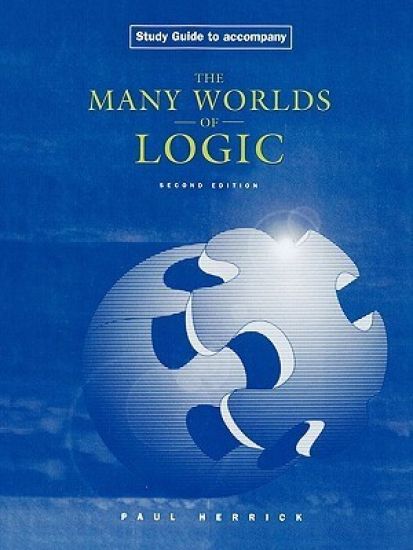
Study Guide to Accompany Many Worlds of Logic, 2/e

Study Guide to Accompany Many Worlds of Logic, 2/e

Paul Herrick

Oxford University Press Inc
1999
nidottu
In this accompanying study guide to The Many Worlds of Logic, 2/e, author Paul Herrick opens each chapter with a summary of its content and the skills that students will learn or master at its end. To avoid repetition, the Selected Answers section from the back of the main text--consisting of approximately one-third of the book's problems--is not presented in this study guide. Instead, students have access to the answers to most of the remaining problems. The author has purposely left some questions unanswered in both the textbook and this study guide so that they can be assigned as homework assignments.
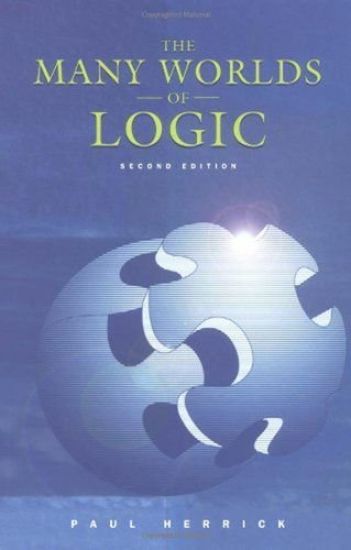
The Many Worlds of Logic

The Many Worlds of Logic

Paul Herrick

Oxford University Press Inc
1999
sidottu
With clear explanations and many examples drawn right out of day-to-day life, Paul Herrick untangles the complexities of logical theory in The Many Worlds of Logic. This new edition adds new chapters on informal logic and critical thinking. It also breaks out longer chapters from the previous edition into shorter, more focused chapters. Herrick has added many new explanations and examples; in in each chapter, he covers the fundamentals completely before moving on to more challenging areas. Features * Difficult terms are highlighted and explained carefully * End-of-chapter glossaries help students remember important terms * Hundreds of examples demonstrate the application of concepts * Hundreds of excercises help students learn logic by actually doing it * Truth-trees in an appendix help students go beyond the basics