Kirjojen hintavertailu. Mukana 12 301 825 kirjaa ja 12 kauppaa.

Kirjailija

Paul Middleton

Kirjat ja teokset yhdessä paikassa: 10 kirjaa, julkaisuja vuosilta 2006-2021, suosituimpien joukossa Pagans, Jews and Early Christians. Vertaile teosten hintoja ja tarkista saatavuus suomalaisista kirjakaupoista.

10 kirjaa

Kirjojen julkaisuhaarukka 2006-2021.

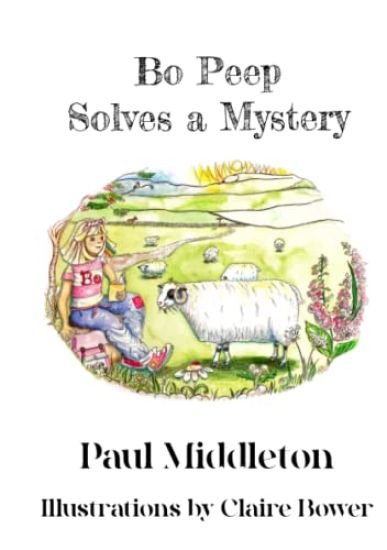
Bo Peep Solves a Mystery

Bo Peep Solves a Mystery

Paul Middleton

Lulu.com
2021
pokkari
Bo Peep solves a Mystery, written by Paul Middleton and illustrated by Claire Bower is a beautiful and very charming children's story, based on the traditional nursery rhyme 'Little Bo-Peep'. Paul was inspired to write the story especially for his own grand children but now it is in print awaiting discovery by any child who enjoys an exciting adventure. Young children will be enthralled by this modern day Bo as she single handedly solves the mystery. The colourful illustrations will help the youngest readers to follow the story. However, the book has even more to offer After reading the story children have plenty to keep them busy. There is a quiz, written by Paul's own grandchildren, Isaac, Sebastian and Oliver, a fact file, Bible story, and a full set of photocopiable colouring pages based on the illustrations in the book, and more. Bo Peep Solves a Mystery is a beautiful book that makes a perfect addition to any bookshelf.
The Violence of the Lamb

The Violence of the Lamb

Paul Middleton

T. T.Clark Ltd
2019
nidottu
The act of martyrdom in the worldview of the Apocalypse has been considered to be an exemplification of non-violent resistance. Paul Middleton argues here, however, that it is in fact a representation of direct participation by Christians, through their martyrdom, in divine violence against those the author of Revelation portrays as God's enemies. Middleton shows that acceptance of martyrdom is to grasp the invitation to participate in the Revelation's divine violence. Martyrs follow the model laid down by the Lamb, who was not only slain, but resurrected, glorified, and who executes judgement. The world created by the Apocalypse encourages readers to conquer the Beast through martyrdom, but also through the experience of resurrection and being appointed judges. In this role, martyrs participate in the judgement of the wicked by sharing the Lamb's power to judge. Different from eschewing violence, the conceptual world of the Apocalypse portrays God, the Lamb, and the martyrs as possessing more power, might, and violent potential than the Emperor and his armies. Middleton believes that martyrdom and violence are necessary components of the worldview of Revelation.
Salvation in the Gospel of Mark

Salvation in the Gospel of Mark

Gabi Markusse; Paul Middleton

Pickwick Publications
2018
sidottu
The Gospel of Mark portrays Jesus making impossible demands on his disciples. They must follow him even if it costs them their lives. And, unsurprisingly, this proves to be impossible for them to do. They fail drastically in Mark's narrative and run from the scene as Jesus is arrested. Peter had been determined to stay by him unto death, but even he was not able to admit to knowing Jesus at that crucial moment. The strange thing is that Jesus made it clear that it is impossible to enter the Kingdom of God without this sort of radical discipleship. In this narrative study of salvation in the Gospel of Mark, this conundrum is studied closely with surprising results. An investigation of various socio-historical aspects of Mark's background elucidate the connection that Mark makes between the death of Jesus and the following of the disciples. And a study of Mark's narrative as a whole shows that Mark provides hope for those without courage to follow. If they continue to look and listen carefully, the mystery will be unveiled to them. ""In this deceptively penetrating narrative reading of Mark, Markusse-Overduin makes convincing connections between participation in the suffering of the Son of Man and Mark's path of salvation. Amongst her many contributions is the narratival demonstration that through the death of Jesus, the obedience-enabling Spirit makes following Jesus in cross-bearing discipleship possible. An excellent, theological reading of Mark based on creative narrative rereading."" --Kent Brower, Nazarene Theological College This book is based on Gabi Markusse's PhD thesis completed at the University of Manchester in 2013.
Salvation in the Gospel of Mark

Salvation in the Gospel of Mark

Gabi Markusse; Paul Middleton

Pickwick Publications
2018
pokkari
The Gospel of Mark portrays Jesus making impossible demands on his disciples. They must follow him even if it costs them their lives. And, unsurprisingly, this proves to be impossible for them to do. They fail drastically in Mark's narrative and run from the scene as Jesus is arrested. Peter had been determined to stay by him unto death, but even he was not able to admit to knowing Jesus at that crucial moment. The strange thing is that Jesus made it clear that it is impossible to enter the Kingdom of God without this sort of radical discipleship. In this narrative study of salvation in the Gospel of Mark, this conundrum is studied closely with surprising results. An investigation of various socio-historical aspects of Mark's background elucidate the connection that Mark makes between the death of Jesus and the following of the disciples. And a study of Mark's narrative as a whole shows that Mark provides hope for those without courage to follow. If they continue to look and listen carefully, the mystery will be unveiled to them. ""In this deceptively penetrating narrative reading of Mark, Markusse-Overduin makes convincing connections between participation in the suffering of the Son of Man and Mark's path of salvation. Amongst her many contributions is the narratival demonstration that through the death of Jesus, the obedience-enabling Spirit makes following Jesus in cross-bearing discipleship possible. An excellent, theological reading of Mark based on creative narrative rereading."" --Kent Brower, Nazarene Theological College This book is based on Gabi Markusse's PhD thesis completed at the University of Manchester in 2013.
The Violence of the Lamb

The Violence of the Lamb

Paul Middleton

Continuum International Publishing Group Ltd.
2018
sidottu
The act of martyrdom in the worldview of the Apocalypse has been considered to be an exemplification of non-violent resistance. Paul Middleton argues here, however, that it is in fact a representation of direct participation by Christians, through their martyrdom, in divine violence against those the author of Revelation portrays as God's enemies. Middleton shows that acceptance of martyrdom is to grasp the invitation to participate in the Revelation's divine violence. Martyrs follow the model laid down by the Lamb, who was not only slain, but resurrected, glorified, and who executes judgement. The world created by the Apocalypse encourages readers to conquer the Beast through martyrdom, but also through the experience of resurrection and being appointed judges. In this role, martyrs participate in the judgement of the wicked by sharing the Lamb's power to judge. Different from eschewing violence, the conceptual world of the Apocalypse portrays God, the Lamb, and the martyrs as possessing more power, might, and violent potential than the Emperor and his armies. Middleton believes that martyrdom and violence are necessary components of the worldview of Revelation.
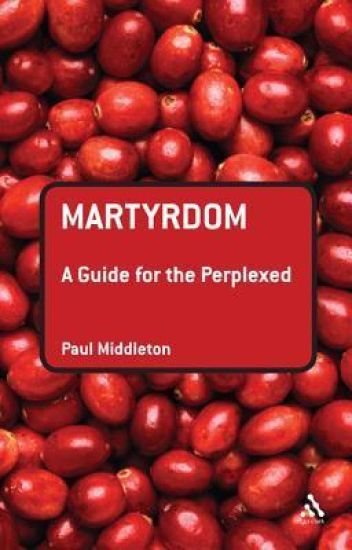
Martyrdom: A Guide for the Perplexed

Martyrdom: A Guide for the Perplexed

Paul Middleton

T. T.Clark Ltd
2011
nidottu
It can be said, almost without exaggeration, that martyrdom has become one of the most pressing theological issues facing the contemporary world. Since the attack on the World Trade Center in 2001, the world has had to face up to an Islamic manifestation of martyrdom. Martyrdom has a long history; as long as individuals have been dying for their faith or cause, others have been telling and more importantly, interpreting their stories. These martyrologies are essentially conflict stories. Whether a Christian confessing her faith before a bemused Roman governor, or a suicide bomber blowing himself up in a crowed cafe in Jerusalem, the way these stories are recounted - positively or negatively - reflect a wider conflict in which the narrator and his community find themselves. Martyr narratives, whether textual, oral, or even a CNN news report, do more than simply report a death; they also contain the interpretative framework by which that death is understood - again positively or negatively. When the death of a martyr is reported, the way in which that story is told places that death within a larger narrative of conflict, which may be regional, global, or even cosmic. The martyr becomes a symbol of the community's desires and hopes, or for that matter, their terrors and fears, but in either case, the martyr is representative of a larger struggle, and often martyrology contains the vision of how the community envisages final victory over their enemy. This book aims to illuminate the way these conflict stories have been told and function (principally, though not exclusively) within Christian, Jewish, and Islamic communities. Continuum's "Guides for the Perplexed" are clear, concise and accessible introductions to thinkers, writers and subjects that students and readers can find especially challenging - or indeed downright bewildering. Concentrating specifically on what it is that makes the subject difficult to grasp, these books explain and explore key themes and ideas, guiding the reader towards a thorough understanding of demanding material.
Martyrdom: A Guide for the Perplexed

Martyrdom: A Guide for the Perplexed

Paul Middleton

T. T.Clark Ltd
2011
sidottu
It can be said, almost without exaggeration, that martyrdom has become one of the most pressing theological issues facing the contemporary world. Since the attack on the World Trade Center in 2001, the world has had to face up to an Islamic manifestation of martyrdom. Martyrdom has a long history; as long as individuals have been dying for their faith or cause, others have been telling and more importantly, interpreting their stories. These martyrologies are essentially conflict stories. Whether a Christian confessing her faith before a bemused Roman governor, or a suicide bomber blowing himself up in a crowed cafe in Jerusalem, the way these stories are recounted - positively or negatively - reflect a wider conflict in which the narrator and his community find themselves. Martyr narratives, whether textual, oral, or even a CNN news report, do more than simply report a death; they also contain the interpretative framework by which that death is understood - again positively or negatively. When the death of a martyr is reported, the way in which that story is told places that death within a larger narrative of conflict, which may be regional, global, or even cosmic. The martyr becomes a symbol of the community's desires and hopes, or for that matter, their terrors and fears, but in either case, the martyr is representative of a larger struggle, and often martyrology contains the vision of how the community envisages final victory over their enemy. This book aims to illuminate the way these conflict stories have been told and function (principally, though not exclusively) within Christian, Jewish, and Islamic communities. Continuum's "Guides for the Perplexed" are clear, concise and accessible introductions to thinkers, writers and subjects that students and readers can find especially challenging - or indeed downright bewildering. Concentrating specifically on what it is that makes the subject difficult to grasp, these books explain and explore key themes and ideas, guiding the reader towards a thorough understanding of demanding material.
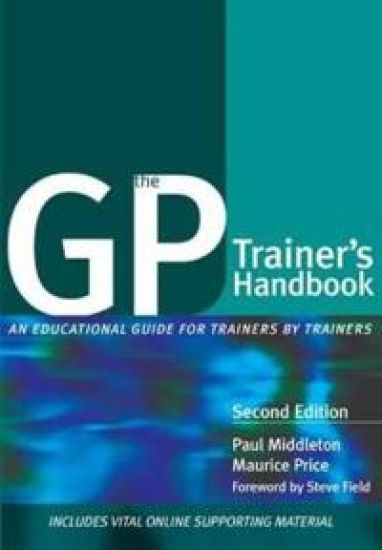
The GP Trainer's Handbook

The GP Trainer's Handbook

Paul Middleton; Maurice Price

Radcliffe Publishing Ltd
2011
nidottu
The ten years since the First Edition of this book have witnessed revolutionary changes in GP training: appraisal, the new MRCGP exam and competence-based assessments to name but three. Greater availability of information has also transformed the social context of General Practice as a profession. Despite this, the one-to-one relationship between trainer and trainee remains the lynchpin of GP education, and this manual's key principle - that GP trainers are the key source of expertise in this field, and that their experiences and ideas are a vital and still-underused resource - is as important as ever. This new edition, fully revised and updated to reflect the latest changes in both GP training and the profession, remains an essential, comprehensive manual of useful advice for GP trainers written by their peers. Outlining educational methods, training philosophies and reflections from practitioners experienced in the entire spectrum of GP education, it provides a tool box of resources to cover the practicalities of training, including e-portfolios, teaching consultation skills, and numerous tips and tricks. It is now augmented with an array of supporting material that includes checklists, forms and evaluation tools, accessed electronically via a code supplied with the book. This book is vital reading for GP tutors and GP trainers as well as those considering such roles, and for all those who manage and oversee the training of GP registrars. 'The next generation of GPs will face even more changes in the landscape of primary care and it has become even more imperative that we provide high-quality training. This manual will support this process.' - from the Foreword by Steve Field
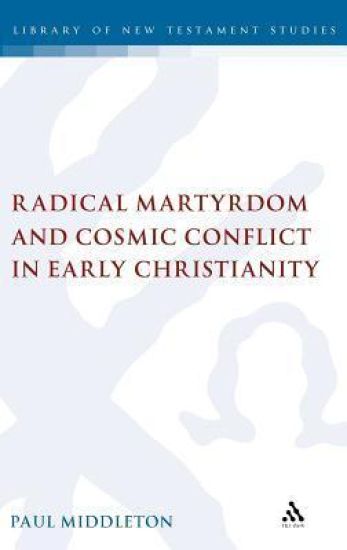
Radical Martyrdom and Cosmic Conflict in Early Christianity
Several view of martyrdom co-existed in the early Church. The orthodox position, generally accepted by scholars, was that a Christian should choose martyrdom rather than deny the Faith, but should not, on any account, court death. Although it has been recognised that some in the early Church did seek a glorified death, by giving themselves over to arrest, most scholars have dismissed such acts as differing from the accepted attitude to martyrdom in the early Church. Therefore, instances of volitional, or radical martyrdom, have been largely overlooked or sidelined in scholarly investigations into the theology and origins of Christian martyrdom. Paul Middleton argues that, far from being a deviant strand of early Christianity, radical martyrdom was a significant, and widely held idealised form of devotion in the late first to early third centuries. Christian martyrdom is placed within the heritage of Jewish War tradition, with each martyr making an important contribution to the cosmic conflict between Satan and God. Radical Martyrdom re-examines the presentation, theology, and origins of Christian martyrdom up to the beginning of the Decian persecutions in the light of new perspectives on the subject.