Kirjojen hintavertailu. Mukana 12 471 663 kirjaa ja 12 kauppaa.
Kirjailija
Paul Salkovskis
Kirjat ja teokset yhdessä paikassa: 4 kirjaa, julkaisuja vuosilta 2010-2025, suosituimpien joukossa FAQs on OCD. Vertaile teosten hintoja ja tarkista saatavuus suomalaisista kirjakaupoista.
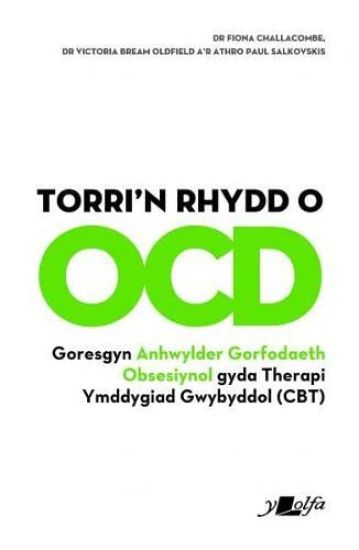
FOREWORD BY PROFESSOR PAUL SALKOVSKIS- You left the doctor's surgery before you could ask the things you really wanted to know.- You've googled your question about OCD and had 75 answers, all contradicting each other.- You asked your best friend - but they looked at you strangely.You have so many questions, but no idea where to start finding the answers. Here they are. In this book you'll find the definitive, expert responses to all your FAQs: On OCD. No question is too simple, too embarrassing, too rude or too offbeat to be included, and each one has been asked by thousands of people just like you.Will people judge me for my thoughts?Can hormones make OCD worse?Does anyone ruminate as much as me?All these questions, and hundreds more, are covered in this short but powerful, helpful, practical guide to managing your OCD. Read at your leisure, or dip in and out when you most need the support or to shine a light on the thoughts and feelings that are making you uncomfortable or unhappy, and to bring them out of the shadows so you can understand and accept them.
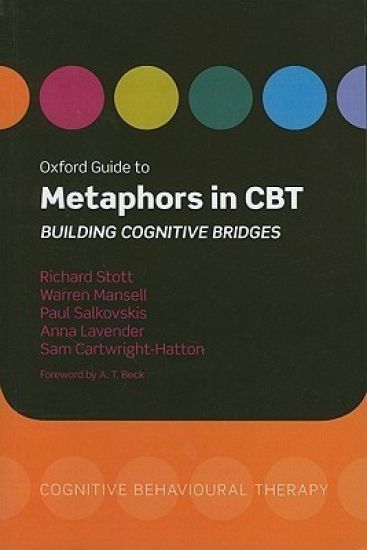
The business of cognitive therapy is to transform meanings. What better way to achieve this than through a metaphor? Metaphors straddle two different domains at once, providing a conceptual bridge from a problematic interpretation to a fresh new perspective that can cast one's experiences in a new light. Even the simplest metaphor can be used again and again with different clients, yet still achieve the desired effect. One such example is the 'broken leg' metaphor for depression. Clients with depression are understandably frustrated with their symptoms. They may often push themselves to get better or tell themselves that they should be better by now. As a therapist, it is fair to ask, would the client be so harsh and demanding on herself after getting a broken leg? A broken leg needs time to heal and you need to begin to walk on it gradually as it builds up in strength. "You can't run before you can walk", and if you try, you are likely to make it worse. For many clients this simple metaphor is enlightening, changing their view of their symptoms as a sign of their own laziness and worthlessness, to a view of them as part of an understandable illness, that while open to improvement, cannot get better over night. This book shows just how metaphors can be used productively in CBT as an integral part of the treatment. It describes the use of metaphors for a wide range of problems, including anxiety and depression, and provides countless examples of metaphors that have been used by others in CBT. It brings together in one place hundreds of metaphors that experienced therapists have used to great success. It will be a valuable sourcebook for all cognitive behaviour therapists, as well as those training in CBT.