Kirjojen hintavertailu. Mukana 12 137 488 kirjaa ja 12 kauppaa.
Kirjailija
Paul Taylor
Kirjat ja teokset yhdessä paikassa: 100 kirjaa, julkaisuja vuosilta 1995-2026, suosituimpien joukossa OCR Sociology for A Level Book 1. Vertaile teosten hintoja ja tarkista saatavuus suomalaisista kirjakaupoista.
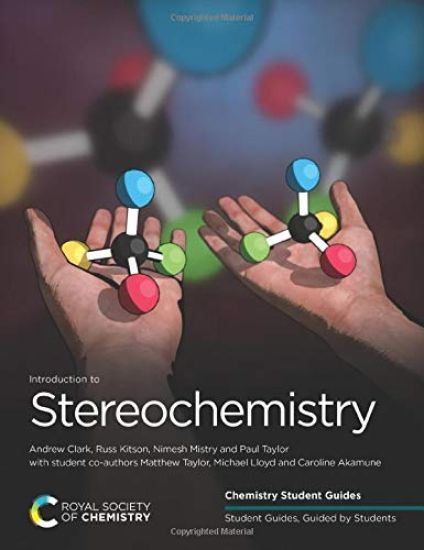
CHEMISTRY STUDENT GUIDES. GUIDED BY STUDENTS Why did the drug thalidomide cause birth defects? What is the chemical difference between sucrose and lactose in your food? Stereochemistry holds the answer and is essential to the understanding of the chemistry of life. Stereochemistry is an important concept that often causes confusion amongst students when they learn it for the first time. Unlike most other areas of chemistry, it requires the chemist to visualise molecules in 3D, which can be difficult. In this book we deal with tricky concepts like conformation and configuration, how to represent them accurately and how to use the correct terms to describe them in both organic and inorganic chemistry. We involved student's in the writing process to ensure we deal with areas that you find difficult, in an understandable language. With problems designed to focus on common errors and misconceptions, real life examples, and practical hands-on exercises coupled with visualisation tips, our intention is to give you the tools to become confident in stererochemistry. Complementing mainstream organic textbooks, or self-study, this book is for anyone who has struggled with describing alkenes as E or Z, assigning R and S absolute configurations, drawing Newman projections or chair representations of cyclohexanes, axial chirality, understanding the stereochemistry of octahedral metal complexes and indeed explaining complexities observed in NMR spectra. Chemistry Student Guides are written with current students involved at every stage, guiding the books towards the most challenging aspects of the topic. Student co-authors for Introduction to Stereochemistry are Caroline Akamune, Michael Lloyd and Matthew Taylor.
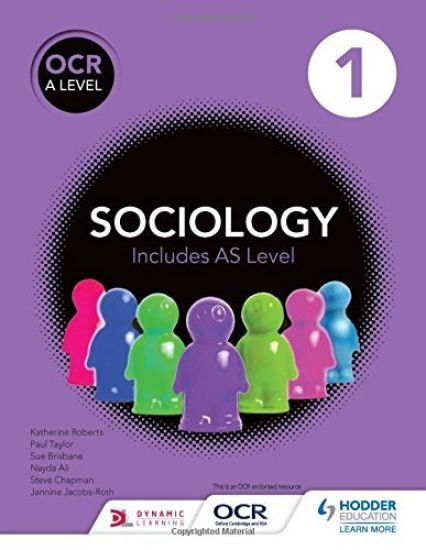
Exam Board: OCRLevel: A-levelSubject: SociologyFirst Teaching: September 2015First Exam: June 2016Build students' confidence to tackle the key themes of the 2015 OCR A-Level Sociology specification with this clear and accessible approach delivered by a team of leading subject authors.- Develop knowledge and understanding of key Year 1 concepts in a contemporary context, including globalisation and the digital social world- Strengthen essential sociological skills with engaging activities at every stage of the course- Reinforce learning and prepare for exams with practice and extension questions and exercises
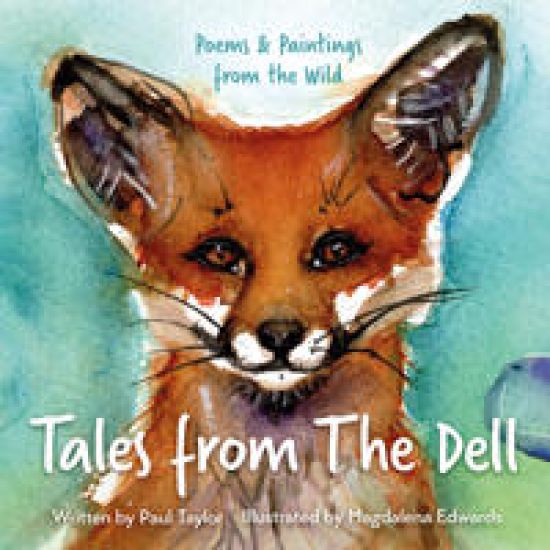
Tales from The Dell is a wonderfully heart-warming and charming collection of children’s animal stories, beautifully written and well suited for children and adults alike. The writing is complimented by beautiful original artwork of the characters. The author’s affinity for wildlife shines through, with the stories intended to educate youngsters about the behaviours and characteristics of some of our furry and feathered friends, as well as giving youngsters and adults alike great pleasure.
The Limits of European Integration (1983) examines the increasing resistance to the loss of authority to EEC institutions in the 1970s and 80s, and the resulting decline in the momentum towards European political integration. The limits which the member states imposed upon their involvement with the European community are assessed, and the various theories and models of integration are discussed.
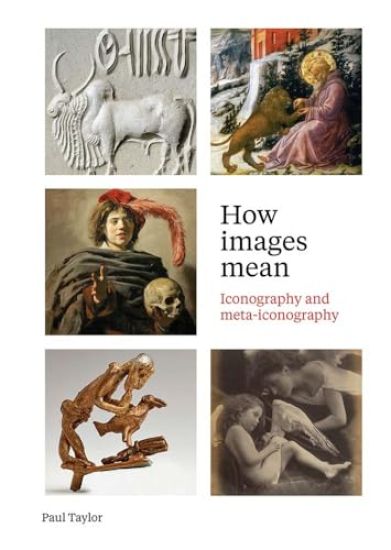
This groundbreaking study interrogates a rich and diverse repertoire of images from all over the world to answer the fundamental question: how are the meanings of images conveyed, recognized and accepted? Combining art history, anthropology, philosophy and linguistics, the book expands the field of traditional iconography, which explains what images mean, by introducing new, useful categories that enable us to understand how images mean (meta-iconography). In his study of iconography from a century ago Erwin Panofsky famously discussed what an “Australian bushman” might make of Leonardo’s Last Supper: though unaware of the religious story, the Aboriginal viewer would have known it was a picture of humans eating a meal together. Paul Taylor’s book argues that this gets the question the wrong way around. We only know the painting depicts people at supper if we know it represents a supper. It is through knowing the cultural context that we can interpret the contents of an image. Universal in scope and profoundly topical at a time when artificial intelligence is redefining our visual horizon, this book represents a resource for scholars in a variety of fields and a thought-provoking read for all those interested in art. Published by Paul Holberton Publishing
The International Library of Politics and Comparative Government is an essential reference series which compiles the most significant journal articles in comparative politics over the past 30 years. It makes readily accessible to teachers, researchers and students, an extensive range of essays which, together, provide an indispensable basis for understanding both the established conceptual terrain and the new ground being broken in the rapidly changing field of comparative political analysis. These two volumes include articles which examine the system, the structure, the function and the future of the United Nations.
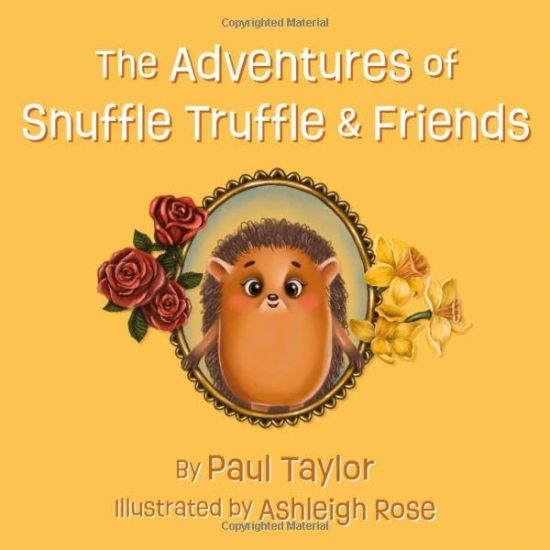
Paul’s love for educating people and his affinity with wildlife shine through in this collection of rhyming stories. Through them, he seeks to educate others as to the behaviours and characteristics of some of our furry/feathered friends. ‘a most charming and heart-warming collection of children’s animal stories, beautifully written and very well suited for a young audience.’ ‘….. the dynamic, engaging, and accessible language and a playful rhyming scheme make for a lively read equally well suited to being enjoyed alone or shared aloud with others.’
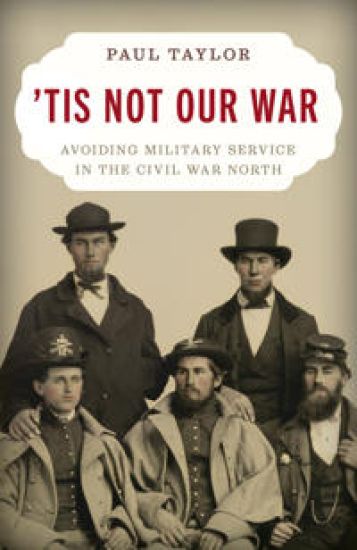
James McPherson’s classic book For Cause & Comrades explained “why men fought in the Civil War”—and spurred countless other historians to ask and attempt to answer the same question. But few have explored why men did not fight. That’s the question Paul Taylor answers in this groundbreaking Civil War history that examines the reasons why at least 60 percent of service-eligible men in the North chose not to serve and why, to some extent, their communities allowed them to do so. Didthese other men not feel the same patriotic impulses as their fellow citizens who rushed to the enlistment office? Did they not believe in the sanctity of the Union? Was freeing men held in chains under chattel slavery not a righteous moral crusade? And why did some soldiers come to regret their enlistment and try to leave the military?’Tis Not Our War answers these questions by focusing on the thoughts, opinions, and beliefs of average civilians and soldiers. Taylor digs deep into primary sources—newspapers, diaries, letters, archival manuscripts, military reports, and published memoirs—to paint a vivid and richly complex portrait of men who questioned military service in the Civil War and to show that the North was never as unified in support of the war as portrayed in much of America’s collective memory. This book adds to our understanding of the Civil War and the men who fought—and did not fight—in it.
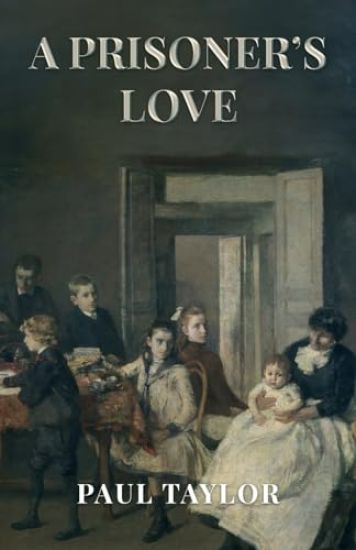
SARAH and ROBERT who are brother and sister were ravenous. They saw the window of a house slightly ajar. ROBERT, who was aged 14, climbed through the window to see if he could find some food. Sarah who was just 16, protested to ROBERT not to do it but he was caught stealing. The police were called and both were arrested. At The Old Bailey Courthouse in London, ROBERT was sentenced to be hung. SARAH was sent to Australia to serve her prison sentence. That's where the adventure started.All alone and frightened, SARAH goes on to open an orphanage for children in Sydney Australia.
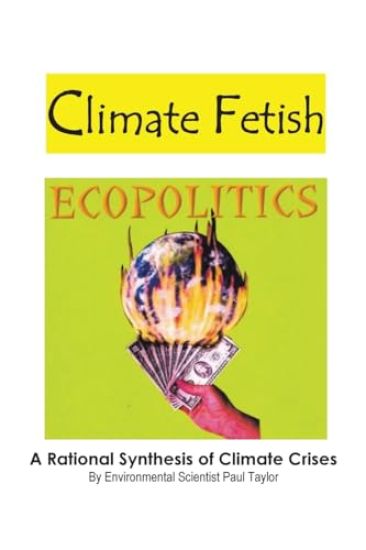
The reader is invited to consume this work of nonfiction with a mind open to the new idea that global environmentalism has devolved into Ecopolitics as a partisan political special interest in the 21st Century. Sadly, consensus science that solves real environmental problems has been replaced with pernicious political propaganda and demagoguery. And, the cost-benefit analyses necessary for prioritizing and solving environmental problems goes unmentioned in the issues of global climate change - unmentioned because such analyses are incalculable in today's knowledge of climate science. This book is a rational synthesis of the massive, and often contradictory, volumes of information on global warming and climate change. This book cites numerous contemporary and credible experts on the issues of climate science and climate policy for a balanced assessment. The Author has dedicated his life to understanding and communicating the complexities, interrelationships, politics, sciences, economics and global significance manifested in environmental matters. Mr. Taylor has authored two prior book: "Green Gone Wrong" and "Climate of Ecopolitics."