Kirjojen hintavertailu. Mukana 12 595 353 kirjaa ja 12 kauppaa.

Kirjailija

Paul Veyne

Kirjat ja teokset yhdessä paikassa: 16 kirjaa, julkaisuja vuosilta 1987-2025, suosituimpien joukossa Als unsere Welt christlich wurde (312 - 394). Vertaile teosten hintoja ja tarkista saatavuus suomalaisista kirjakaupoista.

16 kirjaa

Kirjojen julkaisuhaarukka 1987-2025.

Palmyra

Palmyra

Paul Veyne

Pax
2025
sidottu
Ruinbyen Palmyra, som ligger i dagens Syria, er kanskje det rikeste arkeologiske funnstedet fra gresk-romersk tid etter Pompeii ved Napoli og ruinbyen Efesos ved kysten av Tyrkia. Rundt år 200 etter vår tidsregning tilhørte byen det enorme romerske imperiet, som nettopp da opplevde sin storhetstid med en utstrekning fra Andalusia til Eufrat og fra Marokko til Syria. Under den nylige krigen i Syria ble Palmyra utsatt for omfattende plyndring og skadeverk. Aller verst i 2015 og 2016 da IS i to omganger inntok byen.«Da Palmyra ble ødelagt av terrororganisasjonen IS, ble en hel vegg i vår kultur og mitt eget forskningsfelt brutalt sprengt i biter. … Jeg anser det som min plikt, både som tidligere professor og som menneske, å gi uttrykk for min forferdelse i møte med denne ubegripelige ødeleggelsen samt å tegne et portrett av Palmyras forgangne storhet, som man nå bare kan bli kjent med gjennom bøker.»—Paul Veyne
Istorija chastnoj zhizni. Tom 1. Ot rimskoj imperii do nachala vtorogo tysjacheletija

Istorija chastnoj zhizni. Tom 1. Ot rimskoj imperii do nachala vtorogo tysjacheletija

Yvon Thebert; Peter Brown; Paul Veyne

Novoe literaturnoe obozrenie
2022
sidottu
Pjatitomnaja "Istorija chastnoj zhizni" - vseobemljuschee issledovanie, sozdannoe v 1980-e gody gruppoj frantsuzskikh, britanskikh i amerikanskikh uchenykh pod rukovodstvom proslavlennykh istorikov iz Shkoly "Annalov" - Filippa Aresa i Zhorzha Djubi. Pjatitomnik okhvatyvaet vsju istoriju Zapada s Antichnosti do kontsa XX veka. V pervom tome - chastnaja zhizn Drevnego Rima, srednevekovoj Evropy, Vizantii: sistemy sotsialnykh vzaimootnoshenij, razitelno ne pokhozhikh na izvestnye nam. Analiz institutov semi i rabovladenija, religii i zakonotvorchestva, byta i arkhitektury pozvoljaet gluboko ponjat transformatsii kak uklada chastnoj zhizni, tak i evropejskoj mentalnosti, a takzhe vysvechivaet vechnyj konflikt chastnogo i obschestvennogo. Perevod sdelan po dopolnennomu izdaniju 1999 goda.5-e izdanie.
Palmyra illustreret

Palmyra illustreret

Paul Veyne

Den Franske Bogcafés Forlag
2021
sidottu
Paul Veyne rejser med sin bog en fascinerende og enestående gravsten over en næsten forsvunden by og tegner en modvægt til IS og deres destruktive terrorisme, der tilbage i 2015 ødelagde store dele af den unikke ruinby.Bogen er rigt illustreret."I mit professionelle virke inden for studiet af den græsk-romerske antikke verden er jeg hele tiden stødt på Palmyra. Efter Islamisk Stats ødelæggelse af Palmyra er en hel side af vores kultur og genstanden for mine studier brutalt blevet sprængt i stumper og stykker.Hvorfor hærge nogle uskadelige mindesmærker fra en længst forsvunden tid (eller sætte dele af dem til salg)? Hvorfor skulle de ødelægge dette Palmyra, som var optaget på UNESCOs verdensarvsliste? Og hvorfor alle disse massakrer, heriblandt afstraffelsen, torturen og hals-hugningen i 2015 af Palmyra-arkæologen Khaled al-Assaad, som denne bog er tilegnet?Trods min høje alder var det min pligt som tidligere professor og som almindeligt menneske at udtrykke min bestyrtelse over denne uforståelige ødelæggelse og tegne et billede af Palmyras forgangne pragt, som man kun kan stifte bekendtskab med i bøgerne nu". PAUL VEYNE
Palmyra

Palmyra

Paul Veyne

University of Chicago Press
2018
pokkari
Located northeast of Damascus, in an oasis surrounded by palms and two mountain ranges, the ancient city of Palmyra has the aura of myth. According to the Bible, the city was built by Solomon. Regardless of its actual origins, it was an influential city, serving for centuries as a caravan stop for those crossing the Syrian Desert. It became a Roman province under Tiberius and served as the most powerful commercial center in the Middle East between the first and the third centuries CE. But when the citizens of Palmyra tried to break away from Rome, they were defeated, marking the end of the city's prosperity. The magnificent monuments from that earlier era of wealth, a resplendent blend of Greco-Roman architecture and local influences, stretched over miles and were among the most significant buildings of the ancient world-until the arrival of ISIS. In 2015, ISIS fought to gain control of the area because it was home to a prison where many members of the outlawed Muslim Brotherhood had been held, and ISIS went on to systematically destroy the city and murder many of its inhabitants, including the archaeologist Khaled al-Asaad, the antiquities director of Palymra. In this concise and elegiac book, Paul Veyne, one of Palymra's most important experts, offers a beautiful and moving look at the history of this significant lost city and why it was-and still is-important. Today, we can appreciate the majesty of Palmyra only through its pictures and stories, and this book offers a beautifully illustrated memorial that also serves as a lasting guide to a cultural treasure.
Palmyra

Palmyra

Paul Veyne

Den Franske Bogcafés Forlag
2017
nidottu
"I mit professionelle virke inden for studiet af den græsk-romerske antikke verden er jeg hele tiden stødt på Palmyra. Efter Islamisk Stats ødelæggelse af Palmyra er en hel side af vores kultur og genstanden for mine studier brutalt blevet sprængt i stumper og stykker. Hvorfor hærge nogle uskadelige mindesmærker fra en længst forsvunden tid (eller sætte dele af dem til salg)? Hvorfor skulle de ødelægge dette Palmyra, som var optaget på UNESCOs verdensarvsliste? Og hvorfor alle disse massakrer, heriblandt afstraffelsen, torturen og halshugningen i 2015 af Palmyra-arkæologen Khaled al-Assaad, som denne bog er tilegnet?"
Palmyra

Palmyra

Paul Veyne

University of Chicago Press
2017
sidottu
Located northeast of Damascus, in an oasis surrounded by palms and two mountain ranges, the ancient city of Palmyra has the aura of myth. According to the Bible, the city was built by Solomon. Regardless of its actual origins, it was an influential city, serving for centuries as a caravan stop for those crossing the Syrian Desert. It became a Roman province under Tiberius and served as the most powerful commercial center in the Middle East between the first and the third centuries CE. But when the citizens of Palmyra tried to break away from Rome, they were defeated, marking the end of the city's prosperity. The magnificent monuments from that earlier era of wealth, a resplendent blend of Greco-Roman architecture and local influences, stretched over miles and were among the most significant buildings of the ancient world until the arrival of ISIS. In 2015, ISIS fought to gain control of the area because it was home to a prison where many members of the outlawed Muslim Brotherhood had been held, and ISIS went on to systematically destroy the city and murder many of its inhabitants, including the archaeologist Khaled al-Asaad, the antiquities director of Palymra. In this concise and elegiac book, Paul Veyne, one of Palymra's most important experts, offers a beautiful and moving look at the history of this significant lost city and why it was and still is important. Today, we can appreciate the majesty of Palmyra only through its pictures and stories, and this book offers a beautifully illustrated memorial that also serves as a lasting guide to a cultural treasure.
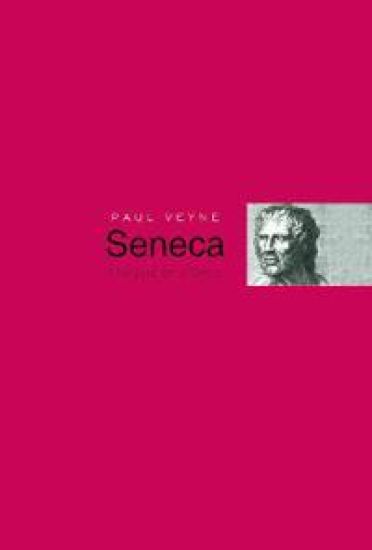
Seneca

Seneca

Paul Veyne

Routledge
2014
nidottu
The great stoic philosopher, playwright and Roman statesman of the first century, Lucius Annaeus Seneca, exercised enormous influence for nearly fifteen years as tutor and political advisor to the Emperor Nero until forced to commit suicide by his former pupil. In the hands of Annales School historian Paul Veyne, the dramatic story of his life - one of power, politics and intrigue - becomes a mirror of the time in which he lived. Seneca's philosophical writings remain our core source for stoic thought, and their immense influence continues to be felt. Veyne's authoritative exposition of stoicism and the interconnections between Seneca's life and thought, make this book ideal reading for anyone interested in Roman history and philosophy. This compact and compelling book is a brilliant introduction to the life and philosophy of one of the ancient world's greatest thinkers by one of the great historians of our own time.
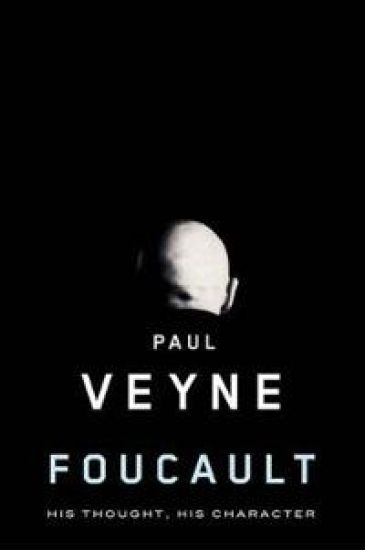
Foucault

Foucault

Paul Veyne

Polity Press
2010
sidottu
Michel Foucault and Paul Veyne: the philosopher and the historian. Two major figures in the world of ideas, resisting all attempts at categorization. Two timeless thinkers who have long walked and fought together. In this short book Paul Veyne offers a fresh portrait of his friend and relaunches the debate about his ideas and legacy. ‘Foucault is not who you think he is’, writes Veyne; he stood neither on the left nor on the right and was frequently disowned by both. He was not so much a structuralist as a sceptic, an empiricist disciple of Montaigne, who never ceased in his work to reflect on 'truth games', on singular, constructed truths that belonged to their own time. A unique testimony by a scholar who knew Foucault well, this book succeeds brilliantly in grasping the core of his thought and in stripping away the confusions and misunderstandings that have so often characterized the interpretation of Foucault and his work.
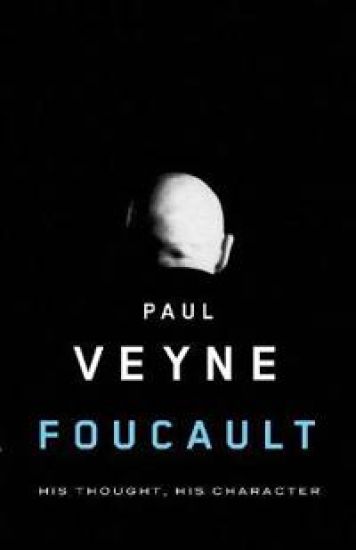
Foucault

Foucault

Paul Veyne

Polity Press
2010
nidottu
Michel Foucault and Paul Veyne: the philosopher and the historian. Two major figures in the world of ideas, resisting all attempts at categorization. Two timeless thinkers who have long walked and fought together. In this short book Paul Veyne offers a fresh portrait of his friend and relaunches the debate about his ideas and legacy. ‘Foucault is not who you think he is’, writes Veyne; he stood neither on the left nor on the right and was frequently disowned by both. He was not so much a structuralist as a sceptic, an empiricist disciple of Montaigne, who never ceased in his work to reflect on 'truth games', on singular, constructed truths that belonged to their own time. A unique testimony by a scholar who knew Foucault well, this book succeeds brilliantly in grasping the core of his thought and in stripping away the confusions and misunderstandings that have so often characterized the interpretation of Foucault and his work.
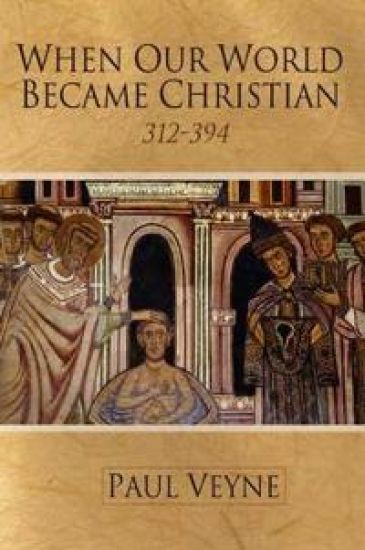
When Our World Became Christian

When Our World Became Christian

Paul Veyne

Polity Press
2010
sidottu
This short book by one of France's leading historians deals with a big question: how was it that Christianity, that masterpiece of religious invention, managed, between 300 and 400 AD, to impose itself upon the whole of the Western world? In his erudite and inimitable way, Paul Veyne suggests three possible explanations.Was it because a Roman emperor, Constantine, who was master of the Western world at the time, became a sincere convert to Christianity and set out to Christianize the whole world in order to save it?Or was it because, as a great emperor, Constantine needed a great religion, and in comparison to the pagan gods, Christianity, despite being a minority sect, was an avant-garde religion unlike anything seen before?Or was it because Constantine limited himself to helping the Christians set up their Church, a network of bishoprics that covered the vast Roman Empire, and that gradually and with little overt resistance the pagan masses embraced Christianity as their own religion?In the course of deciding between these explanations Paul Veyne sheds fresh light on one of the most profound transformations that shaped the modern world - the Christianization of the West. A bestseller in France, this book will appeal to a wide readership interested in history, religion and the rise of the modern world.
When Our World Became Christian

When Our World Became Christian

Paul Veyne

Polity Press
2010
nidottu
This short book by one of France's leading historians deals with a big question: how was it that Christianity, that masterpiece of religious invention, managed, between 300 and 400 AD, to impose itself upon the whole of the Western world? In his erudite and inimitable way, Paul Veyne suggests three possible explanations.Was it because a Roman emperor, Constantine, who was master of the Western world at the time, became a sincere convert to Christianity and set out to Christianize the whole world in order to save it?Or was it because, as a great emperor, Constantine needed a great religion, and in comparison to the pagan gods, Christianity, despite being a minority sect, was an avant-garde religion unlike anything seen before?Or was it because Constantine limited himself to helping the Christians set up their Church, a network of bishoprics that covered the vast Roman Empire, and that gradually and with little overt resistance the pagan masses embraced Christianity as their own religion?In the course of deciding between these explanations Paul Veyne sheds fresh light on one of the most profound transformations that shaped the modern world - the Christianization of the West. A bestseller in France, this book will appeal to a wide readership interested in history, religion and the rise of the modern world.
Seneca

Seneca

Paul Veyne

Routledge
2002
sidottu
The great stoic philosopher, playwright and Roman statesman of the first century, Lucius Annaeus Seneca, exercised enormous influence for nearly fifteen years as tutor and political advisor to the Emperor Nero until forced to commit suicide by his former pupil. In the hands of Annales School historian Paul Veyne, the dramatic story of his life - one of power, politics and intrigue - becomes a mirror of the time in which he lived. Seneca's philosophical writings remain our core source for stoic thought, and their immense influence continues to be felt. Veyne's authoritative exposition of stoicism and the interconnections between Seneca's life and thought, make this book ideal reading for anyone interested in Roman history and philosophy. This compact and compelling book is a brilliant introduction to the life and philosophy of one of the ancient world's greatest thinkers by one of the great historians of our own time.
Did the Greeks Believe in Their Myths? – An Essay on the Constitutive Imagination
"[Veyne's] present book has some kinship with his sprightly theoretical work Comment on ecrit l'histoire; and he declares that its aim was to provoke reflection on the way our conception of truth is built up and changes over the centuries. . . . The style is brilliant and exhilarating."—Jasper Griffin, Times Literary Supplement