Kirjojen hintavertailu. Mukana 12 390 323 kirjaa ja 12 kauppaa.

Kirjailija

Paula Nicolson

Kirjat ja teokset yhdessä paikassa: 15 kirjaa, julkaisuja vuosilta 1998-2022, suosituimpien joukossa Genealogy, Psychology and Identity. Vertaile teosten hintoja ja tarkista saatavuus suomalaisista kirjakaupoista.

15 kirjaa

Kirjojen julkaisuhaarukka 1998-2022.

Genealogy, Psychology and Therapy

Genealogy, Psychology and Therapy

Paula Nicolson

TAYLOR FRANCIS LTD
2022
sidottu
Fully revised and updated, Genealogy, Psychology and Therapy highlights the importance of genealogy in the development of identity, and the therapeutic potential of family history in cultivating wellbeing. The popularity of amateur genealogy and family history has soared in recent times. We will never know any of the people we discover from our histories in person, but for several reasons, we recognize that their lives shaped ours. Key approaches to identity and relationships lend clues to our own lives but also to what psychosocial factors run across generations. Attachment and abandonment, trusting, being let down, becoming independent, migration, health and money, all resonate with the psychological experiences that define the outlooks, personalities and the ways that those who came before us related to others. This new edition builds on the original book, Genealogy, Psychology, and Identity, by highlighting the work of Erik Erikson along with studies of the quality of attachment, historical social conditions especially war, forced migration, health inequalities and financial uncertainty, to enable a more detailed understanding of trauma and its long shadow, and to focus on how genealogy informs our identities and emotional health status, exploring the transmission of trauma across generations. The intergenerational transmission of trauma is examined using analysis of real-life family examples, alongside an assessment of a narrative therapy approach to healing. The book expands on how psychological practices together with genealogical evidence may impart resilience and emotional repair, and develops the discussion of the psychological methods by which we interconnect in a reflective way with material from archival databases, family stories and photographs and other sources including DNA. Showing how people can connect with archival material, using documents and texts to expand their knowledge and understanding of the psychosocial experiences of their ancestors, this book will be of interest to those researching their own family tree, genealogists and counsellors, as well as students and researchers in social psychology and social history.
Genealogy, Psychology and Therapy

Genealogy, Psychology and Therapy

Paula Nicolson

TAYLOR FRANCIS LTD
2022
nidottu
Fully revised and updated, Genealogy, Psychology and Therapy highlights the importance of genealogy in the development of identity, and the therapeutic potential of family history in cultivating wellbeing. The popularity of amateur genealogy and family history has soared in recent times. We will never know any of the people we discover from our histories in person, but for several reasons, we recognize that their lives shaped ours. Key approaches to identity and relationships lend clues to our own lives but also to what psychosocial factors run across generations. Attachment and abandonment, trusting, being let down, becoming independent, migration, health and money, all resonate with the psychological experiences that define the outlooks, personalities and the ways that those who came before us related to others. This new edition builds on the original book, Genealogy, Psychology, and Identity, by highlighting the work of Erik Erikson along with studies of the quality of attachment, historical social conditions especially war, forced migration, health inequalities and financial uncertainty, to enable a more detailed understanding of trauma and its long shadow, and to focus on how genealogy informs our identities and emotional health status, exploring the transmission of trauma across generations. The intergenerational transmission of trauma is examined using analysis of real-life family examples, alongside an assessment of a narrative therapy approach to healing. The book expands on how psychological practices together with genealogical evidence may impart resilience and emotional repair, and develops the discussion of the psychological methods by which we interconnect in a reflective way with material from archival databases, family stories and photographs and other sources including DNA. Showing how people can connect with archival material, using documents and texts to expand their knowledge and understanding of the psychosocial experiences of their ancestors, this book will be of interest to those researching their own family tree, genealogists and counsellors, as well as students and researchers in social psychology and social history.
Believe Me

Believe Me

Paula Nicolson

Independently Published
2019
nidottu
Anna has buried the memory of an horrendous rape when she was a student. Now she is a successful psychology professor. Suddenly her world collapses when she discovers that the man who raped her is going to be her new boss and he is trying to reconnect. This is a story of envy, betrayal and murder in the Ivory Tower. A campus noir novel.
Domestic Violence and Psychology

Domestic Violence and Psychology

Paula Nicolson

CRC Press Inc
2019
sidottu
Despite changes to laws and policies across most western democracies intended to combat violence to women, intimate partner violence and abuse (IPVA) remains discouragingly commonplace. Domestic Violence and Psychology: Critical Perspectives on Intimate Partner Violence and Abuse showcases women’s harrowing stories of living with and leaving violent partners, offering a psychological perspective on domestic violence and developing a theoretical framework for examining the context, intentions and experiences in the lives of people who experience abuse and abuse themselves. Nicolson provides an analysis of survivors’ real-life stories, and thoughts about IPVA. The attitudes of the general public and health and social care professionals are also presented and discussed. The theoretical perspective employs three levels of evidence – the material (context), discursive (explanations) and intrapsychic (emotional). Domestic Violence and Psychology is divided into three parts accordingly, engaging qualitative data from interviews and quantitative data from surveys to illustrate these theoretical perspectives. Although many pro-feminist sociologists and activists firmly believe that any attempt to explain domestic violence potentially condones it, this book takes up the challenge to make a compelling case demonstrating how we need to widen understanding of the psychology of survivors and their intimate relationships if we are to defeat IPVA.The new edition has been updated to include the latest developments in IPVA research and practice, and in particular examines the impact of a violent and abusive family life on all members, including children. This is essential reading for students, academics and professionals interested in domestic abuse, as well as professionals and practitioners, including psychologists, social workers, the police, prison officers, probation staff, policy makers, and charity workers.
Domestic Violence and Psychology

Domestic Violence and Psychology

Paula Nicolson

CRC Press Inc
2019
nidottu
Despite changes to laws and policies across most western democracies intended to combat violence to women, intimate partner violence and abuse (IPVA) remains discouragingly commonplace. Domestic Violence and Psychology: Critical Perspectives on Intimate Partner Violence and Abuse showcases women’s harrowing stories of living with and leaving violent partners, offering a psychological perspective on domestic violence and developing a theoretical framework for examining the context, intentions and experiences in the lives of people who experience abuse and abuse themselves. Nicolson provides an analysis of survivors’ real-life stories, and thoughts about IPVA. The attitudes of the general public and health and social care professionals are also presented and discussed. The theoretical perspective employs three levels of evidence – the material (context), discursive (explanations) and intrapsychic (emotional). Domestic Violence and Psychology is divided into three parts accordingly, engaging qualitative data from interviews and quantitative data from surveys to illustrate these theoretical perspectives. Although many pro-feminist sociologists and activists firmly believe that any attempt to explain domestic violence potentially condones it, this book takes up the challenge to make a compelling case demonstrating how we need to widen understanding of the psychology of survivors and their intimate relationships if we are to defeat IPVA.The new edition has been updated to include the latest developments in IPVA research and practice, and in particular examines the impact of a violent and abusive family life on all members, including children. This is essential reading for students, academics and professionals interested in domestic abuse, as well as professionals and practitioners, including psychologists, social workers, the police, prison officers, probation staff, policy makers, and charity workers.
Genealogy, Psychology and Identity

Genealogy, Psychology and Identity

Paula Nicolson

Routledge
2016
sidottu
The popularity of amateur genealogy and family history has soared in recent times. Genealogy, Psychology and Identity explores this popular international pastime and offers reasons why it informs our sense of who we are, and our place in both contemporary culture and historical context. We will never know any of the people we discover from our histories in person, but for several reasons we recognize that their lives shaped ours. Paula Nicolson draws on her experiences tracing her own family history to show how people can connect with archival material, using documents and texts to expand their knowledge and understanding of the psychosocial experiences of their ancestors. Key approaches to identity and relationships lend clues to our own lives but also to what psychosocial factors run across generations. Attachment and abandonment, trusting, being let down, becoming independent, migration, health and money, all resonate with the psychological experiences that define the outlooks, personalities and the ways that those who came before us related to others. Nicolson highlights the importance of genealogy in the development of identity and the therapeutic potential of family history in cultivating well-being that will be of interest to those researching their own family tree, genealogists and counsellors, as well as students and researchers in social psychology and social history.
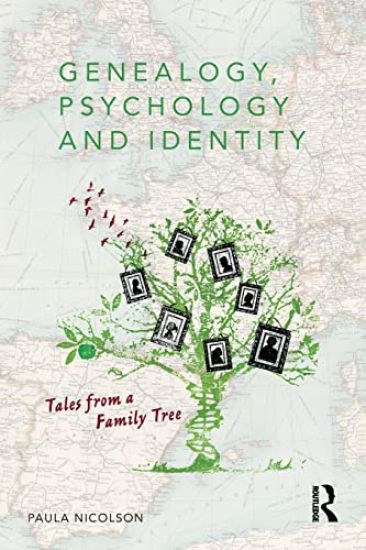
Genealogy, Psychology and Identity

Genealogy, Psychology and Identity

Paula Nicolson

Routledge
2016
nidottu
The popularity of amateur genealogy and family history has soared in recent times. Genealogy, Psychology and Identity explores this popular international pastime and offers reasons why it informs our sense of who we are, and our place in both contemporary culture and historical context. We will never know any of the people we discover from our histories in person, but for several reasons we recognize that their lives shaped ours. Paula Nicolson draws on her experiences tracing her own family history to show how people can connect with archival material, using documents and texts to expand their knowledge and understanding of the psychosocial experiences of their ancestors.Key approaches to identity and relationships lend clues to our own lives but also to what psychosocial factors run across generations. Attachment and abandonment, trusting, being let down, becoming independent, migration, health and money, all resonate with the psychological experiences that define the outlooks, personalities and the ways that those who came before us related to others.Nicolson highlights the importance of genealogy in the development of identity and the therapeutic potential of family history in cultivating well-being that will be of interest to those researching their own family tree, genealogists and counsellors, as well as students and researchers in social psychology and social history.

Gender, Power and Organization

Gender, Power and Organization

Paula Nicolson

Routledge
2015
nidottu
Work organizations are a major site of gender politics for professional women and men, and although there are more women in senior positions than ever before, these increased opportunities have not been gained without psychological consequences. Evidence-based and theoretically driven, the new edition of Gender, Power and Organization raises important questions about gender and power in the workplace, and the psychology of women’s advancement. Twenty years on from the first edition, it re-examines gender relations at work and asks why, despite many years of feminist critique and action, we are able to understand the dynamics of the workplace but fail to make them more representative. The struggles women face in professional and public life remain intense, not least because many men experience an increasing sense of threat to their long-term aspirations and professional positions.Using examples from recent research and the author's own consultancy experience, this important volume offers a fresh exploration of the psychology of gender and power at work, from the development of gender identities and roles, to explanations of bullying and sexual harassment in the organization. It offers an accessible survey of the subject for professional managers and students of leadership, psychology, management, sociology, gender, and women’s studies.
Gender, Power and Organization

Gender, Power and Organization

Paula Nicolson

Routledge
2015
sidottu
Work organizations are a major site of gender politics for professional women and men, and although there are more women in senior positions than ever before, these increased opportunities have not been gained without psychological consequences. Evidence-based and theoretically driven, the new edition of Gender, Power and Organization raises important questions about gender and power in the workplace, and the psychology of women’s advancement. Twenty years on from the first edition, it re-examines gender relations at work and asks why, despite many years of feminist critique and action, we are able to understand the dynamics of the workplace but fail to make them more representative. The struggles women face in professional and public life remain intense, not least because many men experience an increasing sense of threat to their long-term aspirations and professional positions.Using examples from recent research and the author's own consultancy experience, this important volume offers a fresh exploration of the psychology of gender and power at work, from the development of gender identities and roles, to explanations of bullying and sexual harassment in the organization. It offers an accessible survey of the subject for professional managers and students of leadership, psychology, management, sociology, gender, and women’s studies.
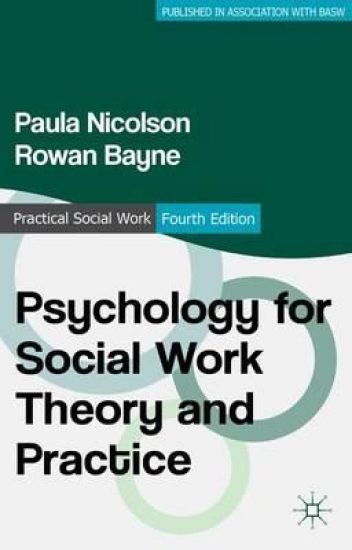
Psychology for Social Work Theory and Practice

Psychology for Social Work Theory and Practice

Paula Nicolson; Rowan Bayne

Red Globe Press
2014
nidottu
This new edition from a trusted author team bridges the gap between psychological theory and social work practice. Revisited and re-structured to reflect the changing social work context, it provides an authoritative introduction to the key ideas, skills and research from psychology and highlights their role within effective social work practice. Whether you are a student or a practitioner of social work, this book is a vital and practical resource that will enhance your knowledge, skills and practice. New to this Edition: - Includes content which is of relevance across a number of social work modules - Contains new chapters on reflection and the psychological context of social work organisations - A range of new pedagogical features that support the practical application of the book
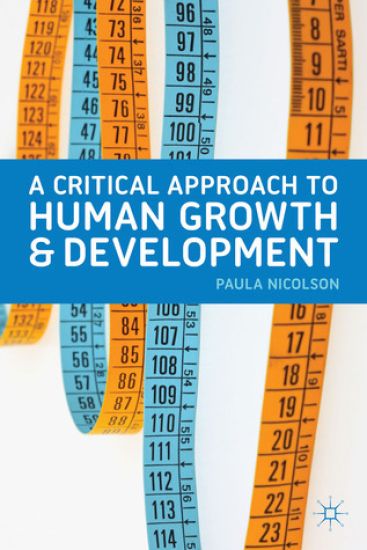
A Critical Approach to Human Growth and Development
What does it mean to be human? This critical text from a well-respected author captures and interrogates the many models which have been developed to explore and explain human behaviour. Informed by sociological, psychological and biological perspectives, the book plots the key stages of the life course from childhood through to older age.
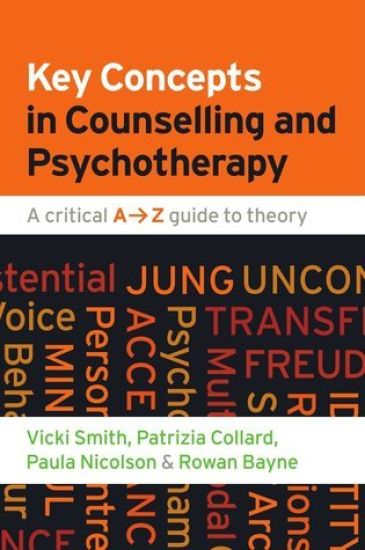
Key Concepts in Counselling and Psychotherapy: A Critical A-Z Guide to Theory

Key Concepts in Counselling and Psychotherapy: A Critical A-Z Guide to Theory

Vicki Smith; Patrizia Collard; Paula Nicolson; Rowan Bayne

Open University Press
2012
nidottu
“This book provides a very good introduction to the key concepts and theories that inform and frame the current psychotherapeutic and counselling landscape. Each author has written on a selection of basic concepts as they are approached in their preferred therapeutic modality, resulting in an exciting and inclusive overview of both old and contemporary psychotherapeutic thought. In addition, each author is mindful of the importance of a critical appraisal of the various concepts and theories. Thus, this book will be extremely useful both for trainees and practitioners.” Dr Anastasios Gaitanidis, Senior Lecturer, University of Roehampton, London, UK“As well as being an invaluable source of knowledge about all aspects of counselling and psychotherapy, this book is a real pleasure to read. The authors have been able to capture the essence of ideas, traditions and key figures in a way that is accessible and a consistent source of delight and illumination. Highly recommended for anyone wishing to expand their psychotherapeutic horizons.”John McLeod, Emeritus Professor of Counselling, University of Abertay Dundee, UK“This book does what it says on the tin, it highlights the key concepts and theories in the field of counselling and psychotherapy. It is a systematic and encyclopaedic voyage of all the central constructs in the field. It is very well written, snappy and thorough, but more important, it serves a vital need of putting in one place all the theories and concepts needed by anyone interested in counselling and psychotherapy.”Cary L. Cooper, CBE, Professor of Organizational Psychology and Health, Lancaster University, UK and President of BACP“This is an invaluable guide for anyone wanting easily accessible information about counselling theory and practice. It will be as useful to trainees sitting as counsellors, as to experienced practitioners wanting to update their knowledge on the latest thinking.”Tim Bond, University of Bristol, UKThis helpful book offers a concise overview of core concepts within the four dominant approaches to counselling and psychotherapy: psychodynamic, humanistic-existential, cognitive behavioural and integrative. The book aims to assist you in developing your critical thinking and essay writing skills and includes:Over 140 entries, each between 500 and 1200 wordsCritical and engaging discussions of core conceptsBiographical sketches of leading theorists, including: Freud, Jung and RogersUsing the popular alphabetical format, Key Concepts in Counselling and Psychotherapy is an ideal first source for students with an essay on counselling theory to write, a case study to analyse, a belief or assumption to challenge, or a question to explore. It will also appeal to practitioners or academics wanting to refresh their knowledge of theory and research.
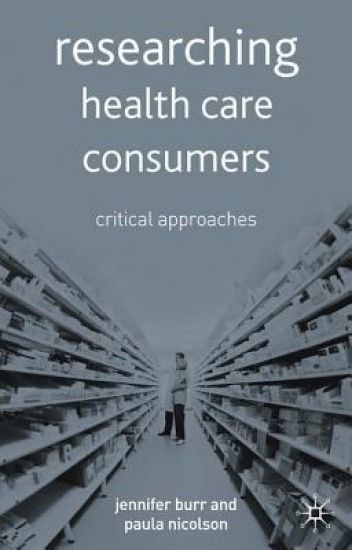
Researching Health Care 'Consumers'

Researching Health Care 'Consumers'

Jennifer Burr; Paula Nicolson

Red Globe Press
2004
nidottu
The NHS continues to undergo a series of reforms with an increasing emphasis on user 'choice' and 'empowerment' of health service users, with the requirement that all aspects of health care operate from an 'evidence' or 'knowledge' base. This text presents a variety of research methods that have been used to elicit users' views of health care, including health forums, public opinion surveys and focus groups. It provides a critical overview of key contemporary research issues and methodologies, and will be a valuable resource for anyone doing research with consumers of health services.
Having It All?

Having It All?

Paula Nicolson

John Wiley Sons Inc
2002
nidottu
Women today often feel pressured to be good at everything: having exciting careers as well being the mainstay of family and social life. Indeed, the media holds up famous women like Madonna as though they were models towards which women could strive. This title concerns topics in this field.
Post-Natal Depression

Post-Natal Depression

Paula Nicolson

Routledge
1998
nidottu
Post-Natal Depression challenges the expectation that it is normal to be a 'happy mother'. It provides a radical critique of the traditional medical and social science explanations of 'post natal depression' by supplying a systematic feminist psychological analysis of women's experiences following childbirth. Paula Nicolson argues that, far from it being an abnormal, undesirable, pathological condition, it is a normal, healthy response to a series of losses.Post Natal Depression makes an important contribution to the psychology of women and feminist research and will be of interst to psychologists, social scientists, nurses and doctors.