Kirjojen hintavertailu. Mukana 12 595 353 kirjaa ja 12 kauppaa.
Kirjailija
Pauline Weetman
Kirjat ja teokset yhdessä paikassa: 5 kirjaa, julkaisuja vuosilta 2020-2026, suosituimpien joukossa MyLab Accounting, Financial and Management Accounting eText, and Financial and Management Accounting print textbook. Vertaile teosten hintoja ja tarkista saatavuus suomalaisista kirjakaupoista.
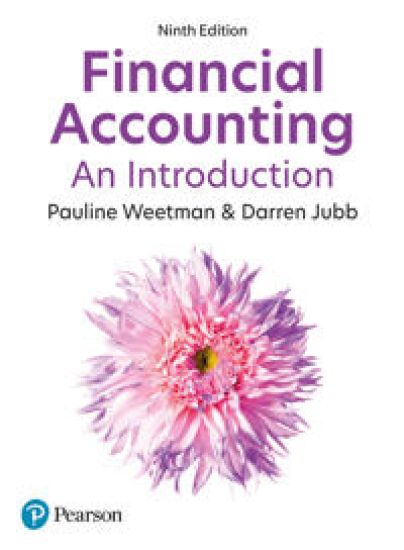
Gain a deeper understanding of the main Financial Accounting principles with a core textbook on the subject. Financial Accounting: An Introduction, 9th edition by Pauline Weetman and Darren Jubb will offer you the resources you need to explore and acquire a deeper understanding of a wide range of concepts around the discipline. Written by expert teachers in the field, this text is ideal for undergraduates in Business Studies degrees, Undergraduates in Accounting courses, students studying Accounting for MBA and Postgraduate courses, and Professional courses introducing Accounting for the first time. This edition focuses on retaining all the features that have contributed to its popularity, including its focus on the accounting equations, a clear and accessible writing style, a frequent short activities throughout the book, and the extensive use of real-world case studies, offering you a deeper understanding of the topics. Key features: Definitions and terminology aligned with the 2018 IASB Conceptual Framework.Fully up-to-date with the International Financial Reporting Standards (IFRS).New case studies provide examples from real-world companies.Activities aligned to each chapter section, encouraging students to explore and consider issues from different angles.Experience-driven conversations throughout the book between two managers expanded for this edition and updated with an even greater practical emphasis.Extensive coverage of fair value is provided throughout the text.Exploration of the Strategic Report and Directors' Report.Focus on specific knowledge outcomes with end-of-chapter self-evaluations.Questions testing your understanding are graded according to difficulty. With a strong emphasis on the 2018 Conceptual Framework of the International Accounting Standards Board, this text is an essential resource that will guide you through the 'whys' and not just the 'whats' of Financial Accounting.
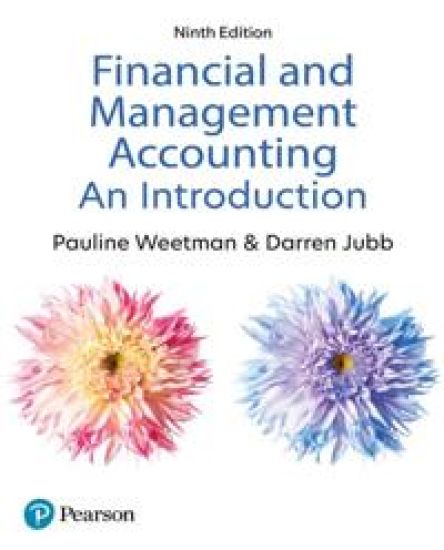
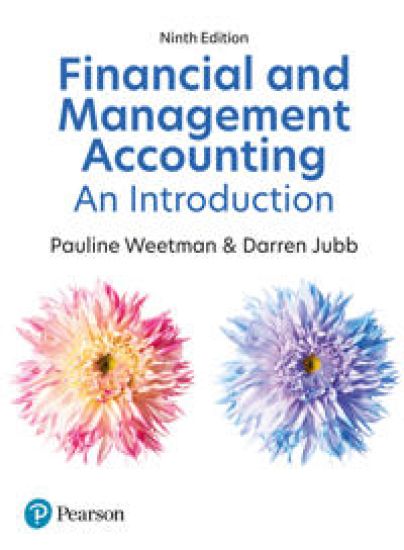
Shape your critical understanding of the 'why' behind the 'how' in Financial and Management Accounting. Financial & Management Accounting: An Introduction, 9th edition, is a well-respected text written by experts drawing on many years of experience in teaching Accounting. Ideal for undergraduate students in Business and Accounting courses, this revised edition provides new material on the relationship between corporate reporting and sustainability issues, including climate reporting. At the same time, the book retains all the features that have contributed to its popularity: focus on the accounting equations, extensive use of real-world case studies, a clear and accessible writing style, a wide range of student activities throughout each chapter, and a unique running case study applying accounting principles to a services company. Key features include: A discussion on sustainability and climate reporting with greater commitment to lower carbon use, and how international organisations have influenced corporate reporting in these areasRevised structure for flexible learning to suit your chosen study routeDefinitions and terminology aligned with the Conceptual FrameworkThoroughly revised content to reflect regulatory changes, including the transition to the Audit, Reporting and Governance Authority (ARGA)Chapter case studies illustrating key ideas in the book and featuring a variety of well-known companies and organisationsA range of activities throughout each chapter to help you consider issues from different viewpointsA large body of end-of-chapter questions to test your understanding of the essentials and go further by applying knowledge to realistic scenarios. With a strong focus on the 2018 Conceptual Framework of the International Accounting Standards Board, this textbook guides you in understanding the &"why" and not just the "how" of financial and management accounting.
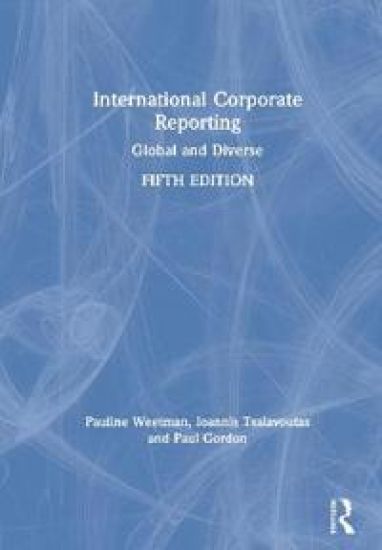
This textbook provides a comprehensive overview of international corporate reporting which enhances students’ understanding of diversity and convergence in the field. The authors discuss the institutional and cultural context in which international corporate reporting has developed over the years as well as the global reach of IFRS Standards from the IASB throughout and beyond the European Union, into interest groups and emerging economies. Other key elements explored throughout the book include assurance through auditing and corporate governance, narrative reporting, strategic and corporate social responsibility, group accounting, current accounting issues and taxation in corporate reports. Indicative research examples show how the methods used in research papers may be understood and applied. Case studies outline short projects based on corporate cases, with related links to material on corporate websites. Helpful and reliable sources of information and data are identified through hyperlinks to accessible websites. End-of-chapter questions encourage discussion of the main issues. Throughout there is a focus on accountability and the information needs of stakeholders.This new edition of a classic text is fully revised and updated in order to remain essential reading for students of international accounting and corporate reporting globally. The book will be an invaluable resource for postgraduate taught programmes and final-year undergraduate courses in accounting, finance and business studies.
This textbook provides a comprehensive overview of international corporate reporting which enhances students’ understanding of diversity and convergence in the field. The authors discuss the institutional and cultural context in which international corporate reporting has developed over the years as well as the global reach of IFRS Standards from the IASB throughout and beyond the European Union, into interest groups and emerging economies. Other key elements explored throughout the book include assurance through auditing and corporate governance, narrative reporting, strategic and corporate social responsibility, group accounting, current accounting issues and taxation in corporate reports. Indicative research examples show how the methods used in research papers may be understood and applied. Case studies outline short projects based on corporate cases, with related links to material on corporate websites. Helpful and reliable sources of information and data are identified through hyperlinks to accessible websites. End-of-chapter questions encourage discussion of the main issues. Throughout there is a focus on accountability and the information needs of stakeholders.This new edition of a classic text is fully revised and updated in order to remain essential reading for students of international accounting and corporate reporting globally. The book will be an invaluable resource for postgraduate taught programmes and final-year undergraduate courses in accounting, finance and business studies.