Kirjailija
Paulo Freire
Kirjat ja teokset yhdessä paikassa: 43 kirjaa, julkaisuja vuosilta 1987-2026, suosituimpien joukossa Pedagogy of Freedom. Vertaile teosten hintoja ja tarkista saatavuus suomalaisista kirjakaupoista.
43 kirjaa
Kirjojen julkaisuhaarukka 1987-2026.
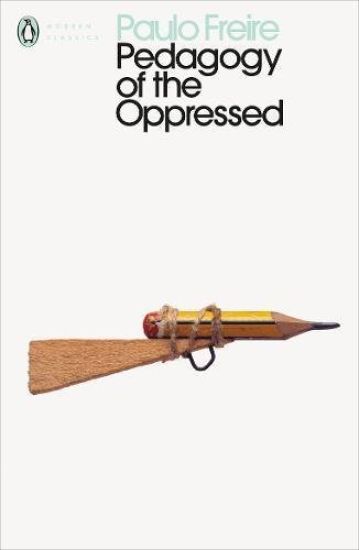
'The foremost work on the key democratic task: helping people to identify and challenge the sources of their oppression ... a transformative text' George Monbiot, GuardianArguing that 'education is freedom', Paulo Freire's radical international classic contends that traditional teaching styles keep the poor powerless by treating them as passive, silent recipients of knowledge. Grounded in Freire's own experience teaching impoverished and illiterate students in his native Brazil and over the world, this pioneering book instead suggests that through co-operation, dialogue and critical thinking, every human being can develop a sense of self and fulfil their right to be heard.'Truly revolutionary' Ivan Illich
Freire and Macedo analyse the connection between literacy and politics according to whether it produces existing social relations, or introduces a new set of cultural practices that promote democratic and emancipatory change.
Kasvatustieteen ohittamaton merkkipaaluBrasilialainen Paulo Freire (1921-1997) oli maailmankuulu pedagogi, joka tutkimustyönsä ohella organisoi monessa kehitysmaassa köyhän työväestön koulutusta. Hänen pääteoksensa "Sorrettujen pedagogiikka" on kasvatustieteen laajimmalle levinnyt ja käännetyin klassikko.Freire kritisoi tallettavaa kasvatusta eli käsitystä, jonka mukaan oppilas tallettaa muistiinsa sisältöjä, jotka opettaja sinne tuottaa. Tämän sijaan hän korosti oppilaan aktiivisuutta sekä opettajan ja oppilaiden dialogia.Yhteiskunnallinen tiedostaminen oli Freirelle tärkeä kasvatuksen tavoite: yhteiskunnalliset ongelmat voivat antaa motiivin oppimiselle ja ne voidaan yrittää ratkaista oppimisen keinoin. Kasvatuksen ja koulutuksen perimmäinen päämäärä on maailman muuttaminen paremmaksi.Freiren päätyö on edelleen välttämätöntä luettavaa kaikille pedagogiikan ja yhteiskunnan suhteesta kiinnostuneille.
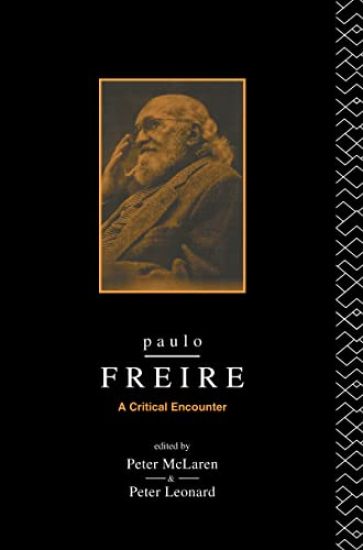
Paulo Freire is one of the century's great thinkers on education and the politics of liberation. Known mostly for his literacy campaigns in Latin America and Africa, and for his seminal work Pedagogy of the Oppressed, his thinking continues to be rediscovered by generations of teachers, scholars, community activists and cultural workers in Europe and North America. While his name is synonymous with the practice of Critical Literacy' and A Pedagogy of Liberation', his work has been appropiated in many diverse fields of discipline and site-based projects of social reform. This volume represents a pathfinding analysis of Freires work and in many cases it offers an extension of his thinking in order to make it more applicable to first world contexts. Peter McLaren and Peter Leonard have brought together a divergent group of scholars widely recognized for their contributions to critical theory and critical pedagogy. Themes addressed include Freier's relation to feminist critique, his philosophical roots and an evaluation of his ideas from postmodernist and postcolonialist perspectives. The collection will be essential reading for anyone interested in the radical sociology of education and the politics of liberation.
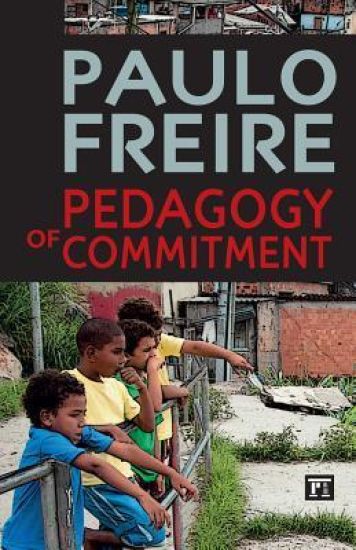
This first English translation of Pedagogy of Commitment takes readers deep into the acts and meaning of living a life of community and social commitment. Paulo Friere discusses how, for teachers specifically, this commitment is not only to students, to the underprivileged, or to the education of those who speak a different language, but to the transformation of the self to become more deeply responsive to the needs of social transformations. More than any other Freire book, this speaks directly and plainly to the lives of individuals and to teachers. It is an inspiring and passionate call from a global giant of progressive education.
Pedagogy of Solidarity
Paulo Freire; Ana Maria Araújo Freire; Walter de Oliveira
Left Coast Press Inc
2014
nidottu
Famous Brazilian educational and social theorist Paulo Freire presents his ideas on the importance of community solidarity in moving toward social justice in schools and society. In a set of talks and interviews shortly before his death, Freire addresses issues not often highlighted in his work, such as globalization, post-modern fatalism, and the qualities of educators for the 21st century. His illuminating comments are supplemented with commentaries by other well-known scholars, such as Ana Maria Araujo Freire, Walter de Oliveira, Norman Denzin, Henry Giroux, and Donaldo Macedo.
Pedagogy of Solidarity
Paulo Freire; Ana Maria Araújo Freire; Walter de Oliveira
Left Coast Press Inc
2014
sidottu
Famous Brazilian educational and social theorist Paulo Freire presents his ideas on the importance of community solidarity in moving toward social justice in schools and society. In a set of talks and interviews shortly before his death, Freire addresses issues not often highlighted in his work, such as globalization, post-modern fatalism, and the qualities of educators for the 21st century. His illuminating comments are supplemented with commentaries by other well-known scholars, such as Ana Maria Araujo Freire, Walter de Oliveira, Norman Denzin, Henry Giroux, and Donaldo Macedo.
En Cartas a quien pretende ense ar, Paulo Freire les habla a los docentes sobre los aspectos m s delicados de la pr ctica educativa, y lo hace con la firmeza y la generosidad que caracterizan su estilo. En contra de los tab es que terminan produciendo profesores d biles y vacilantes, defiende la necesidad de una autoridad que nada tiene que ver con la arrogancia y que, por el contrario, permite la confianza del maestro en sus propios saberes y convicciones y en su capacidad para vincularse con los alumnos y proponerles otros mundos posibles. Las cartas recuperan el sabor del di logo y el valor de la transmisi n que surge de la experiencia. La imaginaci n que nos lleva a sue os posibles o imposibles siempre es necesaria. Es preciso estimular la imaginaci n de los educandos, usarla en el " dise o" de la escuela con la que ellos sue an. Por qu no poner en pr ctica dentro del sal n de clase una parte de esa escuela? Por qu , al discutir la imaginaci n o los proyectos, no les subrayamos a los educandos los obst culos concretos -aunque algunos sean por el momento insuperables- para la realizaci n de su imaginaci n? Por qu no enfatizar el derecho a imaginar, so ar y luchar por el sue o? Al fin y al cabo es preciso dejar bien claro que la imaginaci n no es ejercicio de gente desconectada de la realidad, que vive en el aire. Por el contrario, al imaginar alguna cosa lo hacemos condicionados precisamente por la falta de lo concreto. Cuando el ni o imagina una escuela alegre y libre es porque la suya le niega la libertad y la alegr a. Paulo Freire
Diese Sammlung von Schriften des brasilianischen Pädagogen Paulo Freire (1921-1997) geben einen Einblick in die spätere Phase der Weiterentwicklung seiner Bildungsarbeit von 1991 bis 1997 auf der Basis der Pädagogik der Befreiung. In den ausgewählten Texten werden nicht nur pädagogische Probleme und inhaltlich-methodische Fragen der Bildungsarbeit thematisiert. Sie enthalten ebenso Analysen und Bewertungen von Politik, Kultur, Religion, Ethik und Veränderungsmöglichkeiten von Gesellschaft - eine Erweiterung, die sich gegen eine Vorstellung wendet, Pädagogik sei von Gesellschaft und Politik losgelöst zu behandeln. Scharfsinnig hat Freire u.a. die verheerenden Folgen des Neoliberalismus für Individuum und Gesellschaft analysiert und zum widerständigen Denken und Handeln ermuntert."Eine Auswahl repräsentativer alter und neuer Texte von Paulo Freire: Wer sie zur Hand nimmt, entdeckt rasch, dass uns dieser brasilianische Pädagoge nicht nur für die Theorie und Praxis unserer Erziehungsarbeit, sondern für unser Überleben Entscheidendes zu sagen hat."Prof. Dr. Ulrich Becker, Universität Hannover
-- New from the author of the million-selling Pedagogy of the Oppressed -- In an era when teachers and states are resisting high-stakes testing, this new book from world-renowned author Paulo Freire could not be more timely. Freire's uplifting message u
Brasilianeren Paulo Freire (1921-1997) gjør i boka nærmere greie for sin pedagogiske metode. Han viser hvordan uvitende, passive og undertrykte mennesker kan utvikle selvtillit og bli kritiske og aktive. Dette skjer gjennom et møte med andre - lærere såvel som politiske ledere -, et møte basert på dialog. Boka er en klassiker som er like viktig for middelklassen i Vesten som for fattige i Latin-Amerika. Forord av Eva Nordland. I Basis-serien.
New from the author of the million-selling Pedagogy of the OppressedIn an era when teachers and states are resisting high-stakes testing, this new book from world-renowned author Paulo Freire could not be more timely.
In Teachers as Cultural Workers, Freire speaks directly to teachers about the lessons learned from a lifetime of experience as an educator and social theorist. Freire's words challenge all who teach to reflect critically on the meaning of the act of teaching as well as the meaning of learning. He shows why a teacher's success depends on a permanent commitment to learning and training, as part of an ongoing appraisal of classroom practice. By opening themselves to recognition of the different roads students take in order to learn, teachers will become involved in a continual reconstruction of their own paths of curiosity, opening the doors to habits of learning that will benefit everyone in the classroom. In essays new to this edition, well-known and respected educators Peter McLaren, Joe Kincheloe, and Shirley Steinberg add their reflections on the relevance of Freire's work to the study and practice of education across the globe.
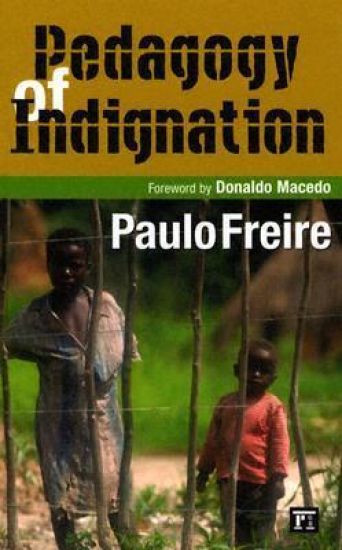
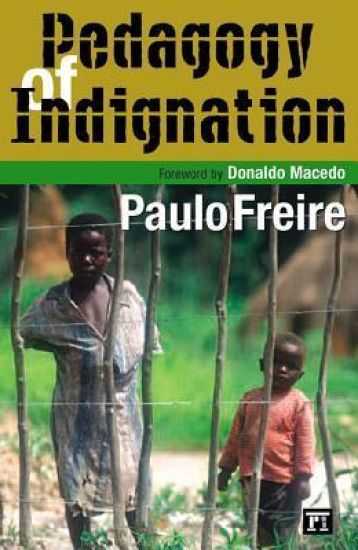
This is the first English translation of the last book written by Paulo Freire. Pedagogy of Indignation delves ever deeper into the themes that concerned him throughout his life. The book begins with a series of three deeply moving reflective "pedagogical letters" to the reader about the role of education for one's development of self. He also speaks directly to the reader about the relationship to risk in one's life and he delves deeper than before into the daily life tensions between freedom and authority.Building on these interconnected themes, Freire sharpens our sense of the critical faculties of children and how a teacher may work with children to help them realize their potential intellectually and as human beings. Subsequent chapters explore these topics in relation to the wider social world: the social constitution of the self in the work of educators; critical citizenship; and the necessity of teaching "from a position" about the world that goes beyond literacy programs to include the legacy of colonialism in peoples' resistance movements today. The book's poignant interludes, written by Ana Maria Araujo Freire, reveal Paulo's thoughts about the content of this book as he was completing it during the last weeks and days of his life.
This is the first English translation of the last book written by Paulo Freire. Pedagogy of Indignation delves ever deeper into the themes that concerned him throughout his life. The book begins with a series of three deeply moving reflective "pedagogical letters" to the reader about the role of education for one's development of self. He also speaks directly to the reader about the relationship to risk in one's life and he delves deeper than before into the daily life tensions between freedom and authority. Building on these interconnected themes, Freire sharpens our sense of the critical faculties of children and how a teacher may work with children to help them realize their potential intellectually and as human beings. Subsequent chapters explore these topics in relation to the wider social world: the social constitution of the self in the work of educators; critical citizenship; and the necessity of teaching "from a position" about the world that goes beyond literacy programs to include the legacy of colonialism in peoples' resistance movements today. The book's poignant interludes, written by Ana Maria Araujo Freire, reveal Paulo's thoughts about the content of this book as he was completing it during the last weeks and days of his life.
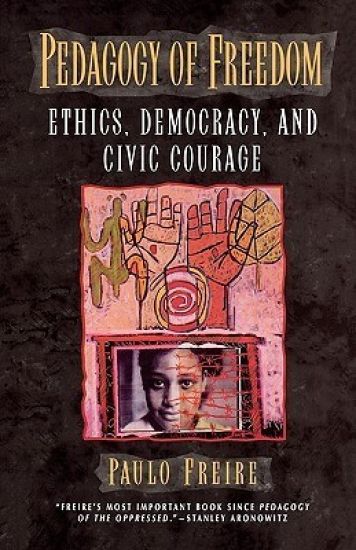
In Pedagogy of Freedom Paulo Freire travels ever more deeply into the territory where learning and activism are the essence of human life. This profound new book shows why an engaged way of learning and teaching is central to the creation of the individual, culture, and history. Freire finds in today's emerging global society a new context in which education cannot be indifferent to the reproduction of dominant ideologies and the interrogation of them. He argues against 'progressive' liberalism and its passive acceptance of a world where unemployment and hunger must inevitably co-exist with opulence. In so doing, he shows why an acceptance of fatalism leads to loss of personal and societal freedom_and how those individuals who think without optimism have lost their place in history. This book displays the striking creativity and profound insight that characterized Freire's work to the very end of his life_an uplifting and provocative exploration not only for educators, but for all who learn and live.
In this volume, we have chosen to highlight the importance of education to human rights by reprinting two articles written by Paulo Freire (1921-1997) in 1970 for the Harvard Educational Review. These articles contain many of Freire's original ideas on human rights and education—issues that are central to his work. Freire was a pioneer in promoting the universal right to education and literacy as part of a commitment to people's struggle against oppression. As Jerome Bruner recognized after Freire's death in May 1997, Freire left as a legacy his commitment to basic human rights: ""He was a brave man as well as a far-sighted one. He made us aware of our mindless cruelties, and now the challenge to all of us is to do something about those cruelties.
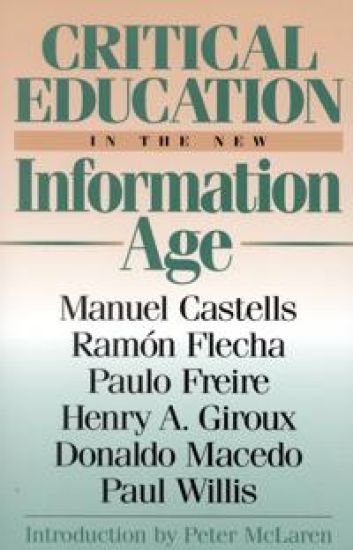
Critical Education in the New Information Age
Manuel Castells; Ramón Flecha; Paulo Freire; Henry A. Giroux; Donaldo Macedo
Rowman Littlefield
1999
nidottu
Essays by some of the world's leading educators provide a revolutionary portrait of new ideas and developments in education that can influence the possibility of social and political change. The authors take into account such diverse terrain as feminism, ecology, media, and individual liberty in their pursuit of new ideas that can inform the fundamental practice of education and promote a more humane civil society. The book consolidates recent thinking just as it reflects on emerging new lines of critical theory.