Kirjojen hintavertailu. Mukana 12 595 353 kirjaa ja 12 kauppaa.

Kirjailija

Penelope Murray

Kirjat ja teokset yhdessä paikassa: 3 kirjaa, julkaisuja vuosilta 1989-2017, suosituimpien joukossa A Companion to Ancient Aesthetics. Vertaile teosten hintoja ja tarkista saatavuus suomalaisista kirjakaupoista.

3 kirjaa

Kirjojen julkaisuhaarukka 1989-2017.

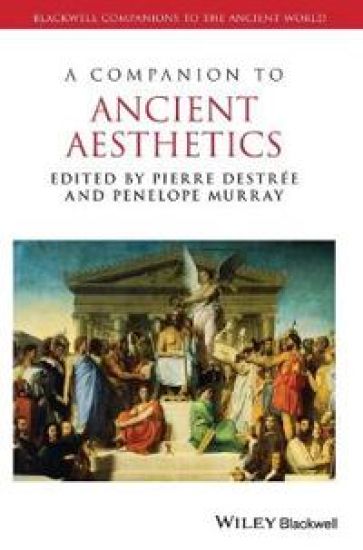
A Companion to Ancient Aesthetics

A Companion to Ancient Aesthetics

Pierre Destrée; Penelope Murray

Wiley-Blackwell (an imprint of John Wiley Sons Ltd)
2015
sidottu
The first of its kind, A Companion to Ancient Aesthetics presents a synoptic view of the arts, which crosses traditional boundaries and explores the aesthetic experience of the ancients across a range of media—oral, aural, visual, and literary. Investigates the many ways in which the arts were experienced and conceptualized in the ancient worldExplores the aesthetic experience of the ancients across a range of media, treating literary, oral, aural, and visual arts together in a single volumePresents an integrated perspective on the major themes of ancient aesthetics which challenges traditional demarcationsRaises questions about the similarities and differences between ancient and modern ways of thinking about the place of art in society

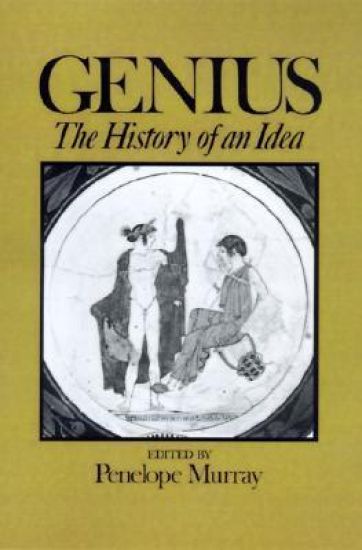
Genius

Genius

Penelope Murray

Blackwell Publishers
1989
sidottu
This book explores the history of the idea of genius from its origins in classical antiquity to its deconstruction in postmodernist criticism. Focusing mainly on the creative arts, the book examines certain key points in the development of the idea, and also addresses the problem of what constitutes genius in specific subject areas. Experts in different fields have contributed chapters on literature, art, music, mathematics, philosophy and psychiatry to produce a volume which illuminates an abiding obsession throughout the history of European culture. The contributors to this volume show how the ancient image of the inspired poet and the Renaissance conception of the divino artista both anticipate later notions of genius, developed into the 18th century around the central figures of Homer, Shakespeare and Goethe. Romantic definitions of genius are analysed, as are the implications of Nietzsche's pronouncements on 'human greatness'. The historic conjunction of genius and madness is explored from the early belief in divine possession through the Renaissance notion of melancholy to the age of psychoanalysis.