Kirjojen hintavertailu. Mukana 12 174 961 kirjaa ja 12 kauppaa.
Kirjailija
Peter C. Bruce
Kirjat ja teokset yhdessä paikassa: 8 kirjaa, julkaisuja vuosilta 2015-2024, suosituimpien joukossa Statistics for Data Science and Analytics. Vertaile teosten hintoja ja tarkista saatavuus suomalaisista kirjakaupoista.
Introductory statistics textbook with a focus on data science topics such as prediction, correlation, and data exploration Statistics for Data Science and Analytics is a comprehensive guide to statistical analysis using Python, presenting important topics useful for data science such as prediction, correlation, and data exploration. The authors provide an introduction to statistical science and big data, as well as an overview of Python data structures and operations. A range of statistical techniques are presented with their implementation in Python, including hypothesis testing, probability, exploratory data analysis, categorical variables, surveys and sampling, A/B testing, and correlation. The text introduces binary classification, a foundational element of machine learning, validation of statistical models by applying them to holdout data, and probability and inference via the easy-to-understand method of resampling and the bootstrap instead of using a myriad of “kitchen sink” formulas. Regression is taught both as a tool for explanation and for prediction. This book is informed by the authors’ experience designing and teaching both introductory statistics and machine learning at Statistics.com. Each chapter includes practical examples, explanations of the underlying concepts, and Python code snippets to help readers apply the techniques themselves. Statistics for Data Science and Analytics includes information on sample topics such as: Int, float, and string data types, numerical operations, manipulating strings, converting data types, and advanced data structures like lists, dictionaries, and setsExperiment design via randomizing, blinding, and before-after pairing, as well as proportions and percents when handling binary dataSpecialized Python packages like numpy, scipy, pandas, scikit-learn and statsmodels—the workhorses of data science—and how to get the most value from themStatistical versus practical significance, random number generators, functions for code reuse, and binomial and normal probability distributions Written by and for data science instructors, Statistics for Data Science and Analytics is an excellent learning resource for data science instructors prescribing a required intro stats course for their programs, as well as other students and professionals seeking to transition to the data science field.
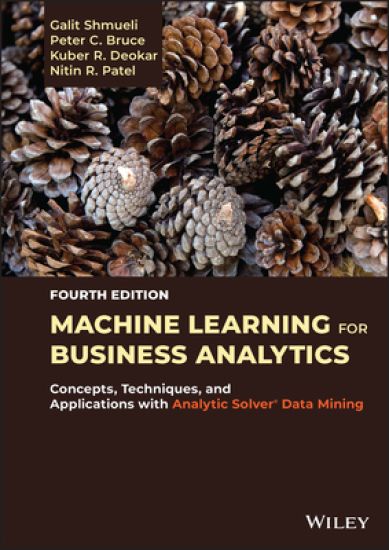
MACHINE LEARNING FOR BUSINESS ANALYTICS Machine learning—also known as data mining or predictive analytics—is a fundamental part of data science. It is used by organizations in a wide variety of arenas to turn raw data into actionable information. Machine Learning for Business Analytics: Concepts, Techniques, and Applications with Analytic Solver® Data Mining provides a comprehensive introduction and an overview of this methodology. The fourth edition of this best-selling textbook covers both statistical and machine learning algorithms for prediction, classification, visualization, dimension reduction, rule mining, recommendations, clustering, text mining, experimentation, time series forecasting and network analytics. Along with hands-on exercises and real-life case studies, it also discusses managerial and ethical issues for responsible use of machine learning techniques. This fourth edition of Machine Learning for Business Analytics also includes: An expanded chapter on deep learning A new chapter on experimental feedback techniques, including A/B testing, uplift modeling, and reinforcement learning A new chapter on responsible data science Updates and new material based on feedback from instructors teaching MBA, Masters in Business Analytics and related programs, undergraduate, diploma and executive courses, and from their students A full chapter devoted to relevant case studies with more than a dozen cases demonstrating applications for the machine learning techniques End-of-chapter exercises that help readers gauge and expand their comprehension and competency of the material presented A companion website with more than two dozen data sets, and instructor materials including exercise solutions, slides, and case solutions This textbook is an ideal resource for upper-level undergraduate and graduate level courses in data science, predictive analytics, and business analytics. It is also an excellent reference for analysts, researchers, and data science practitioners working with quantitative data in management, finance, marketing, operations management, information systems, computer science, and information technology.
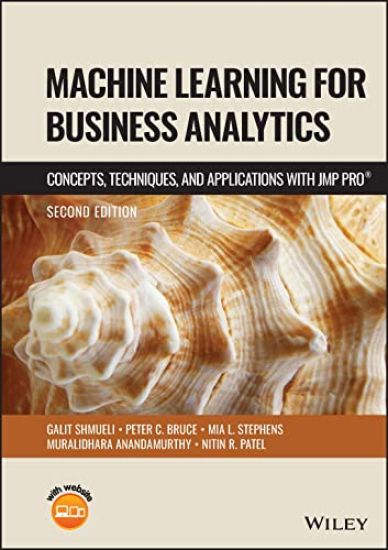
MACHINE LEARNING FOR BUSINESS ANALYTICS An up-to-date introduction to a market-leading platform for data analysis and machine learning Machine Learning for Business Analytics: Concepts, Techniques, and Applications with JMP Pro, 2nd ed. offers an accessible and engaging introduction to machine learning. It provides concrete examples and case studies to educate new users and deepen existing users’ understanding of their data and their business. Fully updated to incorporate new topics and instructional material, this remains the only comprehensive introduction to this crucial set of analytical tools specifically tailored to the needs of businesses. Machine Learning for Business Analytics: Concepts, Techniques, and Applications with JMP Pro, 2nd ed. readers will also find: Updated material which improves the book’s usefulness as a reference for professionals beyond the classroomFour new chapters, covering topics including Text Mining and Responsible Data ScienceAn updated companion website with data sets and other instructor resources: www.jmp.com/dataminingbookA guide to JMP Pro's new features and enhanced functionality Machine Learning for Business Analytics: Concepts, Techniques, and Applications with JMP Pro, 2nd ed. is ideal for students and instructors of business analytics and data mining classes, as well as data science practitioners and professionals in data-driven industries.
Machine Learning for Business Analytics Machine learning—also known as data mining or data analytics—is a fundamental part of data science. It is used by organizations in a wide variety of arenas to turn raw data into actionable information. Machine Learning for Business Analytics: Concepts, Techniques and Applications in RapidMiner provides a comprehensive introduction and an overview of this methodology. This best-selling textbook covers both statistical and machine learning algorithms for prediction, classification, visualization, dimension reduction, rule mining, recommendations, clustering, text mining, experimentation and network analytics. Along with hands-on exercises and real-life case studies, it also discusses managerial and ethical issues for responsible use of machine learning techniques. This is the seventh edition of Machine Learning for Business Analytics, and the first using RapidMiner software. This edition also includes: A new co-author, Amit Deokar, who brings experience teaching business analytics courses using RapidMiner Integrated use of RapidMiner, an open-source machine learning platform that has become commercially popular in recent years An expanded chapter focused on discussion of deep learning techniques A new chapter on experimental feedback techniques including A/B testing, uplift modeling, and reinforcement learning A new chapter on responsible data science Updates and new material based on feedback from instructors teaching MBA, Masters in Business Analytics and related programs, undergraduate, diploma and executive courses, and from their students A full chapter devoted to relevant case studies with more than a dozen cases demonstrating applications for the machine learning techniques End-of-chapter exercises that help readers gauge and expand their comprehension and competency of the material presented A companion website with more than two dozen data sets, and instructor materials including exercise solutions, slides, and case solutions This textbook is an ideal resource for upper-level undergraduate and graduate level courses in data science, predictive analytics, and business analytics. It is also an excellent reference for analysts, researchers, and data science practitioners working with quantitative data in management, finance, marketing, operations management, information systems, computer science, and information technology.
MACHINE LEARNING FOR BUSINESS ANALYTICS Machine learning —also known as data mining or data analytics— is a fundamental part of data science. It is used by organizations in a wide variety of arenas to turn raw data into actionable information. Machine Learning for Business Analytics: Concepts, Techniques, and Applications in R provides a comprehensive introduction and an overview of this methodology. This best-selling textbook covers both statistical and machine learning algorithms for prediction, classification, visualization, dimension reduction, rule mining, recommendations, clustering, text mining, experimentation, and network analytics. Along with hands-on exercises and real-life case studies, it also discusses managerial and ethical issues for responsible use of machine learning techniques. This is the second R edition of Machine Learning for Business Analytics. This edition also includes: A new co-author, Peter Gedeck, who brings over 20 years of experience in machine learning using RAn expanded chapter focused on discussion of deep learning techniquesA new chapter on experimental feedback techniques including A/B testing, uplift modeling, and reinforcement learningA new chapter on responsible data scienceUpdates and new material based on feedback from instructors teaching MBA, Masters in Business Analytics and related programs, undergraduate, diploma and executive courses, and from their studentsA full chapter devoted to relevant case studies with more than a dozen cases demonstrating applications for the machine learning techniquesEnd-of-chapter exercises that help readers gauge and expand their comprehension and competency of the material presentedA companion website with more than two dozen data sets, and instructor materials including exercise solutions, slides, and case solutions This textbook is an ideal resource for upper-level undergraduate and graduate level courses in data science, predictive analytics, and business analytics. It is also an excellent reference for analysts, researchers, and data science practitioners working with quantitative data in management, finance, marketing, operations management, information systems, computer science, and information technology.
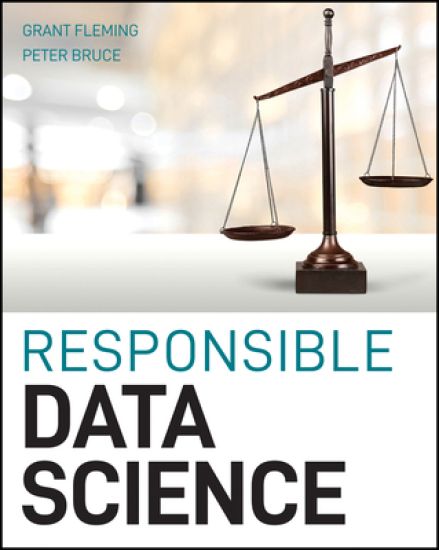
Explore the most serious prevalent ethical issues in data science with this insightful new resource The increasing popularity of data science has resulted in numerous well-publicized cases of bias, injustice, and discrimination. The widespread deployment of “Black box” algorithms that are difficult or impossible to understand and explain, even for their developers, is a primary source of these unanticipated harms, making modern techniques and methods for manipulating large data sets seem sinister, even dangerous. When put in the hands of authoritarian governments, these algorithms have enabled suppression of political dissent and persecution of minorities. To prevent these harms, data scientists everywhere must come to understand how the algorithms that they build and deploy may harm certain groups or be unfair. Responsible Data Science delivers a comprehensive, practical treatment of how to implement data science solutions in an even-handed and ethical manner that minimizes the risk of undue harm to vulnerable members of society. Both data science practitioners and managers of analytics teams will learn how to: Improve model transparency, even for black box modelsDiagnose bias and unfairness within models using multiple metricsAudit projects to ensure fairness and minimize the possibility of unintended harm Perfect for data science practitioners, Responsible Data Science will also earn a spot on the bookshelves of technically inclined managers, software developers, and statisticians.
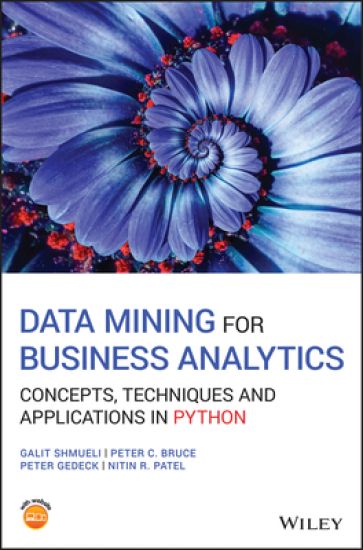
Data Mining for Business Analytics: Concepts, Techniques, and Applications in Python presents an applied approach to data mining concepts and methods, using Python software for illustration Readers will learn how to implement a variety of popular data mining algorithms in Python (a free and open-source software) to tackle business problems and opportunities. This is the sixth version of this successful text, and the first using Python. It covers both statistical and machine learning algorithms for prediction, classification, visualization, dimension reduction, recommender systems, clustering, text mining and network analysis. It also includes: A new co-author, Peter Gedeck, who brings both experience teaching business analytics courses using Python, and expertise in the application of machine learning methods to the drug-discovery processA new section on ethical issues in data miningUpdates and new material based on feedback from instructors teaching MBA, undergraduate, diploma and executive courses, and from their studentsMore than a dozen case studies demonstrating applications for the data mining techniques describedEnd-of-chapter exercises that help readers gauge and expand their comprehension and competency of the material presentedA companion website with more than two dozen data sets, and instructor materials including exercise solutions, PowerPoint slides, and case solutions Data Mining for Business Analytics: Concepts, Techniques, and Applications in Python is an ideal textbook for graduate and upper-undergraduate level courses in data mining, predictive analytics, and business analytics. This new edition is also an excellent reference for analysts, researchers, and practitioners working with quantitative methods in the fields of business, finance, marketing, computer science, and information technology. “This book has by far the most comprehensive review of business analytics methods that I have ever seen, covering everything from classical approaches such as linear and logistic regression, through to modern methods like neural networks, bagging and boosting, and even much more business specific procedures such as social network analysis and text mining. If not the bible, it is at the least a definitive manual on the subject.” —Gareth M. James, University of Southern California and co-author (with Witten, Hastie and Tibshirani) of the best-selling book An Introduction to Statistical Learning, with Applications in R
Concise, thoroughly class-tested primer that features basic statistical concepts in the concepts in the context of analytics, resampling, and the bootstrap A uniquely developed presentation of key statistical topics, Introductory Statistics and Analytics: A Resampling Perspective provides an accessible approach to statistical analytics, resampling, and the bootstrap for readers with various levels of exposure to basic probability and statistics. Originally class-tested at one of the first online learning companies in the discipline, www.statistics.com, the book primarily focuses on applications of statistical concepts developed via resampling, with a background discussion of mathematical theory. This feature stresses statistical literacy and understanding, which demonstrates the fundamental basis for statistical inference and demystifies traditional formulas. The book begins with illustrations that have the essential statistical topics interwoven throughout before moving on to demonstrate the proper design of studies. Meeting all of the Guidelines for Assessment and Instruction in Statistics Education (GAISE) requirements for an introductory statistics course, Introductory Statistics and Analytics: A Resampling Perspective also includes: Over 300 “Try It Yourself” exercises and intermittent practice questions, which challenge readers at multiple levels to investigate and explore key statistical conceptsNumerous interactive links designed to provide solutions to exercises and further information on crucial conceptsLinkages that connect statistics to the rapidly growing field of data scienceMultiple discussions of various software systems, such as Microsoft Office Excel®, StatCrunch, and R, to develop and analyze dataAreas of concern and/or contrasting points-of-view indicated through the use of “Caution” icons Introductory Statistics and Analytics: A Resampling Perspective is an excellent primary textbook for courses in preliminary statistics as well as a supplement for courses in upper-level statistics and related fields, such as biostatistics and econometrics. The book is also a general reference for readers interested in revisiting the value of statistics.