

Kirjailija
Peter Finn
Kirjat ja teokset yhdessä paikassa: 32 kirjaa, julkaisuja vuosilta 2013-2025, suosituimpien joukossa Go for a Swim!. Vertaile teosten hintoja ja tarkista saatavuus suomalaisista kirjakaupoista.
32 kirjaa
Kirjojen julkaisuhaarukka 2013-2025.






Though the House of Representatives is called the lower chamber of Congress, its members--numbering 435--wield powers that the Senate, the upper chamber, doesn't have. Readers of this important addition to any social studies collection will learn how representatives are elected, what their responsibilities are, and some historical legislation that they've passed. They'll also learn how the House affects their lives and how they can interact with representatives. Sidebars, fact boxes, and historical photographs will engage budding politicians with critical content, including integral parts of the social studies curriculum.
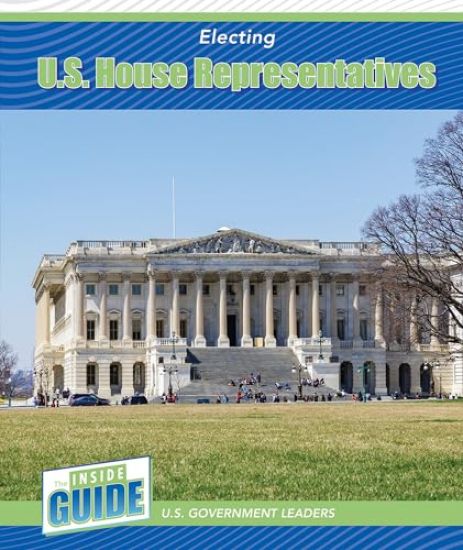
Though the House of Representatives is called the lower chamber of Congress, its members--numbering 435--wield powers that the Senate, the upper chamber, doesn't have. Readers of this important addition to any social studies collection will learn how representatives are elected, what their responsibilities are, and some historical legislation that they've passed. They'll also learn how the House affects their lives and how they can interact with representatives. Sidebars, fact boxes, and historical photographs will engage budding politicians with critical content, including integral parts of the social studies curriculum.
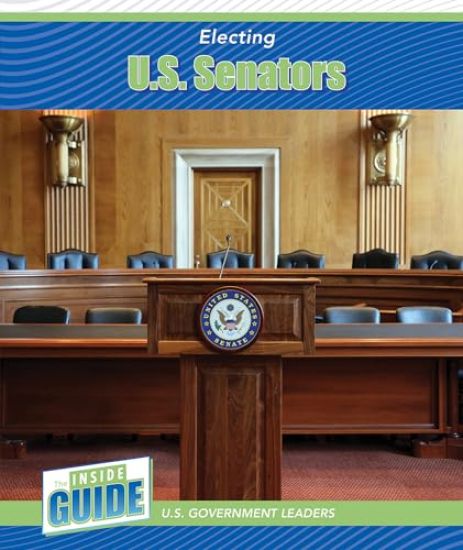
Sometimes called the Upper House, the U.S. Senate wields much power in the legislative process. Each of the 100 senators in Congress have a lot of say in making policy and passing laws. Readers of this beneficial book will find out how someone becomes elected to the Senate and what responsibilities they have to their constituents. They'll also learn about some famous senators and how they can interact with their senators. Sidebars, fact boxes, and historical photographs will engage budding politicians with critical content, including integral parts of the social studies curriculum.

The history of people--everything that has happened in the past, whether yesterday or thousands of years ago--is a key part of social studies. History is somewhat like a story, but a complicated one. Not only is it the study of past events but also the study of why these events happened. This thought-provoking book will have young historians thinking about the history of their communities and of the wider world. They'll consider causes and effects and make connections with their own lives, both important standards of elementary social studies curricula.

Geography is the study of Earth's physical features. It's also the study of how people interact with these features. This indispensable book introduces important concepts of geography to readers through at-level text and colorful, closely correlated photographs, making this important aspect of social studies both engaging and appealing. Readers will learn how geography affects where and how people live, and how people change their environments. They'll also discover what geographers do and their role in helping us understand our changing planet.

Civics is the study of citizens' privileges and obligations. Citizens are protected by a country's laws, but they owe that country loyalty in return. This valuable book, a helpful support to curricular civics studies, explains much more about civics and citizenship in terms that readers will understand and appreciate. Through accessible vocabulary and high-interest examples, they will learn more about the freedoms that citizens enjoy and how people become citizens of a country. As they read this well-crafted text, young citizens will be motivated to reflect on their own citizenship and its connection to their daily lives.

Geography is the study of Earth's physical features. It's also the study of how people interact with these features. This indispensable book introduces important concepts of geography to readers through at-level text and colorful, closely correlated photographs, making this important aspect of social studies both engaging and appealing. Readers will learn how geography affects where and how people live, and how people change their environments. They'll also discover what geographers do and their role in helping us understand our changing planet.

Civics is the study of citizens' privileges and obligations. Citizens are protected by a country's laws, but they owe that country loyalty in return. This valuable book, a helpful support to curricular civics studies, explains much more about civics and citizenship in terms that readers will understand and appreciate. Through accessible vocabulary and high-interest examples, they will learn more about the freedoms that citizens enjoy and how people become citizens of a country. As they read this well-crafted text, young citizens will be motivated to reflect on their own citizenship and its connection to their daily lives.

Economics . . . it sounds complex, but it's not as daunting when it's thought of simply as the study of money and how people spend it. Still, that can get quite complicated This enlightening and at-level book makes this fundamental topic both interesting and understandable to readers. Comprehensible explanations, colorful photographs, and engaging examples of concepts will motivate readers to make connections about what they learn, applying their acquired knowledge to their everyday lives. They'll also learn how economics connects their community to communities around the world.
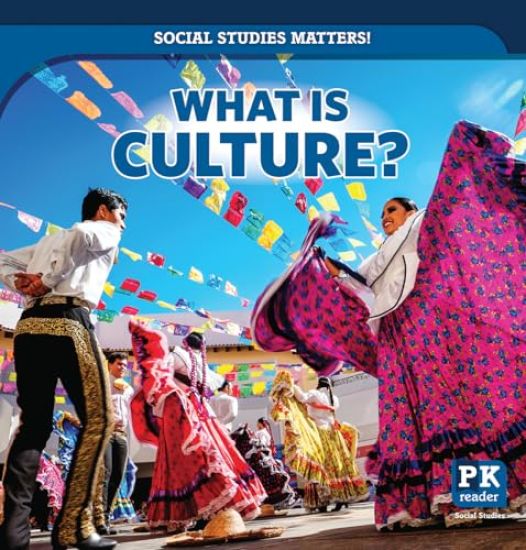
Recognizing characteristics of cultures--the beliefs and ways of life of a group of people--is a key part of elementary social studies curricula. This essential volume helps readers identify unique features in cultures, such as languages, traditions, and celebrations, which highlight the interesting variety of peoples' backgrounds. They'll also identify common characteristics among cultures. Colorful photographs closely support the at-level text while the well-researched information motivates readers to consider and appreciate their own cultural heritage as well as other cultures in their community.

Calling all cryptozoologists and lovers of legendary monsters Delving into myths and legends from across many cultures, this thrilling text presents classic lore and modern tales, often side by side with possible scientific explanations. But readers will learn that stories of Bigfoot, the Loch Ness monster, vampires, werewolves, and other strange creatures persist, despite the protests of skeptics. Vivid images and a dynamic design will keep even the most reluctant readers interested, while graphic organizers, sidebars, and fact boxes offer more creepy cryptid tales. At the conclusion, readers decide for themselves what they believe about monsters' existence.
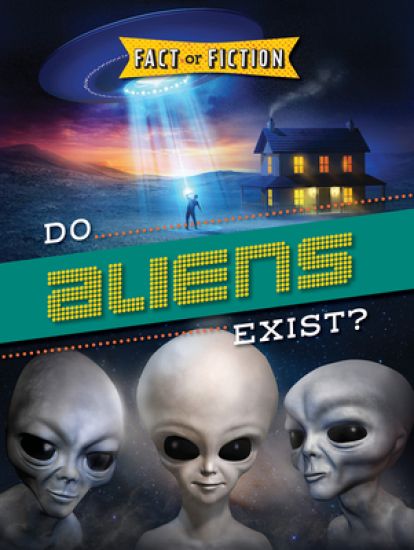
Are they out there? The many movies and TV shows about aliens tell us that people continue to be extremely interested in the possibility of extraterrestrial life. This entertaining yet thoughtful volume presents information about aliens and UFOs through personal and historical accounts as well as possible scientific explanations for supposed encounters. Thought-provoking sidebars and fact boxes and vivid images will keep even the most reluctant readers interested. They'll be able to decide for themselves about the title's query based on the evidence presented.
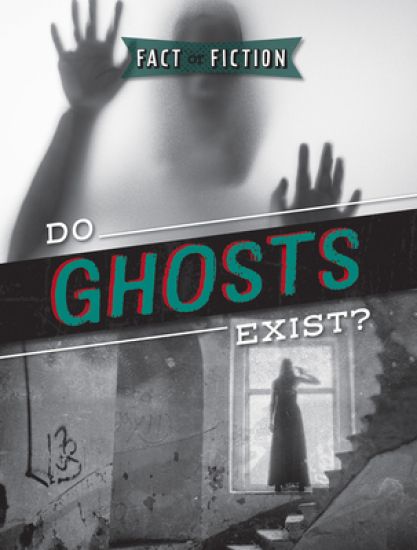
Have you ever heard, seen, or felt something you couldn't explain? Some people think these occurrences have an explanation: ghosts. Ghost hunters--and those who just like to read ghost stories--will love the historical accounts, strange photographs, freaky folklore, and creepy tales in this high-interest volume. They'll learn about the mysterious sightings at Gettysburg, Edinburgh Castle, and the White House, to name just a few of the haunted locales. Sidebars, graphic organizers, and fact boxes add further intriguing facts before the reader is asked to decide what they believe.
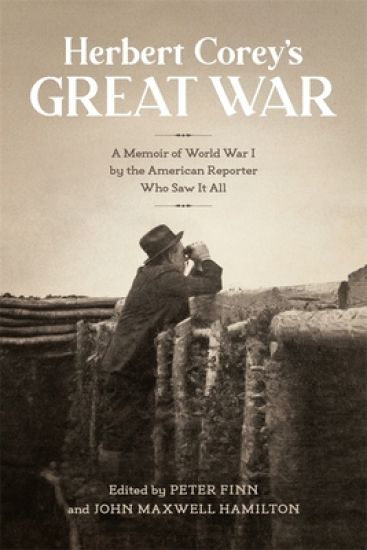
In 1914, the Associated Newspapers sent correspondent Herbert Corey to Europe on the day Great Britain declared war on Germany. During the Great War that followed, Corey reported from France, Britain, and Germany, visiting the German lines on both the western and eastern fronts. He also reported from Greece, Italy, Switzerland, Holland, Belgium, and Serbia. When the Armistice was signed in November 1918, Corey defied the rules of the American Expeditionary Forces and crossed into Germany. He covered the Paris Peace Conference the following year. No other foreign correspondent matched the longevity of his reporting during World War I. Until recently, however, his unpublished memoir lay largely unnoticed among his papers in the Library of Congress.With publication of Herbert Corey's Great War, coeditors Peter Finn and John Maxwell Hamilton reestablish Corey's name in the annals of American war reporting. As a correspondent, he defies easy comparison. He approximates Ernie Pyle in his sympathetic interest in the American foot soldier, but he also told stories about troops on the other side and about noncombatants. He is especially illuminating on the obstacles reporters faced in conveying the story of the Great War to Americans. As his memoir makes clear, Corey didn't believe he was in Europe to serve the Allies. He viewed himself as an outsider, one who was deeply ambivalent about the entry of the United States into the war. His idiosyncratic, opinionated, and very American voice makes for compelling reading.