Kirjojen hintavertailu. Mukana 12 595 353 kirjaa ja 12 kauppaa.

Kirjailija

Peter Grabosky

Kirjat ja teokset yhdessä paikassa: 10 kirjaa, julkaisuja vuosilta 2001-2015, suosituimpien joukossa Electronic Theft. Vertaile teosten hintoja ja tarkista saatavuus suomalaisista kirjakaupoista.

10 kirjaa

Kirjojen julkaisuhaarukka 2001-2015.

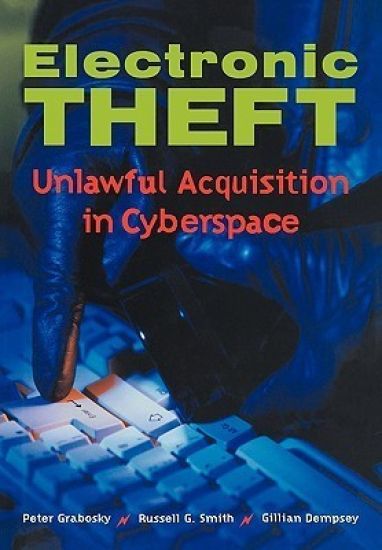
Electronic Theft

Electronic Theft

Peter Grabosky; Russell G. Smith; Gillian Dempsey

Cambridge University Press
2010
pokkari
When this book was first published in 2001, the convergence of communications and computing had begun to transform Western industrial societies. Increasing connectivity was accompanied by unprecedented opportunities for crimes of acquisition. The fundamental principle of criminology is that crime follows opportunity, and opportunities for theft abound in the digital age. Electronic Theft named, described and analysed the range of electronic and digital theft, and constituted the first major survey of the field. The authors covered a broad list of electronic misdemeanours, including extortion, defrauding governments, telephone fraud, securities fraud, deceptive advertising and other business practices, industrial espionage, intellectual property crimes, and the misappropriation and unauthorised use of personal information. They were able to capture impressively large amounts of data internationally from both scholarly and professional sources. The book posed and attempted to answer some of the pressing questions to do with national sovereignty and enforceability of laws in 2001.
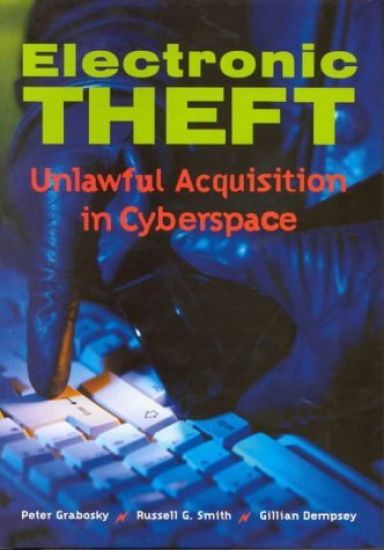
Electronic Theft

Electronic Theft

Peter Grabosky; Russell G. Smith; Gillian Dempsey

Cambridge University Press
2001
sidottu
The convergence of communications and computing has begun to transform Western industrial societies. Increasing connectivity is accompanied by unprecedented opportunities for crimes of acquisition. The fundamental principle of criminology is that crime follows opportunity, and opportunities for theft abound in the digital age. Electronic Theft names, describes and analyses the range of electronic and digital theft, and constitutes the first major survey of the field. The authors cover a broad list of electronic misdemeanours, including extortion, defrauding governments, telephone fraud, securities fraud, deceptive advertising and other business practices, industrial espionage, intellectual property crimes, and the misappropriation and unauthorised use of personal information. They have been able to capture impressively large amounts of data internationally from both scholarly and professional sources. The book poses and attempts to answer some pressing questions to do with national sovereignty and enforceability of laws.
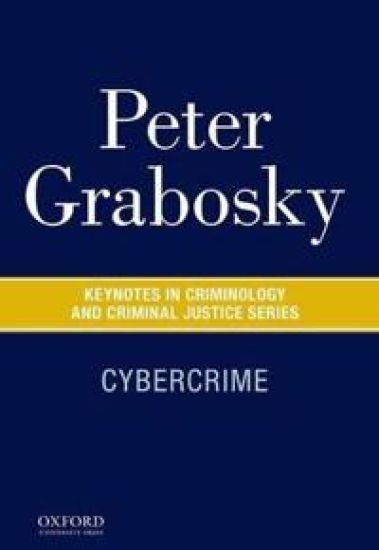
Cybercrime

Cybercrime

Peter Grabosky

Oxford University Press Inc
2015
nidottu
In this brief, accessible text, Peter Grabosky provides an introductory overview of cybercrime and the means for its control. He opens with a brief history of the topic and then discusses not only traditional topics--including fraud, hacking, offensive content, and piracy--but also neglected issues like state and state-sponsored cybercrime. About the Series Keynotes in Criminology and Criminal Justice provides essential knowledge on important contemporary matters of crime, law, and justice to a broad audience of readers. Each volume is written by a leading scholar in that area. Concise, accessible, and affordable, these texts are designed to serve either as primers around which courses can be built or as supplemental books for a variety of courses.
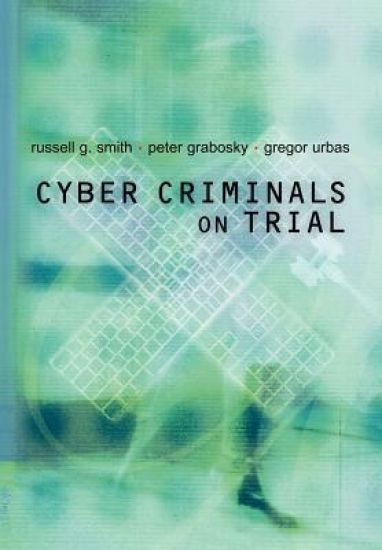
Cyber Criminals on Trial

Cyber Criminals on Trial

Russell G. Smith; Peter Grabosky; Gregor Urbas

Cambridge University Press
2011
pokkari
As computer-related crime becomes more important globally, both scholarly and journalistic accounts tend to focus on the ways in which the crime has been committed and how it could have been prevented. Very little has been written about what follows: the capture, possible extradition, prosecution, sentencing and incarceration of the cyber criminal. Originally published in 2004, this book provides an international study of the manner in which cyber criminals are dealt with by the judicial process. It is a sequel to the groundbreaking Electronic Theft: Unlawful Acquisition in Cyberspace by Grabosky, Smith and Dempsey (Cambridge University Press, 2001). Some of the most prominent cases from around the world are presented in an attempt to discern trends in the handling of cases, and common factors and problems that emerge during the processes of prosecution, trial and sentencing.
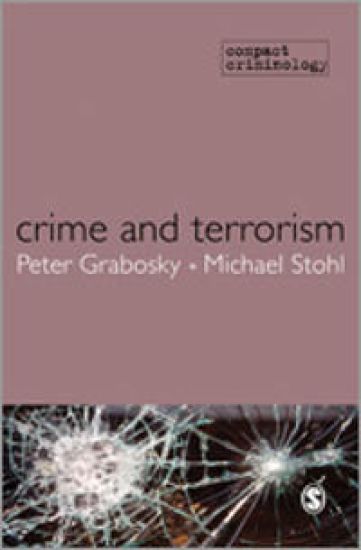
Crime and Terrorism

Crime and Terrorism

Peter Grabosky; Michael S. Stohl

SAGE Publications Ltd
2010
sidottu
Terrorism and crime are two areas of knowledge that have traditionally been looked at independently. In this timely and original text, two of the leading authors in the field provide a clear and thorough look at terrorism from a criminological perspective. Integrating the latest research, the book explores the motives of criminals and terrorists, the causes of crime and terrorism and the impact of the law and the legal system. Central to this exploration, the authors examine the nexus between criminal and terrorist organizations, and the commonalities and differences between them and what this means for public policy and safety and security within states. Cross-cultural and international in perspective, this is a fresh and original text that will appeal to undergraduates, academics, and researchers in criminology, politics, international relations, sociology, communication and cultural studies. Compact Criminology is an exciting series that invigorates and challenges the international field of criminology. Books in the series are short, authoritative, innovative assessments of emerging issues in criminology and criminal justice – offering critical, accessible introductions to important topics. They take a global rather than a narrowly national approach. Eminently readable and first-rate in quality, each book is written by a leading specialist. Compact Criminologyprovides a new type of tool for teaching, learning and research, one that is flexible and light on its feet. The series addresses fundamental needs in the growing and increasingly differentiated field of criminology.
Crime and Terrorism

Crime and Terrorism

Peter Grabosky; Michael S. Stohl

SAGE Publications Ltd
2010
nidottu
Terrorism and crime are two areas of knowledge that have traditionally been looked at independently. In this timely and original text, two of the leading authors in the field provide a clear and thorough look at terrorism from a criminological perspective. Integrating the latest research, the book explores the motives of criminals and terrorists, the causes of crime and terrorism and the impact of the law and the legal system. Central to this exploration, the authors examine the nexus between criminal and terrorist organizations, and the commonalities and differences between them and what this means for public policy and safety and security within states. Cross-cultural and international in perspective, this is a fresh and original text that will appeal to undergraduates, academics, and researchers in criminology, politics, international relations, sociology, communication and cultural studies. Compact Criminology is an exciting series that invigorates and challenges the international field of criminology. Books in the series are short, authoritative, innovative assessments of emerging issues in criminology and criminal justice – offering critical, accessible introductions to important topics. They take a global rather than a narrowly national approach. Eminently readable and first-rate in quality, each book is written by a leading specialist. Compact Criminology provides a new type of tool for teaching, learning and research, one that is flexible and light on its feet. The series addresses fundamental needs in the growing and increasingly differentiated field of criminology.
Lengthening the Arm of the Law

Lengthening the Arm of the Law

Julie Ayling; Peter Grabosky; Clifford Shearing

Cambridge University Press
2008
pokkari
Relentless fiscal pressures faced by the public police over the last few decades have meant that police organisations have had to find new ways to obtain and harness the resources needed to achieve their goals. Through entering into relationships of coercion, commercial exchange, and gift with a wide variety of external institutions and individuals operating in both public and private capacities, police organisations have risen to this challenge. Indeed, police organisations are increasingly operating within a business paradigm. But what are the benefits of these relationships and the nature of the risks that might accompany reliance upon them? This book examines these new modes of exchange between police and 'outsiders' and explores how far these relationships can be taken before certain fundamental values - equity in the distribution of policing, cost-effectiveness in the delivery of police services, and the legitimacy of the police institution itself - are placed in jeopardy.
Lengthening the Arm of the Law

Lengthening the Arm of the Law

Julie Ayling; Peter Grabosky; Clifford Shearing

Cambridge University Press
2008
sidottu
Relentless fiscal pressures faced by the public police over the last few decades have meant that police organisations have had to find new ways to obtain and harness the resources needed to achieve their goals. Through entering into relationships of coercion, commercial exchange, and gift with a wide variety of external institutions and individuals operating in both public and private capacities, police organisations have risen to this challenge. Indeed, police organisations are increasingly operating within a business paradigm. But what are the benefits of these relationships and the nature of the risks that might accompany reliance upon them? This book examines these new modes of exchange between police and 'outsiders' and explores how far these relationships can be taken before certain fundamental values - equity in the distribution of policing, cost-effectiveness in the delivery of police services, and the legitimacy of the police institution itself - are placed in jeopardy.
Cyber–Crime – The Challenge in Asia

Cyber–Crime – The Challenge in Asia

Rod Broadhurst; Peter Grabosky

Hong Kong University Press
2005
nidottu
This collection is innovative and original. It introduces new knowledge and is very timely because of the current high profile of the international public discourse over security, the internet and its impact upon the growth of the information economy.
Cyber Criminals on Trial

Cyber Criminals on Trial

Russell G. Smith; Peter Grabosky; Gregor Urbas

Cambridge University Press
2004
sidottu
As computer-related crime becomes more widespread globally, both scholarly and journalistic accounts tend to focus on the ways in which the crime has been committed and how it could have been prevented. Very little has been written about what follows: the capture, possible extradition, prosecution, sentencing and incarceration of the cyber criminal. This book provides the first international study of the manner in which cyber-criminals have been dealt with by the judicial process in recent times. Some of the most prominent cases from around the globe have been presented in an attempt to discern trends in the disposition of cases and common factors and problems that emerged during the processes of prosecution, trial and sentencing. This is a valuable resource for all those who seek to recall the facts of some of the world’s most famous prosecutions and to know the reasons why particular sentences were imposed.