Kirjojen hintavertailu. Mukana 12 595 353 kirjaa ja 12 kauppaa.
Kirjailija
Peter Harrison
Kirjat ja teokset yhdessä paikassa: 41 kirjaa, julkaisuja vuosilta 1990-2025, suosituimpien joukossa On Various Things in My Life. Vertaile teosten hintoja ja tarkista saatavuus suomalaisista kirjakaupoista.
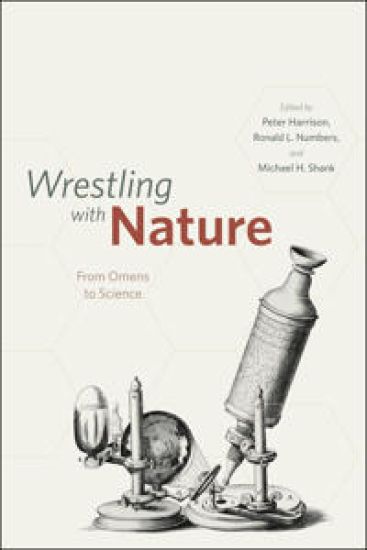
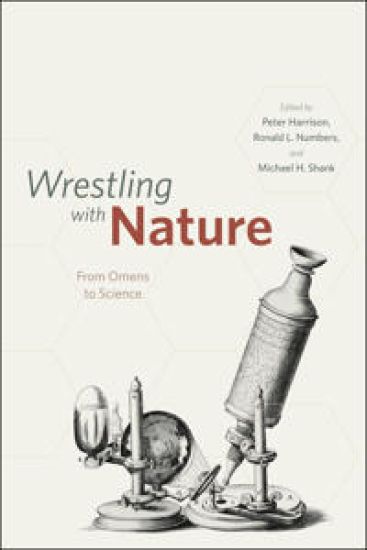
When and where did science begin? Historians have offered different answers to these questions, some pointing to Babylonian observational astronomy, some to the speculations of natural philosophers of ancient Greece. Others have opted for early modern Europe, which saw the triumph of Copernicanism and the birth of experimental science, while yet another view is that the appearance of science was postponed until the nineteenth century. Rather than posit a modern definition of science and search for evidence of it in the past, the contributors to "Wrestling with Nature" examine how students of nature themselves, in various cultures and periods of history, have understood and represented their work. The aim of each chapter is to explain the content, goals, methods, practices, and institutions associated with the investigation of nature and to articulate the strengths, limitations, and boundaries of these efforts from the perspective of the researchers themselves. With contributions from experts representing different historical periods and different disciplinary specializations, this volume offers a fresh perspective on the history of science and on what it meant, in other times and places, to wrestle with nature.
When and where did science begin? Historians have offered different answers to these questions, some pointing to Babylonian observational astronomy, some to the speculations of natural philosophers of ancient Greece. Others have opted for early modern Europe, which saw the triumph of Copernicanism and the birth of experimental science, while yet another view is that the appearance of science was postponed until the nineteenth century. Rather than posit a modern definition of science and search for evidence of it in the past, the contributors to "Wrestling with Nature" examine how students of nature themselves, in various cultures and periods of history, have understood and represented their work. The aim of each chapter is to explain the content, goals, methods, practices, and institutions associated with the investigation of nature and to articulate the strengths, limitations, and boundaries of these efforts from the perspective of the researchers themselves. With contributions from experts representing different historical periods and different disciplinary specializations, this volume offers a fresh perspective on the history of science and on what it meant, in other times and places, to wrestle with nature.
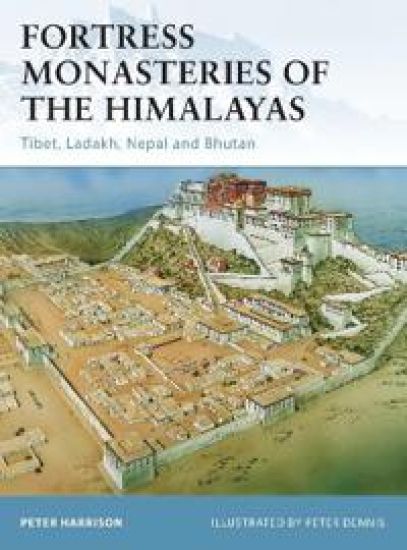
An illustrated guide to the development and operational history of the Tibetan-style fortified monasteries throughout the Himalayas.The spread of Buddhism and Tibetan secular power throughout the Himalayas led to a distinctive style of fortifications not found anywhere else. This book looks at Himalayan fortifications, from their creation in the Middle Ages to their destruction and capture by the Chinese in the 20th century.
An unofficial revision guide containing all you need to know for the Cambridge Pre-U Chemistry examinations. Written for the syllabus for examinations in 2013, 2014, and 2015.
This is a lively book of facts and stories with 10 step-by-step projects inspired by the Wild West. You can see inside a settler's wagon in a fantastic cross-section. It makes interesting reading for 8-12-year-olds at home and school, with over 200 evocative illustrations and photographs that bring the past to life. The story of the American West is one of bravery, hope and hard work, but it is also one of unhappiness and cruelty. This book vividly captures the atmosphere of the Wild West, with photographs from the times, images from the movies, and the real facts. You can discover what life was like for the pioneers who braved the journey across the wilderness, and the Native Americans who were confronted by the newcomers. You can find out what kinds of people went west, how they got there, where they lived, and how they earned their living. There are lots of practical projects to help you to understand this exciting period of history.
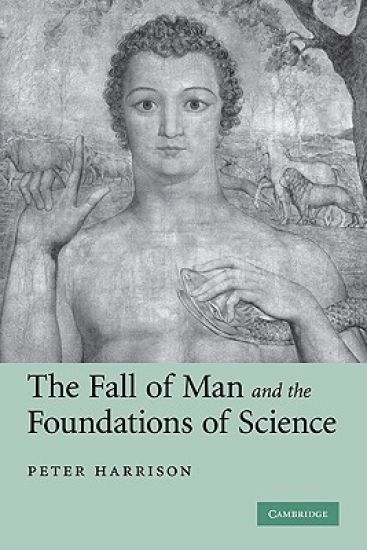
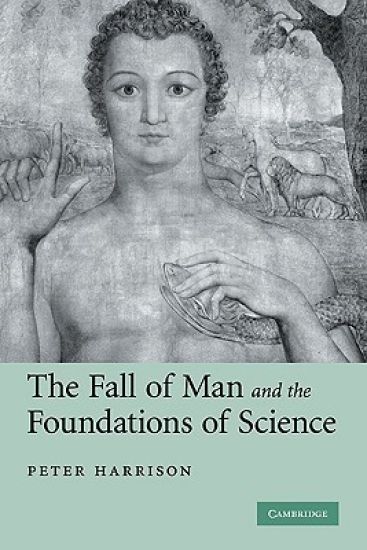
Peter Harrison provides an account of the religious foundations of scientific knowledge. He shows how the approaches to the study of nature that emerged in the sixteenth and seventeenth centuries were directly informed by theological discussions about the Fall of Man and the extent to which the mind and the senses had been damaged by that primeval event. Scientific methods, he suggests, were originally devised as techniques for ameliorating the cognitive damage wrought by human sin. At its inception, modern science was conceptualized as a means of recapturing the knowledge of nature that Adam had once possessed. Contrary to a widespread view that sees science emerging in conflict with religion, Harrison argues that theological considerations were of vital importance in the framing of the scientific method.
Peter Harrison provides an account of the religious foundations of scientific knowledge. He shows how the approaches to the study of nature that emerged in the sixteenth and seventeenth centuries were directly informed by theological discussions about the Fall of Man and the extent to which the mind and the senses had been damaged by that primeval event. Scientific methods, he suggests, were originally devised as techniques for ameliorating the cognitive damage wrought by human sin. At its inception, modern science was conceptualized as a means of recapturing the knowledge of nature that Adam had once possessed. Contrary to a widespread view that sees science emerging in conflict with religion, Harrison argues that theological considerations were of vital importance in the framing of the scientific method.
This study examines the changes which took place in the understanding of ‘religion’ and ‘the religions’ during the Enlightenment in England, the period when the decisive break with Patristic, Medieval and Renaissance notions of religion occurred. Dr Harrison’s view is that the principles of the English Enlightenment not only made a special contribution to our modern understanding of what religion is, but they pioneered, in addition, the ‘scientific’, or non-religious approach, to religious phenomena. During this period a crisis of authority in the Church necessitated a rational enquiry into the various forms of Christianity, and in addition, into the claims of all religions. This led to a concept of ‘religion’ (based on ‘natural’ theology) which could link together the apparently disparate religious beliefs and practices found in the empirical religions.
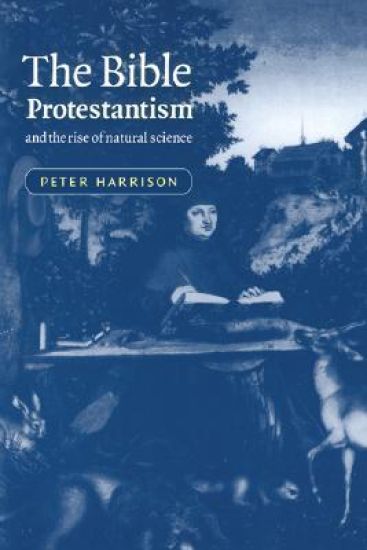
Peter Harrison examines the role played by the Bible in the emergence of natural science. He shows how both the contents of the Bible, and more particularly the way it was interpreted, had a profound influence on conceptions of nature from the third century to the seventeenth. The rise of modern science is linked to the Protestant approach to texts, an approach which spelt an end to the symbolic world of the Middle Ages and established the conditions for the scientific investigation and technological exploitation of nature.
Peter Harrison examines the role played by the Bible in the emergence of natural science. He shows how both the contents of the Bible, and more particularly the way it was interpreted, had a profound influence on conceptions of nature from the third century to the seventeenth. The rise of modern science is linked to the Protestant approach to texts, an approach which spelt an end to the symbolic world of the Middle Ages and established the conditions for the scientific investigation and technological exploitation of nature.