
Kirjailija
Peter Heath
Kirjat ja teokset yhdessä paikassa: 5 kirjaa, julkaisuja vuosilta 1992-2016, suosituimpien joukossa Line Dance Essentials. Vertaile teosten hintoja ja tarkista saatavuus suomalaisista kirjakaupoista.
5 kirjaa
Kirjojen julkaisuhaarukka 1992-2016.

This detailed study of the parish clergy in England on the Eve of the break with Rome is based on a wide variety of documentary sources, both ecclesiastical and secular, ranging from diocesan records to sworn evidence offered in litigation and acc
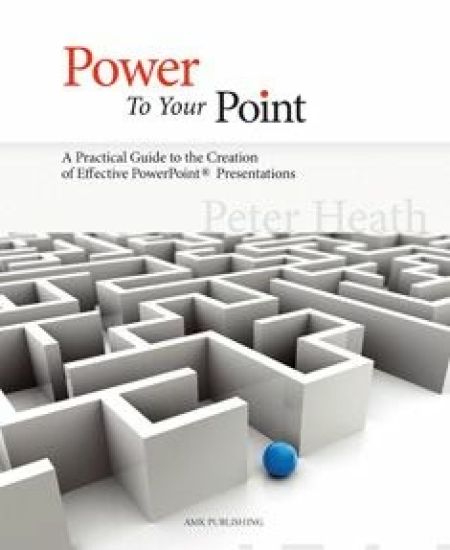
Power To Your Point -teos on opas ammattimaisten PowerPoint-esitysten tekemiseen. Kirjassa keskitytään erityisesti käytännön valmisteluihin, joita ammattimaisen esitelmän tekoon vaaditaan. Power To Your Point poikkeaa muista alan kirjoista siinä, että se opettaa lukijaa luomaan itse esityssarjan muotoilun ja layoutin, jotka eroavat radikaalisti ohjelman tarjoamista oletuksista. "Esitelty muotoilu PowerPoint-esityksiin on tuettu tutkimuksilla ja pohjautuu retoriikkaan sekä kognitiiviseen psykologiaan", kertoo kirjan kirjoittaja Peter Heath.

This detailed study of the parish clergy in England on the Eve of the break with Rome is based on a wide variety of documentary sources, both ecclesiastical and secular, ranging from diocesan records to sworn evidence offered in litigation and acc
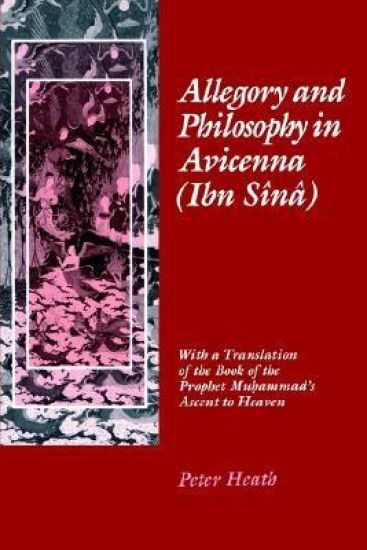
Allegory and Philosophy in Avicenna (Ibn Sînâ)
Peter Heath
University of Pennsylvania Press
1992
sidottu
Islamic allegory is the product of a cohesive literary tradition to which few contributed as significantly as Ibn Sina (Avicenna), the eleventh-century Muslim philosopher. Peter Heath here offers a detailed examination of Avicenna's contribution, paying special attention to Avicenna's psychology and poetics and to the ways in which they influenced strains of theological, mystical, and literary thought in subsequent Islamic-and Western-intellectual and religious history. Heath begins by showing how Avicenna's writings fit into the context and general history of Islamic allegory and explores the interaction among allegory, allegoresis, and philosophy in Avicenna's thought. He then provides a brief introduction to Avicenna as an historical figure. From there, he examines the ways in which Avicenna's cosmological, psychological, and epistemological theories find parallel, if diverse, expression in the disparate formats of philosophical and allegorical narration. Included in this book is an illustration of Avicenna's allegorical practice. This takes the form of a translation of the Mi'raj Nama (The Book of the Prophet Muhammad's Ascent to Heaven), a short treatise in Persian generally attributed to Avicenna. The text concludes with an investigation of the literary dimension Avicenna's allegorical theory and practice by examining his use of description metaphor. Allegory and Philosophy in Avicenna is an original and important work that breaks new ground by applying the techniques of modern literary criticism to the study of Medieval Islamic philosophy. It will be of interest to scholars and students of medieval Islamic and Western literature and philosophy.