Kirjojen hintavertailu. Mukana 12 595 353 kirjaa ja 12 kauppaa.

Kirjailija

Peter J. Kastor

Kirjat ja teokset yhdessä paikassa: 2 kirjaa, julkaisuja vuosilta 2011-2012, suosituimpien joukossa William Clark's World. Vertaile teosten hintoja ja tarkista saatavuus suomalaisista kirjakaupoista.

2 kirjaa

Kirjojen julkaisuhaarukka 2011-2012.

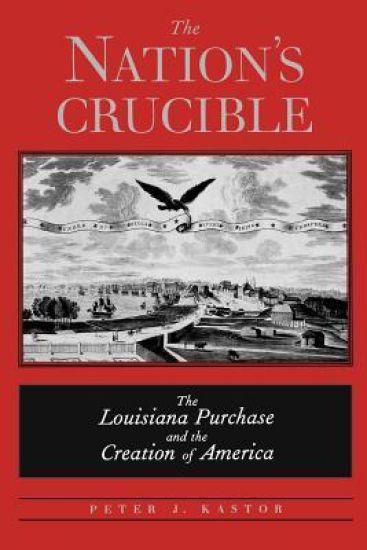
The Nation's Crucible

The Nation's Crucible

Peter J. Kastor

Yale University Press
2012
pokkari
In 1803 the United States purchased Louisiana from France. This seemingly simple acquisition brought with it an enormous new territory as well as the country’s first large population of nonnaturalized Americans—Native Americans, African Americans, and Francophone residents. What would become of those people dominated national affairs in the years that followed. This book chronicles that contentious period from 1803 to 1821, years during which people proposed numerous visions of the future for Louisiana and the United States.The Louisiana Purchase proved to be the crucible of American nationhood, Peter Kastor argues. The incorporation of Louisiana was among the most important tasks for a generation of federal policymakers. It also transformed the way people defined what it meant to be an American.
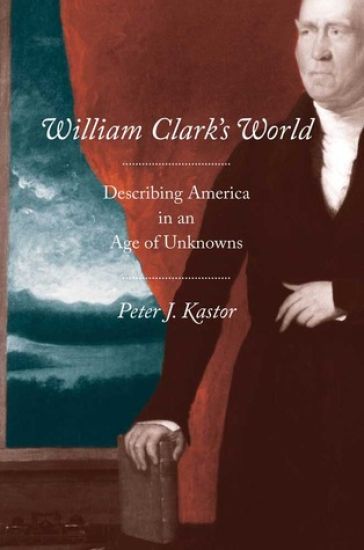
William Clark's World

William Clark's World

Peter J. Kastor

Yale University Press
2011
sidottu
William Clark, co-captain of the famous Lewis and Clark Expedition, devoted his adult life to describing the American West. But this task raised a daunting challenge: how best to bring an unknown continent to life for the young republic? Through Clark's life and career, this book explores how the West entered the American imagination. While he never called himself a writer or an artist, Clark nonetheless drew maps, produced books, drafted reports, surveyed landscapes, and wrote journals that made sense of the West for a new nation fascinated by the region’s potential but also fearful of its dangers. William Clark’s World presents a new take on the manifest destiny narrative and on the way the West took shape in the national imagination in the early nineteenth century.