Kirjojen hintavertailu. Mukana 12 390 323 kirjaa ja 12 kauppaa.

Kirjailija

Peter J. Phillips

Kirjat ja teokset yhdessä paikassa: 4 kirjaa, julkaisuja vuosilta 2016-2021, suosituimpien joukossa The Economics of Terrorism. Vertaile teosten hintoja ja tarkista saatavuus suomalaisista kirjakaupoista.

4 kirjaa

Kirjojen julkaisuhaarukka 2016-2021.

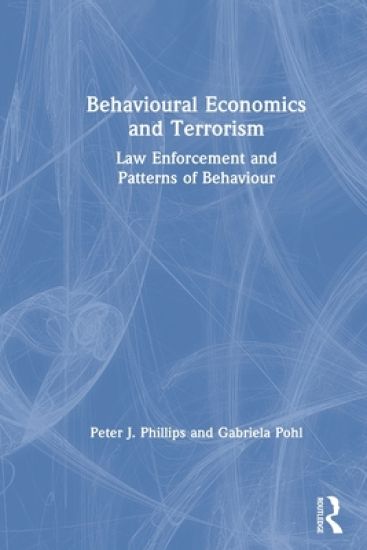
Behavioural Economics and Terrorism

Behavioural Economics and Terrorism

Peter J. Phillips; Gabriela Pohl

Routledge
2021
sidottu
Behavioural Economics and Terrorism can be used as a guide to help us think about thinking and, in doing so, to appreciate the deep quirkiness of human behaviour. Each day, people draw on their understanding of human behaviour. This takes place subconsciously for the most part but as situations become more complex it becomes necessary to think more deliberately about how people make their decisions. This book can be used to better understand human action in such contexts.In the high-stakes world of counter-terrorism, every angle of advantage is critical. From terrorists’ operational choices to the way that information flows through intelligence agencies, the book explains the patterns of behaviour that systematically shape human decision-making, for good and for bad.Decision-makers’ use of reference points, their loss aversion, overconfidence, goals and aspirations all shape their choices under conditions of risk and uncertainty. This book helps to shed light on how to use these concepts (and more) to develop deeper insights into the way in which terrorists think about their attack methods and targets.
Behavioural Economics and Terrorism

Behavioural Economics and Terrorism

Peter J. Phillips; Gabriela Pohl

Routledge
2021
nidottu
Behavioural Economics and Terrorism can be used as a guide to help us think about thinking and, in doing so, to appreciate the deep quirkiness of human behaviour. Each day, people draw on their understanding of human behaviour. This takes place subconsciously for the most part but as situations become more complex it becomes necessary to think more deliberately about how people make their decisions. This book can be used to better understand human action in such contexts.In the high-stakes world of counter-terrorism, every angle of advantage is critical. From terrorists’ operational choices to the way that information flows through intelligence agencies, the book explains the patterns of behaviour that systematically shape human decision-making, for good and for bad.Decision-makers’ use of reference points, their loss aversion, overconfidence, goals and aspirations all shape their choices under conditions of risk and uncertainty. This book helps to shed light on how to use these concepts (and more) to develop deeper insights into the way in which terrorists think about their attack methods and targets.
The Economics of Terrorism

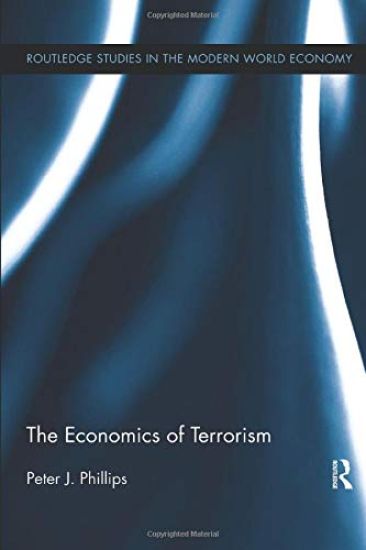
The Economics of Terrorism

Peter J. Phillips

Routledge
2017
nidottu
Brutality is the defining characteristic of terrorism. It is despairing to learn that this brutality is the outcome of purposeful, rational, human behaviour. In this purposefulness, however, there lies the key to the interpretation, explanation and understanding of terrorist behaviour. Ultimately, it is in this purposefulness that we shall also find the key to overcoming terrorism. Economic analysis highlights this purposefulness, this rationality, and in doing so provides a different perspective from which to approach the threat of terrorism and the task of pre-empting and pursuing its perpetrators. This book develops this economic perspective within a series of important contexts, each characterised by particular types of terrorist behaviour, choices and strategies.The Economics of Terrorism brings new insights on how to deal with such challenges as the terrorist group’s choice of attack method and target location, terrorist financing and ‘copycat’ behaviour.
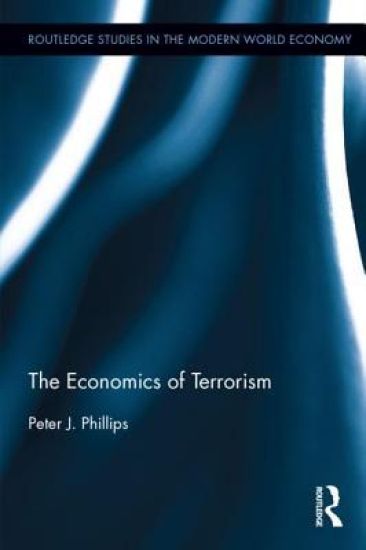
The Economics of Terrorism

The Economics of Terrorism

Peter J. Phillips

Routledge
2016
sidottu
Brutality is the defining characteristic of terrorism. It is despairing to learn that this brutality is the outcome of purposeful, rational, human behaviour. In this purposefulness, however, there lies the key to the interpretation, explanation and understanding of terrorist behaviour. Ultimately, it is in this purposefulness that we shall also find the key to overcoming terrorism. Economic analysis highlights this purposefulness, this rationality, and in doing so provides a different perspective from which to approach the threat of terrorism and the task of pre-empting and pursuing its perpetrators. This book develops this economic perspective within a series of important contexts, each characterised by particular types of terrorist behaviour, choices and strategies.The Economics of Terrorism brings new insights on how to deal with such challenges as the terrorist group’s choice of attack method and target location, terrorist financing and ‘copycat’ behaviour.