Kirjojen hintavertailu. Mukana 12 595 353 kirjaa ja 12 kauppaa.

Kirjailija

Peter Pringle

Kirjat ja teokset yhdessä paikassa: 10 kirjaa, julkaisuja vuosilta 1980-2023, suosituimpien joukossa S.I.O.P.. Vertaile teosten hintoja ja tarkista saatavuus suomalaisista kirjakaupoista.

10 kirjaa

Kirjojen julkaisuhaarukka 1980-2023.

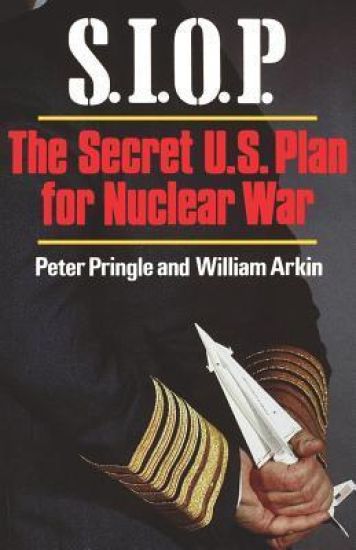
S.I.O.P.

S.I.O.P.

Peter Pringle; William Arkin

WW NORTON CO
1980
nidottu
How was it put together? Who decides what targets to hit and why? When and where would it be put into action? Using recently declassified documents and interviews with government officials and military planners, the authors have pieced together an absorbing history of the Pentagon's most secret war plan. They have unraveled the huge, hidden network of satellites, computers, radar, and microwave links that gathers intelligence on the Soviet Union and would help to execute the S.I.O.P. in time of war. They compare Washington's rhetoric to the cold reality of the actual war plans on the shelves at Strategic Air Command and at Navy headquarters, and the result is a fascinating study of military realities and political deception. Finally, they expose a new facet of the arms race in President Reagan's nuclear proposals--the outlay of billions of dollars for new communications systems and underground bunkers so that the United States can fight an extended nuclear war. These proposals, the authors contend, will dangerously erode the traditional civilian control over the firing of nuclear weapons.
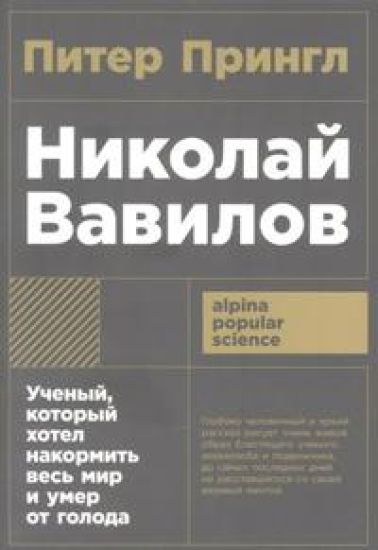
Nikolaj Vavilov: Uchenyj, kotoryj khotel nakormit ves mir i umer ot goloda
Naibolee polnaja istorija zhizni i nauchnoj raboty velikogo selektsionera, biologa, genetika, organizatora nauki Nikolaja Vavilova. Avtor, opirajas na nedavno otkrytye arkhivnye dokumenty, lichnuju i ofitsialnuju perepisku, jarkie otchety ob ekspeditsijakh, ranee ne publikovavshiesja semejnye pisma i dnevniki, a takzhe vospominanija ochevidtsev, naibolee polno i kinematografichno vossozdaet khod sobytij i portrety geroev. Kniga soderzhit redkie arkhivnye foto. Odin iz velichajshikh uchenykh XX veka Nikolaj Vavilov mechtal pokonchit s golodom v mire, no v 1943 g. sam umer ot goloda v saratovskoj tjurme. Pioner otechestvennoj genetiki, neutomimyj i neunyvajuschij okhotnik za rastenijami stal zhertvoj ideologizatsii stalinskoj nauki. Ne pasovavshij ni pered nauchnymi trudnostjami, ni pered slozhnejshimi ekspeditsijami v samye dikie ugolki Zemli, Nikolaj Vavilov ne smog nichego protivopostavit naporu tsinichnogo demagoga-konjunkturschika Trofima Lysenko. Chistka genetikov otbrosila otechestvennuju nauku na tseloe pokolenie nazad i nanesla strane ogromnyj vred. Vossozdavaja istoriju togo, kak velichajshaja gumanitarnaja missija privela Nikolaja Vavilova k golodnoj smerti, Piter Pringl opiralsja na nedavno otkrytye arkhivnye dokumenty, lichnuju i ofitsialnuju perepisku, jarkie otchety ob ekspeditsijakh, ranee ne publikovavshiesja semejnye pisma i dnevniki, a takzhe vospominanija ochevidtsev. Gluboko chelovechnyj i jarkij rasskaz risuet ochen zhivoj obraz blestjaschego uchenogo, zhizneljuba i podvizhnika, do samykh poslednikh dnej ne rasstavshegosja so svoej velikoj mechtoj. Tsitaty: "Uzhe v te rannie dni ego edinstvennoj strastju byla nauka: "Khochu strastno nauki. Ljublju ee. V nej tsel zhizni. V nej odnoj mozhno ispytyvat entuziazm". I nauka dolzhna sluzhit uluchsheniju zhizni na Zemle. Vazhno ne "predavatsja utopizmu. Brat v zhizni vse, chto tolko mozhet dostavit tebe radost, spokojstvie chuvstva i razuma". On neskolko raz prizyvaet samogo sebja rabotat ne otvlekajas: "Nelzja razbrasyvatsja. Nado na chem-nibud sosredotochitsja".""Vkhodivshij v nauchnuju elitu Vavilov byl dejstvitelno iskljuchitelnym chelovekom v tom, kak pomogal svoim kollegam, molodym i pozhilym - tem, chju rabotu schital zasluzhivajuschej podderzhki. On byl gotov okazat sodejstvie tem, kto projavljal takie zhe fenomenalnye kachestva, kak i on sam: energichnost, entuziazm, originalnost myshlenija i trudoljubie. On byl vzyskatelen i nastaival na strogom nauchnom analize i proverke dannykh. Vavilov priglashal sobesednikov k nauchnoj diskussii, no ne k vrazhde; prosil vyskazyvat alternativnye teorii, a ne ustraivat svary. So vremenem on postaralsja bylo poznakomit Michurina s genetikoj, no tot libo ne mog, libo ne khotel postigat novuju nauku. Ivan Vladimirovich bolshe poloviny veka rabotal sobstvennymi kustarnymi metodami i ne imel zhelanija ikh menjat. Vavilov sdelal iskljuchenie dlja sadovnika preklonnykh let v gorode Kozlove. Kak-nikak, tot byl chelovekom drugogo pokolenija.""Rechi dlja Lysenko pisal ego jazvitelnyj politicheskij opekun Isaak Prezent, no zachityval ikh Lysenko masterski. On otlichno znal, kogda i chem zakhvatit vnimanie Stalina. Reshenie problem sovetskogo narodnogo khozjajstva obespechat kolkhoznyj stroj i "massy kolkhoznikov", a ne "nekotorye professora", uverjal Lysenko. Prakticheskie reshenija, takie kak ego sobstvennaja jarovizatsija, i initsiativa obychnykh, plokho obrazovannykh kolkhoznikov, takikh kak on sam, dast kolkhoznomu krestjanstvu shans projavit sebja. Izvinjajas za nedostatok znanij, Lysenko zavershil vystuplenie v Kremle, podcherknuv raznitsu mezhdu samim soboj i uchenymi-teoretikami. On ne pisatel, on ne orator, zajavil on skromno: ". ja tolko jarovizator". Imenno v etot moment Stalin vskochil s mesta i vykriknul svoe odobrenie, a kremlevskaja auditorija razrazilas burnymi aplodismentami.""13 avgusta Sergej Vavilov pisal v dnevnike: "Sam on sejchas vo Lvove. Znachit, grjanet arest, znachit, rushitsja bolshaja nuzhnaja zhizn, ego i blizkikh! Za chto? Vsju zhizn neustannaja, beshenaja rabota dlja rodnoj strany, dlja naroda. Vsja zhizn v rabote, nikakikh drugikh uvlechenij. Neuzhto eto bylo ne vidno i ne jasno vsem?
Electronic Media Management, Revised

Electronic Media Management, Revised

Peter Pringle; Michael F Starr

Routledge
2015
sidottu
The fifth edition of a classic text features important updates that reflect the enormous changes that have taken place in recent years - the Internet as an important information transmission format that is here to stay and convergence among media. This edition features thorough discussions on the Internet and convergence, as well as reflects the latest information on broadcast and cable regulations and policies. It also includes a fresh batch of case studies, and study questions. As in previous editions, this book also covers management theory, audience analysis, broadcast promotion, and marketing.
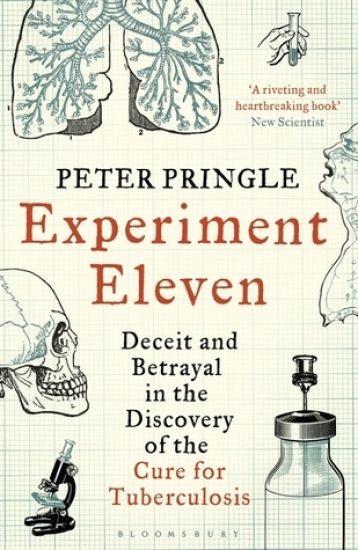
Experiment Eleven

Experiment Eleven

Peter Pringle

Bloomsbury Publishing PLC
2013
nidottu
The remarkable story of a wonder drug, a disputed Nobel Prize, and a patent that shaped modern medicine'The story of Experiment Eleven is amazing, as is its brilliant reporting, narrative verve and cool command of scientific ideas' Sylvia Nasar, author of A Beautiful Mind'A riveting and heartbreaking book' New ScientistIn 1943, Albert Schatz, a young American Ph.D. student working in professor Selman Waksman's lab, was searching for an antibiotic to fight infections on the front lines and at home. On his eleventh experiment on a common bacterium found in farmyard soil, Schatz discovered streptomycin, the first effective cure for tuberculosis, at that time the leading killer among the world's infectious diseases.As director of Schatz's research, Waksman took credit for the discovery, belittled Schatz's work, and secretly enriched himself with royalties from the streptomycin patent filed by Merck, the pharmaceutical company. Acclaimed author and journalist Peter Pringle unravels the intrigue behind one of the most important discoveries in the history of medicine.
About Time

About Time

Peter Pringle

Nonsuch Publishing
2012
nidottu
Law and justice are not always one and the same. On the 27 November 1980, Peter Pringle waited in an Irish court to hear the following words: ‘Peter Pringle, for the crime of capital murder … the law prescribes only one penalty, and that penalty is death.’ The problem was that Peter did not commit this crime. Facing a sentence of death by hanging, Peter sought the inner strength and determination to survive. When his sentence was changed to forty years without remission he set out to prove his innocence. Fifteen years later, he is finally a free man. This is his story.
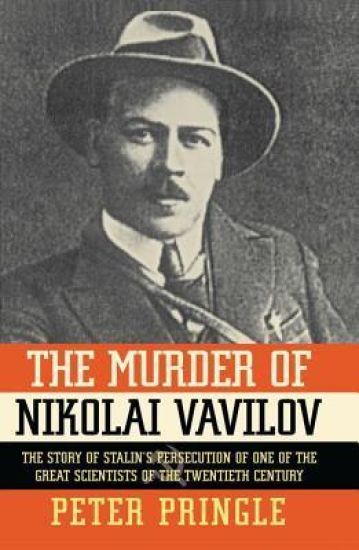
Murder of Nikolai Vavilov

Murder of Nikolai Vavilov

Peter Pringle

Simon Schuster
2011
nidottu
In "The Murder of Nikolai Vavilov," acclaimed journalist and author Peter Pringle recreates the extraordinary life and tragic end of one of the great scientists of the twentieth century. In a drama of love, revolution, and war that rivals Pasternak's "Dr. Zhivago," Pringle tells the story of a young Russian scientist, Nikolai Vavilov, who had a dream of ending hunger and famine in the world. Vavilov's plan would use the emerging science of genetics to breed super plants that could grow anywhere, in any climate, in sandy deserts and freezing tundra, in drought and flood. He would launch botanical expeditions to find these vanishing genes, overlooked by early farmers ignorant of Mendel's laws of heredity. He called it a "mission for all humanity." To the leaders of the young Soviet state, Vavilov's dream fitted perfectly into their larger scheme for a socialist utopia. Lenin supported the adventurous Vavilov, a handsome and seductive young professor, as he became an Indiana Jones, hunting lost botanical treasures on five continents. In a former tsarist palace in what is now St. Petersburg, Vavilov built the world's first seed bank, a quarter of a million specimens, a magnificent living museum of plant diversity that was the envy of scientists everywhere and remains so today. But when Lenin died in 1924 and Stalin took over, Vavilov's dream turned into a nightmare. This son of science was from a bourgeois background, the class of society most despised and distrusted by the Bolsheviks. The new cadres of comrade scientists taunted and insulted him, and Stalin's dreaded secret police built up false charges of sabotage and espionage. Stalin's collectivization of farmland caused chaos in Soviet food production, and millions died in widespread famine. Vavilov's master plan for improving Soviet crops was designed to work over decades, not a few years, and he could not meet Stalin's impossible demands for immediate results. In Stalin's Terror of the 1930s, Russian geneticists were systematically repressed in favor of the peasant horticulturalist Trofim Lysenko, with his fraudulent claims and speculative theories. Vavilov was the most famous victim of this purge, which set back Russian biology by a generation and caused the country untold harm. He was sentenced to death, but unlike Galileo, he refused to recant his beliefs and, in the most cruel twist, this humanitarian pioneer scientist was starved to death in the gulag. Pringle uses newly opened Soviet archives, including Vavilov's secret police file, official correspondence, vivid expedition reports, previously unpublished family letters and diaries, and the reminiscences of eyewitnesses to bring us this intensely human story of a brilliant life cut short by anti-science demagogues, ideology, censorship, and political expedience.
Day of the Dandelion

Day of the Dandelion

Peter Pringle

Pocket Books
2010
pokkari
Seeds of a new corn plant are stolen from Oxford University's botany lab, and the professor, Alastair Scott, and his Russian assistant, Tanya Petrovskaya, are missing. Alarms ring in London and Washington, where intelligence officials know that Scott was working on a supergene that could allow control over the world's entire food supply. The British government calls in Arthur Hemmings from the Royal Botanic Gardens at Kew. To his coworkers, Hemmings is just another researcher in the herbarium, but for many years he has been a secret service agent, an outwardly rumpled but dashing covert adventurer. Officials see a Moscow plot. Has Scott been kidnapped? Is he dead? Have Scott and Tanya fled to Russia? And why is Oxford's vice-chancellor withholding vital information? The intrepid Hemmings follows a series of clues into the cutthroat world of international patents, where the hunt for priceless genes is always nasty and often deadly. In Arthur Hemmings, Pringle has created an original heartbreaker of a hero, a botanist detective with a dash of James Bond. Facing murderous threats, Hemmings investigates fearlessly and with devastating precision. Handsome, witty, an ambitious cook, and a wine lover, he is irresistible to a much younger American female researcher. "Day of the Dandelion" is a seductive modern hybrid of the thrillers of Graham Greene and the adventure novels of Ian Fleming, filled with political, scientific, and commercial intrigue, and laced with miracle plants, deadly toxins, kidnappings, and car chases. It will keep the reader in suspense and amused from prelude to postscript.
Electronic Media Management, Revised

Electronic Media Management, Revised

Peter Pringle; Michael F Starr

Focal Press
2006
nidottu
The fifth edition of a classic text features important updates that reflect the enormous changes that have taken place in recent years - the Internet as an important information transmission format that is here to stay and convergence among media. This edition features thorough discussions on the Internet and convergence, as well as reflects the latest information on broadcast and cable regulations and policies. It also includes a fresh batch of case studies, and study questions. As in previous editions, this book also covers management theory, audience analysis, broadcast promotion, and marketing.
Food.Inc.: Mendel to Monsanto-The Promises and Perils of the Biotech Harvest
For most people the global war over genetically modified foods is a distant and confusing one. A handful of corporate 'life sciences' giants, such as Monsanto, are pitted against a worldwide network of anticorporate ecowarriors like Greenpeace. The companies claim to be leading a new agricultural revolution that will save the world with crops modified to survive frost, drought, pests, and plague. The greens warn that 'playing God' with plant genes is dangerous. It could create new allergies, upset ecosystems, destroy biodiversity, and produce uncontrollable mutations. In FOOD, INC., acclaimed journalist Peter Pringle shows how both sides in this overheated conflict have made false promises, engaged in propaganda science, and indulged in fear-mongering. In this urgent dispatch, he suggests that a fertile partnership between consumers, corporations, scientists, and farmers could still allow the biotech harvest to reach its full potential in helping to overcome the problem of world hunger, providing nutritious food and keeping the environment healthy.
Those Are Real Bullets, Aren't They?

Those Are Real Bullets, Aren't They?

Peter Pringle; Philip Jacobson

HARPERCOLLINS PUBLISHERS
2001
pokkari
An iconic event in modern Irish history is, for the first time, narrated in directly human terms. Who were the people who marched, who fired from the flats, the barricades, who died? In brilliant narrative form a modern myth is unfolded and revealed fully, and so tells the story of the recent history of the armed struggle in Ireland.