

Kirjailija
Peter Read
Kirjat ja teokset yhdessä paikassa: 13 kirjaa, julkaisuja vuosilta 1996-2023, suosituimpien joukossa Zone. Vertaile teosten hintoja ja tarkista saatavuus suomalaisista kirjakaupoista.
13 kirjaa
Kirjojen julkaisuhaarukka 1996-2023.
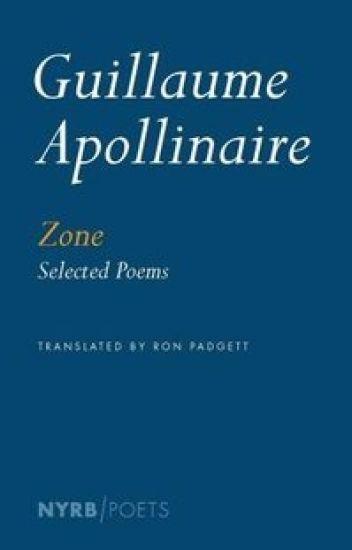
Zone is the fruit of poet-translator Ron Padgett's fifty-year engagement with the work of France's greatest modern poet. This bilingual edition of Apollinaire's poetry represents the full range of his achievement from traditional lyric verse to the pathbreaking visual poems he called calligrams, from often-anthologized classics to hitherto-untranslated gems, from poems of cosmic breadth to a poem about his shoes. Including an introduction by the distinguished scholar Peter Read, helpful endnotes, a preface, and an annotated bibliography by Padgett, this new edition of Apollinaire stands out not only for its compact and judicious selection of the essential poems but also as the work of an important American poet. The Washington Post has said, "No praise can be too high for Ron Padgett's translations."
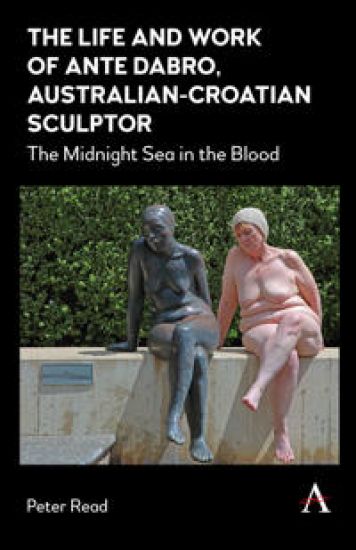
Why does a highly skilled and highly trained sculptor, the master of every style and technique, insist on working in the style of the Italian Renaissance? The answer is that to Dabro, every sculpture must speak to humanity, which means that it must be an element of humanity. If it does not, the sculptor has failed. Working with female models throughout his long life, he has sought to portray an essence of femininity, and therefore an essence of humanity. Ante Dabro believes that the ability to see what other people don’t see is a real gift. He says, ‘It’s like a star wheeling round the earth, fertilising the imagination as it goes.’ This book explores the different ways he has liberated an essence of humanity by releasing the soul of a human form from its imprisoning substance, whether it be from wood, marble, stone or plaster. The author, one of Australia’s best known historians and biographers, like Dabro, wants our imaginations to soar and rejoice in the creative spirit which has driven his sculptures for more than 60years.
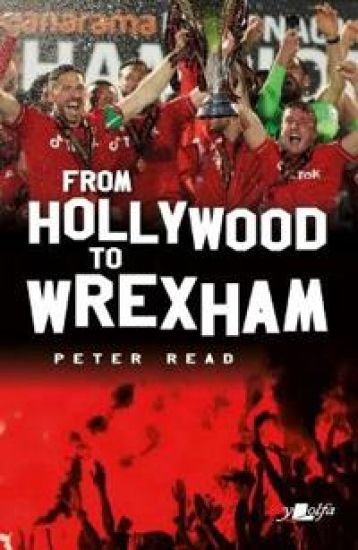
Ryan Reynolds and Rob McElhenney's TV series about their shock buyout of Wrexham AFC has propelled the team to unimaginable new popularity. Lifelong fan Peter Read looks at his own obsessive support, the club's history, and developments over the first two seasons under the Hollywood stars.
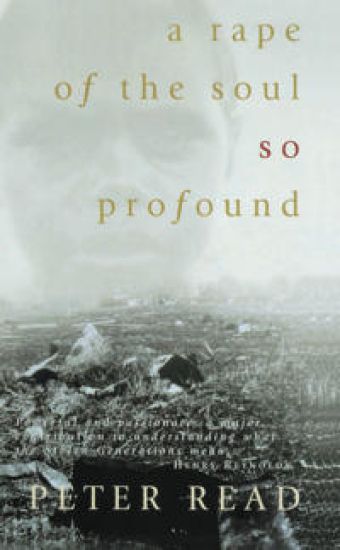
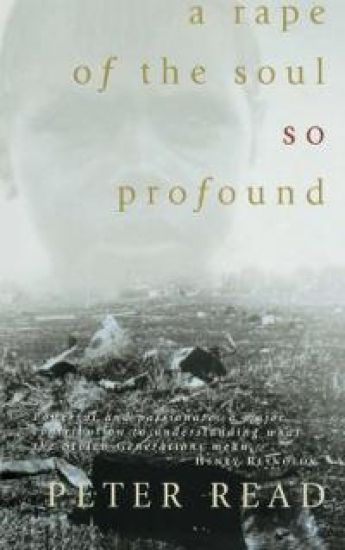
A Rape of the Soul So Profound began when a young researcher accidentally came upon restricted files in an archives collection. What he read overturned all his assumptions about an important part of Aboriginal experience and Australia's past. The book ends in the present, 20 years later, in the aftermath of the Royal Commission on the Stolen Generations. Along the way Peter Read investigates how good intentions masked policies with inhuman results. He tells the poignant stories of many individuals, some of whom were forever broken and some who went on to achieve great things. This is a book about much sorrow and occasional madness, about governments who pretended things didn't happen, and about the opportunities offered to right a great wrong.

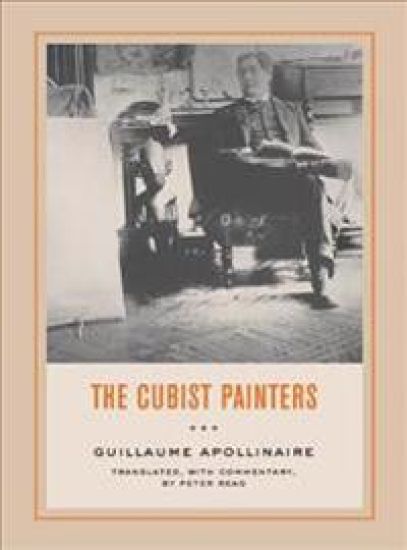
Guillaume Apollinaire's only book on art, The Cubist Painters, was first published in 1913. This essential text in twentieth-century art presents the poet and critic's aesthetic meditations on nine painters: Pablo Picasso, Georges Braque, Jean Metzinger, Albert Gleizes, Marie Laurencin, Juan Gris, Fernand Leger, Francis Picabia, and Marcel Duchamp. As Picasso's closest friend and Marie Laurencin's lover, Apollinaire witnessed the development of Cubism firsthand. This collection of essays and reviews, written between 1905 and 1912, is a milestone in the history of art criticism, valued today as both a work of reference and a classic example of modernist creative writing. In addition to a faithful and fluid translation of Apollinaire's text, Peter Read provides his own scholarly analysis of its importance in the history of modernism. He examines Apollinaire's art criticism, his relationship to the Cubist movement, and, more specifically, the genesis of Cubist Painters through its various revisions and proofs. Supported by all forty-five plates from the original edition, this new volume brings Apollinaire's vitality and vision to life for a new generation.
This book tackles head on the existance and meaning of spirit forces in Australia. It poses the question is Australia hunated? If so Where and with what? Starting with the notion that local places are special, the author spends the night in a cemetry and explores the ideas of where we get our most basic beliefs.
This extraordinary book explores the feelings of non-Aboriginal Australians as they articulate their sense of belonging to the land. Always acting as a counterpoint is the prior occupation and ownership by Aboriginal people and their spiritual attachment. Peter Read asks the pivotal questions: What is the meaning of places important to non-Aboriginal Australians from which the indigenous people have already been dispossessed? How are contemporary Australians thinking through the problem of knowing that their places of attachment are also the places which Aboriginals loved - and lost? And are the sites of all our deep affections to be contested, articulated, shared, foregone or possessed absolutely? The book cleverly interweaves Read’s analysis (and personal quest for belonging) with the voices of poets, musicians, artists, historians, young people, Asian Australians, farmers and seventh generation Australians.
This extraordinary book, published in 2000, explores the feelings of non-Aboriginal Australians as they articulate their sense of belonging to the land. Always acting as a counterpoint is the prior occupation and ownership by Aboriginal people and their spiritual attachment. Peter Read asks the pivotal questions: what is the meaning of places important to non-Aboriginal Australians from which the indigenous people have already been dispossessed? How are contemporary Australians thinking through the problem of knowing that their places of attachment are also the places which Aboriginals loved - and lost? And are the sites of all our deep affections to be contested, articulated, shared, foregone or possessed absolutely? The book cleverly interweaves Read's analysis (and personal quest for belonging) with the voices of poets, musicians, artists, historians, young people, Asian Australians, farmers and seventh generation Australians.
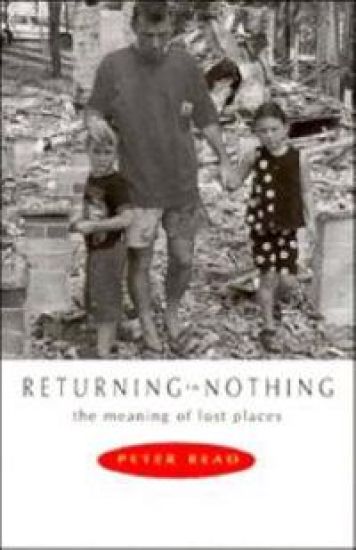
This book examines what it means to lose a place forever and why we return, and keep on returning, to these places so large in our memories. It considers many lost towns, suburbs and homes: Darwin after Cyclone Tracy, the flooding of the town of Adaminaby in NSW, the inundation of Lake Pedder in Tasmania, bushfire at Macedon in Victoria, migration from other countries, the clearing of neighborhoods for freeways and the everyday circumstances that force people from their land. It establishes how important the places we live in are, and how much we grieve when we lose them.
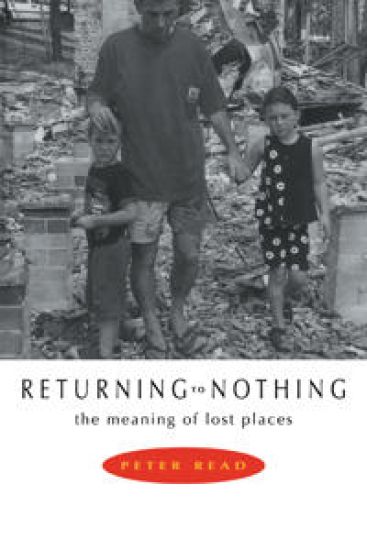
Feelings about lost or destroyed places rouse our deepest emotions. Losing a home or a suburb or leaving a homeland can be like losing a loved one. This book examines what it means to lose a place forever and why we return, and keep on returning, to these places so large in our memories. It considers many lost towns, suburbs, and homes: Darwin after Cyclone Tracy, the flooding of the town of Adaminaby in New South Wales, the inundation of Lake Pedder in Tasmania, bushfire at Macedon in Victoria, migration from other countries, the clearing of neighbourhoods for freeways and the everyday circumstances which force people from their land. Peter Read establishes how important the places we live in are, and how much we grieve when we lose them. It tells a human story, which is disturbing, poetic, and often inspiring. Everyone who has lost a place of importance to them will find it unforgettable.