Kirjojen hintavertailu. Mukana 12 174 928 kirjaa ja 12 kauppaa.

Kirjailija

Peter Ronayne

Kirjat ja teokset yhdessä paikassa: 2 kirjaa, julkaisuja vuosilta 2001-2018, suosituimpien joukossa The Toxic Boss Survival Guide Tactics for Navigating the Wilderness at Work. Vertaile teosten hintoja ja tarkista saatavuus suomalaisista kirjakaupoista.

2 kirjaa

Kirjojen julkaisuhaarukka 2001-2018.

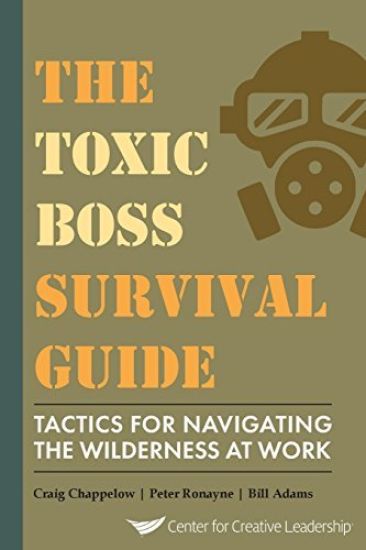
The Toxic Boss Survival Guide Tactics for Navigating the Wilderness at Work

The Toxic Boss Survival Guide Tactics for Navigating the Wilderness at Work

Craig Chappelow; Peter Ronayne; Bill Adams

Center for Creative Leadership
2018
pokkari
What could you learn from a downed pilot struck behind enemy lines, a hiker lost on the Appalachian trail, or townspeople prepping for the zombie apocalypse? If you currently work for a toxic boss, the answer is A LOT. Your wilderness work calls for a strategy, and what you need in your pocket is this Guide (yes, it is pocket sized).Built on research from the Center for Creative Leadership's Toxic Boss Project and written with a refreshing blend of humor as well as serious tips, The Toxic Boss Survival Guide is based on the experience of employees working in a wide variety of organizations. It identifies the six most common toxic bosses, describes the mindset you need to endure, and outlines a tactic-rich approach based on wilderness survival principles and the US Air Force's SERE School, including how to survive, evade, resist, and escape.
Never Again?

Never Again?

Joel H. Rosenthal; Peter Ronayne

Rowman Littlefield Publishers
2001
nidottu
Peter Ronayne's Never Again? provides the reader with a provocative and comprehensive first look at American foreign policy as it relates to the prevention and punishment of genocide since the Holocaust. In the aftermath of World War II the United States and the world pledged to "never again" allow genocidal atrocities. Never Again? reveals that too often this bold promise has been a failed promise. The book chronicles how the United States has repeatedly missed opportunities or "ethical leadership moments" to stand up for human rights and save hundreds of thousands of lives when faced with genocide in Cambodia, Bosnia and Rwanda. At the same time, Ronayne explores how the U.S. has taken important action to bring about justice in the aftermath of genocidal crimes, despite its initial reluctance to even ratify the Genocide Convention. From this dual record of striking failures and important accomplishments emerge provocative questions about the United States' leadership on the world stage, global ethics and morality, and America's commitment to genocide prevention and punishment in the 21st century.