Kirjojen hintavertailu. Mukana 12 657 676 kirjaa ja 12 kauppaa.
Kirjailija
Peter Sander
Kirjat ja teokset yhdessä paikassa: 8 kirjaa, julkaisuja vuosilta 1997-2017, suosituimpien joukossa 101 Things Everyone Should Know About Economics. Vertaile teosten hintoja ja tarkista saatavuus suomalaisista kirjakaupoista.
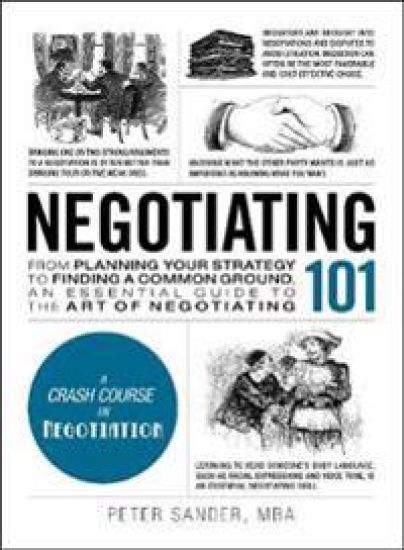
A quick-and-easy guide to core business and career concepts—no MBA required! The ability to negotiate a deal. Confidence to oversee staff. Complete, accurate monitoring of expenses. In today’s business world, these are must-have skills. But all too often, comprehensive business books turn the important details of best practices into tedious reading that would put even a CEO to sleep. From hiring and firing to strategizing and calculating revenues, Negotiating 101 is an easy-to-understand roadmap of today’s complex business world, packed with hundreds of entertaining tidbits and concepts that can’t be found anywhere else. So whether you’re a new business owner, a middle manager, or an entry-level employee, this 101 series has the answers you need to conduct business in a smarter way.
MONEY-SAVING SECRETS TO LIVING THE FREE LIFE From AAA and AARP, to Wal-Mart and beyond, The Free Stuff for Everyone Book is your go-to guide for how to find the best deals, discounts, and free offers so you can keep more of your hard-earned cash in your pocket. Whether you’re a bargain hunter, retiree, proud cheapskate, student or anyone on a limited budget, consumer finance expert and best-selling author Peter Sander shows you how to find free products, services, gift, rebates and incredible bargains quickly and easily. You’ll discover deals on: Free EntertainmentIncredible Travel BargainsFree Healthcare InformationPrescription Medicine DiscountsFree Financial, Investment and Tax AdviceFree Educational OpportunitiesSports, Fitness, and Exercise BargainsBook and Magazine OffersAnd much much more!
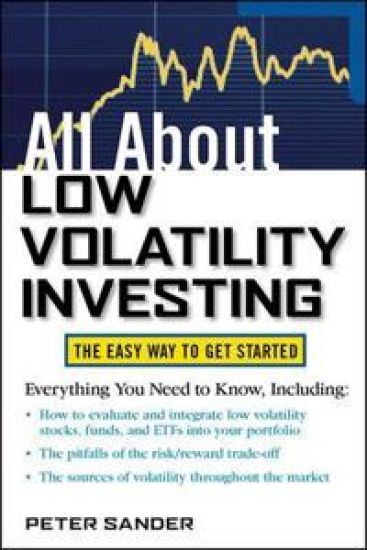
YOU DON'T HAVE TO TAKE HUGE RISKS TO INVEST SUCCESSFULLYLow volatility investing has been proven to outperform higher risk, volatile growth stock trading and investing over time. In today’s markets, this is exactly what you need to consistently draw returns beyond the risk-free rate--and sleep well at night because you're not worried about your investments!Written in a clear, entertaining style, All About Low Volatility Investing provides a firm foundationon volatility in markets and reveals the knowledge you need to make it work for you instead of against you. This one-stop guide describes:What volatility is, and how it is measured and appliedSpecific ways to appraise low volatility investmentsMethods for creating a low volatility portfolioHow to mix stocks, bonds, real estate, commodities,currencies, funds, and more
Economics, demystified! From the collapse of housing prices to the thousand-point drops in the stock market, the past has been full of economic crises. These changes not only affect the overall market—they can also drastically influence your personal finances and day-to-day life. In this easy-to-understand guide, Peter Sander explains how the financial system works, as well as the most important concepts, terms, and programs in economics. Using simple language, he details how the evolving climate will affect world economies—and what kind of shifts you are going to see in your finances as a result. In this updated edition, Sander also includes valuable information on: -The housing market and what it may do in the future -The impact of Obamacare on the economy -The scope of the Great Recession and how the U.S. is still struggling to recover -How to take advantage of the economy as it begins to rise again An essential guide, 101 Things Everyone Should Know about Economics, 2nd Edition helps you fully understand today's economy and shows you how to secure your financial future even as the market changes.
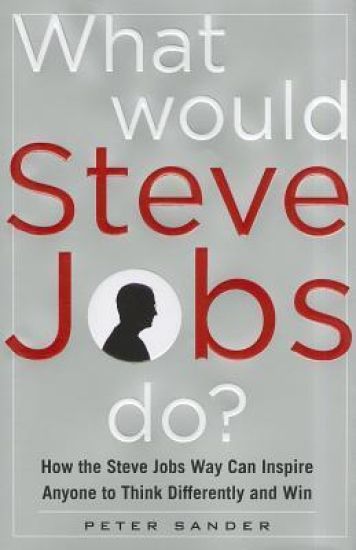
Lead and Succeed Like the World’s Greatest Business InnovatorThere’s no accounting for Steve Jobs’s mind. He just didn’t think the way the rest of the world does. Regarded by many as the most innovative and influential business leader of our time, Jobs was a visionary beyond compare. He was why Apple is Apple and everyone else is everyone else.We can’t transform ourselves into Steve Jobs. How he put his ideas into action, however, was systematic, efficient, focused, and smart. And this you can do.What Would Steve Jobs Do? presents the six-part business model Jobs applied to make Apple the most valuable publicly traded manufacturing corporation in the world and the global model for business excellence. While the results of this model can be profound, each step is something you can easily focus on with clarity and purpose:Customer—Understand your customers so well that you know what they want more than they do.Vision—Don’t stop thinking at “new product”; synthesize your ideas, products, and technologies around a specific game-changing customer issue.Culture—Create an environment filled with people who consider “can’t” a bad word.Product—Approach your product as something that can change the world— not just something to beat the competition or get a job done.Message—Deliver a message so compelling that it becomes an extension of the product itself.Personal Brand—Make people think constancy, promise, and trust when they think of you.Steve Jobs was a true original. What we’ve all learned from him is incalculable. And what we can continue to learn from him will shape the world.Transform your organization, recast your future, and do your part to redefine our world using the wisdom and foresight of the greatest business sage in generations.
Ein zentraler Begriff der Informatik ist der Begriff des Algorithmus. Wir haben bereits in Band I dieses Grundkurses die Programmiersprache Modula-2 kennengelernt, die wir zum Schreiben von Programmen und damit - mehr oder weniger intuitiv - zur formalen Beschreibung von Algorithmen benutzt haben. In diesem Kapitel soll der Begriff des Algorithmus näher beleuchtet werden. Wir werden ihn hier nicht präzise definieren, denn es gibt eine Viel zahl gleichberechtigter, formaler Möglichkeiten, dies zu tun (s. Band IV dieses Grundkurses), aber wir werden uns mit dem Entwurf, den Darstellungsmög lichkeiten und wichtigen Eigenschaften von Algorithmen beschäftigen. Ganz allgemein dienen Algorithmen dazu, durch zielgerichtetes Handeln Probleme zu lösen. Ein Algorithmus legt in exakter, unmißverständlicher Weise fest, wie man für ein vorgelegtes Problem zu einer Lösung des Problems kommt, und wir beschreiben dies durch die folgende, vage Charakterisierung (eine genauere Beschreibung der Eigenschaften von Algorithmen folgt später): Ein Algorithmus ist ein exaktes Verfahren zur Lösung eines Problems. 2.1.1 Beobachtungen zu Algorithmen Mit einer Vielzahl von Algorithmen wird jeder bereits frühzeitig in seinem Leben - unabhängig von der Informatik - konfrontiert. Als Beispiele für Prob leme, die algorithmisch lösbar sind, kann man nennen: Binden eines Schnürsenkels oder einer Krawatte, Multiplikation zweier natür licher Zahlen, Bedienung eines Fahrkartenautomaten, Auswechseln von Zündkerzen, etc.
Begriffliches zum Vorverständnis: Transformation oder Translation? Schnell bürgern sich Begriffe ein. Wir haben uns angewöhnt, von einem "rechtlichen Transformationsprozeß" zu sprechen, der im Wege deutsch deutscher Wiedervereinigung stattgefunden haben soll. Erstmalig hat wohl Christian Kirchner bereits im März 1990 von einer "Transformationsphase" l gesprochen, allerdings in gesellschaftlicher, nicht in rechtlicher Hinsicht. Kirchner schreibt: "Bei dieser Art der Herstellung der Einheit Deutsch lands (-nach Artikel 23 GG - d. Verf. -) ist es Aufgabe der zuständigen Ge setzgebungskörperschaften in der DDR, die erforderlichen Regelungen für die Transformationsphase zu schaffen. Eine Abstimmung zwischen der DDR und der Bundesrepublik Deutschland über diese Regelungen erscheint sinn voll, da diese einen maßgeblichen Faktor für die Rechtsordnung in Deutsch land bis zur Herstellung der vollständigen Rechtseinheit darstellen und ggf. darüber hinaus, wenn nämlich das neue deutsche Recht einerseits an das in der Transformationsphase geltende Recht angepaßt wird. Dies kann sowohl der Fall sein, wenn nämlich das für die DDR geschaffene Recht der Trans formationsphase Rechtsreformen des Rechtes der Bundesrepublik voraus nimmt, oder wenn es bereits an europäischem Recht orientiert ist, bevor die ses in der Bundesrepublik Deutschland in nationales Recht umgesetzt worden ist. ,,' Was daraus geworden ist, ist bekannt. Eine Transformation des Rechts fand nicht statt.