

Kirjailija
Peter York
Kirjat ja teokset yhdessä paikassa: 8 kirjaa, julkaisuja vuosilta 2005-2024, suosituimpien joukossa A Dead Cat On Your Table. Vertaile teosten hintoja ja tarkista saatavuus suomalaisista kirjakaupoista.
8 kirjaa
Kirjojen julkaisuhaarukka 2005-2024.
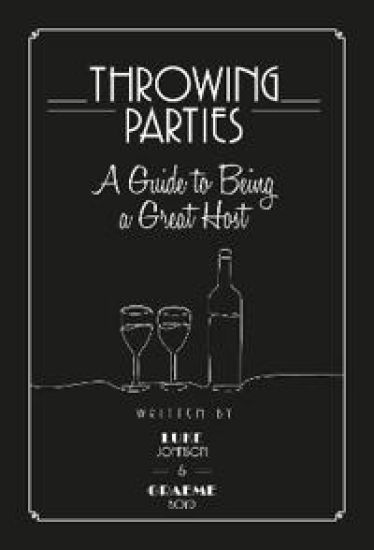
Throwing Parties: A Guide to Being a Great Host
Luke Johnson; Graeme Boyd; Peter York
John Wilkes Publishing
2024
sidottu
In Throwing Parties: A Guide to Being a Great Host, entrepreneur Luke Johnson offers insight into his decades of experience hosting events in his beloved London. From intimate gatherings and dinner parties to weddings and massive celebrations, this fun, practical book is the perfect guide to throwing unforgettable parties.

There's a war on against the BBC. It is under threat as never before. And if we lose it, we won't get it back.The BBC is our most important cultural institution, our best-value entertainment provider, and the global face of Britain. It's our most trusted news source in a world of divisive disinformation. But it is facing relentless attacks by powerful commercial and political enemies, including deep funding cuts - much deeper than most people realise - with imminent further cuts threatened. This book busts the myths about the BBC and shows us how we can save it, before it's too late.


Our homes are an extension of our personalities. Home is the place where we are truly ourselves and it reveals a great deal about what makes us tick. Peter York looks at how some of history's most alarming men and women have chosen to decorate their homes; exploring the private tastes of these public figures in the broader context of twentieth century interiors and architecture. From Benito Mussolini's inglenook fireplace to Hitler's parquet floor; Saddam Hussein's private artwork to General Noriega's Christmas tree; he leaves no design detail unexamined. These buildings illustrate what happens when unrestricted imagination collides with unlimited power. Dictators' Homes affords as great an insight into some of history's most dangerous minds as any interview or archive.

Posh is back and bigger than ever. From Peaches Geldof to David Cameron, a new breed of Sloane is taking over the country and Peter York, Britain's foremost social commentator, and Olivia Stewart-Liberty are determined to unveil them to an unsuspecting public.This essential account of the Sloane renaissance includes emerging breeds of a subtle and powerful social network: Chav Sloanes (who call friends 'Blud'), Turbo Sloanes (who live in NYLON), Eco Sloanes (who have strong preferences for veg boxes and kaftans) and even Bongo Sloanes (who are big on chakras and iridology), Sloanes are exhibited, examined and explained. English society will never look quite the same again. Cooler, Faster, More Expensiveis the insider's guide to what really matters. One simply cannot afford to miss it.
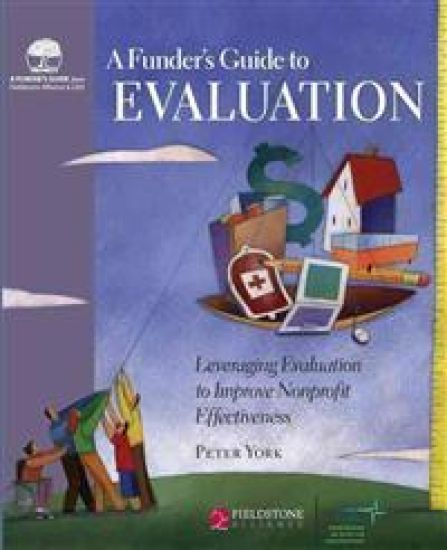
Traditionally, funders expect evaluation to show that resources are being used wisely. But evaluation can be a much more powerful tool?for both funders and nonprofits. Forward-looking grantmakers and grantees are leveraging their evaluations, ensuring that the time and money spent ultimately improves effectiveness for everyone. This book shows how they're doing it, including ? How the ""evaluative learning"" approach furthers ongoing improvement via collaborative, stakeholder influenced evaluations ? How to bridge the differences in what funders and nonprofits need from evaluation ? How evaluation builds four critical capacities?leadership, adaptive capacity, management, and technical capacity ? Seven steps a funder can take to build the evaluative learning capacity in nonprofits ? Thirteen specific evaluative learning strategies that funders can support Worksheets and assessment tools will help funders 1) assess their readiness to implement evaluative learning; 2) develop a logic model; 3) uncover grantees' current evaluation efforts and preparedness for evaluative learning; and 4) use resources wisely when selecting an evaluative learning support strategy. When the funding community supports evaluative learning, nonprofits and funders together can figure out how to strengthen programs, better allocate resources, and share successful models.
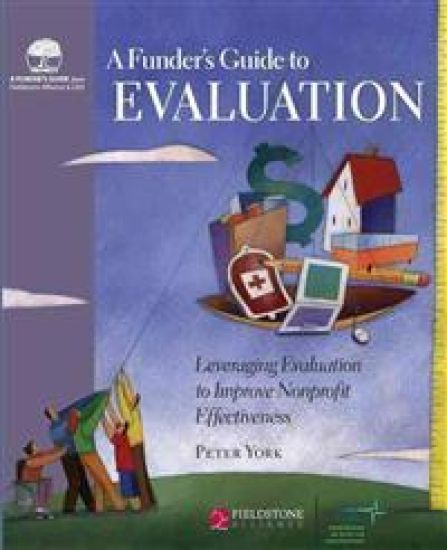
Here's how funders are leveraging evaluation to improve nonprofit effectivenessTraditionally, funders expect evaluation to show that resources are being used wisely. But evaluation can be a much more powerful tool—for both funders and nonprofits. Forward-looking grantmakers and grantees are leveraging their evaluations, ensuring that the time and money spent ultimately improves effectiveness for everyone. This book shows how they're doing it.A Funder's Guide to Evaluation: Leveraging Evaluation to Improve Nonprofit Effectiveness will help funders use evaluation to build the capacity of grantees. Inside, you'll learnHow the "evaluative learning" approach furthers ongoing improvement via collaborative, stakeholder influenced evaluationsHow to bridge the differences in what funders and nonprofits need from evaluationHow evaluation builds four critical capacities—leadership, adaptive capacity, management, and technical capacity Seven steps a funder can take to build the evaluative learning capacity in nonprofitsThirteen specific evaluative learning strategies that funders can support Worksheets and assessment tools will help funders 1) assess their readiness to implement evaluative learning; 2) develop a logic model; 3) uncover grantees' current evaluation efforts and preparedness for evaluative learning; and 4) use resources wisely when selecting an evaluative learning support strategy. When the funding community supports evaluative learning, nonprofits and funders together can figure out how to strengthen programs, better allocate resources, and share successful models.