Kirjojen hintavertailu. Mukana 12 115 956 kirjaa ja 12 kauppaa.

Kirjailija

Pethuru Raj

Kirjat ja teokset yhdessä paikassa: 20 kirjaa, julkaisuja vuosilta 2012-2024, suosituimpien joukossa Industrial IoT Application Architectures and Use Cases. Vertaile teosten hintoja ja tarkista saatavuus suomalaisista kirjakaupoista.

20 kirjaa

Kirjojen julkaisuhaarukka 2012-2024.

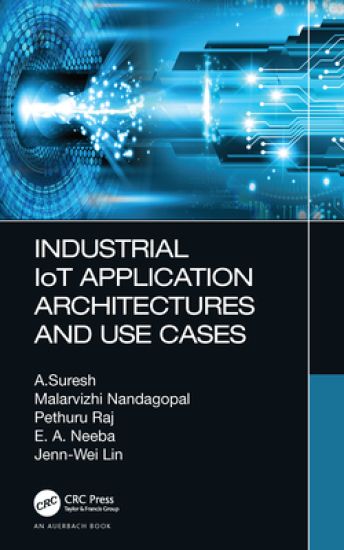
Industrial IoT Application Architectures and Use Cases

Industrial IoT Application Architectures and Use Cases

A. Suresh; Malarvizhi Nandagopal; Pethuru Raj; E. A. Neeba; Jenn-Wei Lin

CRC Press
2020
sidottu
As the number of Internet of Things (IoT) elements grows exponentially, their interactions can generate a massive amount of raw and multi-structured data. The challenge with this data explosion is to transform any raw data into information and knowledge, which can be used by people and systems to make intelligent decisions. Industrial IoT Application Architectures and Use Cases explores how artificial intelligence (AI), data analytics, and IoT technology combine to promote intelligent decision-making and automation in a range of industries. With faster, more stable AI algorithms and approaches, knowledge discovery and dissemination from IoT-device data can be simplified and streamlined. An era of powerful cognitive technology is beginning due to cloud-based cognitive systems that are forming the foundation of game-changing intelligent applications. This book presents next-generation use cases of IoT and IoT data analytics for a variety of industrial verticals as given below: An Intelligent IoT framework for smart water management An IoT-enabled smart traffic control system for congestion control and smart traffic management An intelligent airport system for airport management and security surveillance An IoT framework for healthcare to integrate and report patient information Fuzzy scheduling with IoT for tracking and monitoring hotel assets An IoT system for designing drainage systems and monitoring drainage pipes Predictive maintenance of plant equipment to decide the actual mean time to malfunction Integrated neural networks and IoT systems for predictive equipment maintenance IoT integration in blockchain for smart waste management This book also includes a chapter on the IoT paradigm and an overview of uses cases for personal, social, and industrial applications.
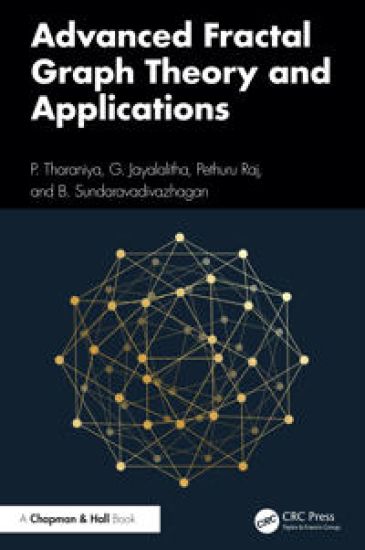
Advanced Fractal Graph Theory and Applications

Advanced Fractal Graph Theory and Applications

P. Tharaniya; G. Jayalalitha; Pethuru Raj; B. Sundaravadivazhagan

TAYLOR FRANCIS LTD
2024
sidottu
This book explores the dynamic interplay between fractals and graph theory, two powerful mathematical tools with vast applications. It presents a strategic combination and the synergistic use of these disciplines to address real-world problems and challenges. The book begins with an introduction to the basic concepts of fractals and graph theory and goes on to explore the applications in various domains, including natural phenomena modeling, scheduling, and network optimisation.This book:Illustrates the innovative ways fractals and graph theory can be combined, laying the groundwork for future applications across various industriesIntroduces the fundamental concepts and principles of both fractals and graph theory in detail, making it accessible to a broad audience, including those new to these topicsExplores practical applications in image processing, network optimisation, social network analysis, and more, demonstrating the real-world impact of these mathematical toolsAnalyses advanced techniques in graph theory, such as matching, domination, and colouring, with practical examples and case studiesHighlights the latest research advancements in fractal graph theory, showcasing its potential for future developments and applicationsThis book is for students, researchers, and professionals in mathematics, computer science, engineering, and related fields.
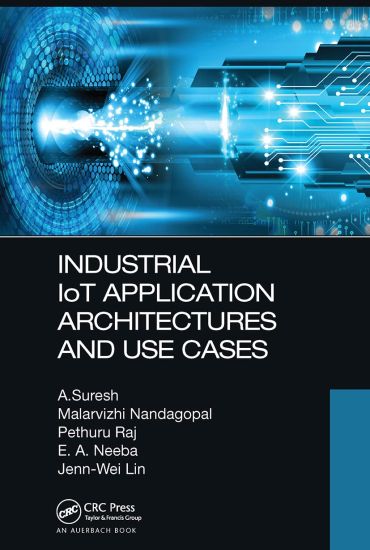
Industrial IoT Application Architectures and Use Cases

Industrial IoT Application Architectures and Use Cases

A. Suresh; Malarvizhi Nandagopal; Pethuru Raj; E. A. Neeba; Jenn-Wei Lin

TAYLOR FRANCIS LTD
2023
nidottu
As the number of Internet of Things (IoT) elements grows exponentially, their interactions can generate a massive amount of raw and multi-structured data. The challenge with this data explosion is to transform any raw data into information and knowledge, which can be used by people and systems to make intelligent decisions. Industrial IoT Application Architectures and Use Cases explores how artificial intelligence (AI), data analytics, and IoT technology combine to promote intelligent decision-making and automation in a range of industries. With faster, more stable AI algorithms and approaches, knowledge discovery and dissemination from IoT-device data can be simplified and streamlined. An era of powerful cognitive technology is beginning due to cloud-based cognitive systems that are forming the foundation of game-changing intelligent applications. This book presents next-generation use cases of IoT and IoT data analytics for a variety of industrial verticals as given below: An Intelligent IoT framework for smart water management An IoT-enabled smart traffic control system for congestion control and smart traffic management An intelligent airport system for airport management and security surveillance An IoT framework for healthcare to integrate and report patient information Fuzzy scheduling with IoT for tracking and monitoring hotel assets An IoT system for designing drainage systems and monitoring drainage pipes Predictive maintenance of plant equipment to decide the actual mean time to malfunction Integrated neural networks and IoT systems for predictive equipment maintenance IoT integration in blockchain for smart waste management This book also includes a chapter on the IoT paradigm and an overview of uses cases for personal, social, and industrial applications.
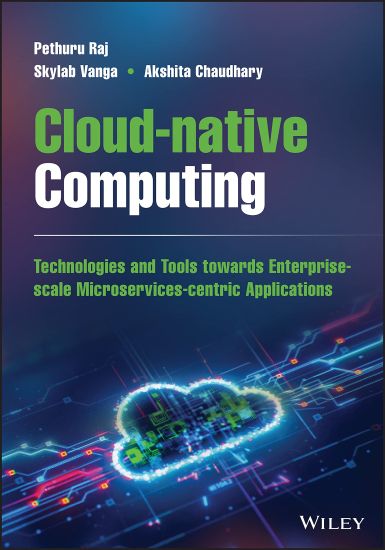
Cloud-native Computing

Cloud-native Computing

Pethuru Raj; Skylab Vanga; Akshita Chaudhary

JOHN WILEY SONS INC
2022
sidottu
Explore the cloud-native paradigm for event-driven and service-oriented applications In Cloud-Native Computing: How to Design, Develop, and Secure Microservices and Event-Driven Applications, a team of distinguished professionals delivers a comprehensive and insightful treatment of cloud-native computing technologies and tools. With a particular emphasis on the Kubernetes platform, as well as service mesh and API gateway solutions, the book demonstrates the need for reliability assurance in any distributed environment. The authors explain the application engineering and legacy modernization aspects of the technology at length, along with agile programming models. Descriptions of MSA and EDA as tools for accelerating software design and development accompany discussions of how cloud DevOps tools empower continuous integration, delivery, and deployment. Cloud-Native Computing also introduces proven edge devices and clouds used to construct microservices-centric and real-time edge applications. Finally, readers will benefit from: Thorough introductions to the demystification of digital transformationComprehensive explorations of distributed computing in the digital era, as well as reflections on the history and technological development of cloud computingPractical discussions of cloud-native computing and microservices architecture, as well as event-driven architecture and serverless computingIn-depth examinations of the Akka framework as a tool for concurrent and distributed applications development Perfect for graduate and postgraduate students in a variety of IT- and cloud-related specialties, Cloud-Native Computing also belongs in the libraries of IT professionals and business leaders engaged or interested in the application of cloud technologies to various business operations.
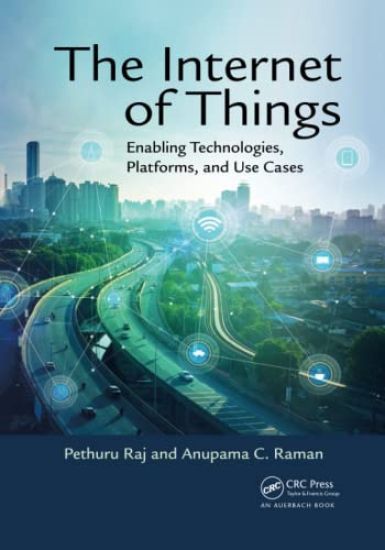
The Internet of Things

The Internet of Things

Pethuru Raj; Anupama C. Raman

TAYLOR FRANCIS LTD
2022
nidottu
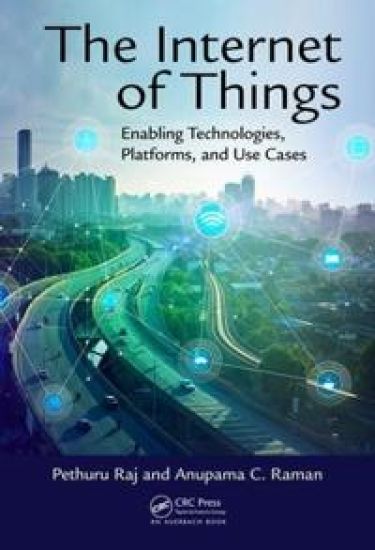
As more and more devices become interconnected through the Internet of Things (IoT), there is an even greater need for this book,which explains the technology, the internetworking, and applications that are making IoT an everyday reality. The book begins with a discussion of IoT "ecosystems" and the technology that enables them, which includes:Wireless Infrastructure and Service Discovery Protocols Integration Technologies and Tools Application and Analytics Enablement PlatformsA chapter on next-generation cloud infrastructure explains hosting IoT platforms and applications. A chapter on data analytics throws light on IoT data collection, storage, translation, real-time processing, mining, and analysis, all of which can yield actionable insights from the data collected by IoT applications. There is also a chapter on edge/fog computing.The second half of the book presents various IoT ecosystem use cases. One chapter discusses smart airports and highlights the role of IoT integration. It explains how mobile devices, mobile technology, wearables, RFID sensors, and beacons work together as the core technologies of a smart airport. Integrating these components into the airport ecosystem is examined in detail, and use cases and real-life examples illustrate this IoT ecosystem in operation. Another in-depth look is on envisioning smart healthcare systems in a connected world. This chapter focuses on the requirements, promising applications, and roles of cloud computing and data analytics. The book also examines smart homes, smart cities, and smart governments. The book concludes with a chapter on IoT security and privacy. This chapter examines the emerging security and privacy requirements of IoT environments. The security issues and an assortment of surmounting techniques and best practices are also discussed in this chapter.
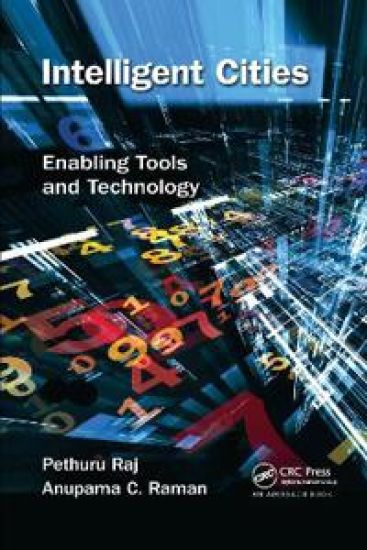
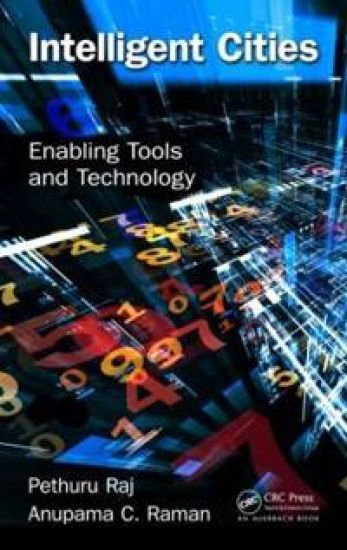
Intelligent Cities

Intelligent Cities

Pethuru Raj; Anupama C. Raman

TAYLOR FRANCIS LTD
2022
nidottu
The emergence of highly promising and potent technologies has enabled the transition of ordinary objects into smart artifacts—providing wider connectivity of digitized entities that can facilitate the building of connected cities. This book provides readers with a solid foundation on the latest technologies and tools required to develop and enhance smart cities around the world.The book begins by examining the rise of the cloud as the fundamental technology for establishing and sustaining smart cities and enterprises. Explaining the principal technologies and platform solutions for implementing intelligent cities, the book details the role of various technologies, standards, protocols, and tools in establishing flexible homes and the buildings of the future.Examines IT platforms and tools from various product vendorsConsiders service-oriented architecture and event-driven architecture for smart city applicationsExplains how to leverage big data analytics for smart city enhancement and improved decision makingIncludes case studies of intelligent cities, smart homes, buildings, transports, healthcare systems, and airports The authors explore the convergence of cloud computing and enterprise architecture and present valuable information on next-generation cloud computing. They also cover the various architectural types, including enterprise-scale integration, security, management, and governance.The book concludes by explaining the various security requirements of intelligent cities as well as the threats and vulnerabilities of the various components that form the basis of the intelligent city framework, including cloud, big data, Internet of Things, and mobile technologies.
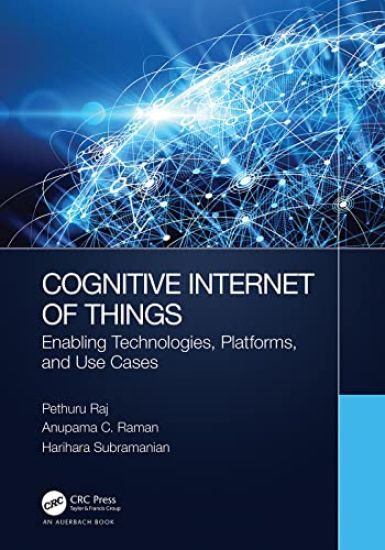
Cognitive Internet of Things

Cognitive Internet of Things

Pethuru Raj; Anupama C. Raman; Harihara Subramanian

TAYLOR FRANCIS LTD
2022
sidottu
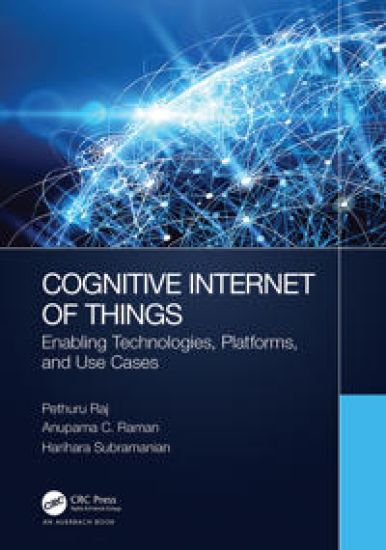
The Internet of Things (IoT) concept is defined as a flexible and futuristic network where all the different types of devices and smart objects can become seamlessly connected to each other and can actively participate in all types of processes which are happening around us. The grand objective of making physical, mechanical, electrical, and electronic devices to use the deeper and extreme connectivity and service-enablement techniques is to make them intelligent in their deeds, decisions, and deals. Cognitive IoT is the application of cognitive computing technologies to the data which is generated by the connected devices of the IoT ecosystem. Cognition means thinking; however, computers are not yet fully capable of mimicking human like thought. However, the present-day computer systems can perform some functions which are like the capability of human beings to think.Cognitive Internet of Things: Enabling Technologies, Platforms, and Use Cases explains the concepts surrounding Cognitive IoT. It also looks at the use cases and such supporting technologies as artificial intelligence and machine learning that act as key enablers of Cognitive IoT ecosystem. Different Cognitive IoT enabled platforms like IBM Watson and other product specific use cases like Amazon Alexa are covered in depth. Other highlights of the book include:Demystifying the cognitive computing paradigmDelineating the key capabilities of cognitive cloud environmentsDeep learning algorithms for cognitive IoT solutionsNatural language processing (NLP) methods for cognitive IoT systemsDesigning a secure infrastructure for cognitive IoT platforms and applications
Cognitive Internet of Things

Cognitive Internet of Things

Pethuru Raj; Anupama C. Raman; Harihara Subramanian

TAYLOR FRANCIS LTD
2022
nidottu
The Internet of Things (IoT) concept is defined as a flexible and futuristic network where all the different types of devices and smart objects can become seamlessly connected to each other and can actively participate in all types of processes which are happening around us. The grand objective of making physical, mechanical, electrical, and electronic devices to use the deeper and extreme connectivity and service-enablement techniques is to make them intelligent in their deeds, decisions, and deals. Cognitive IoT is the application of cognitive computing technologies to the data which is generated by the connected devices of the IoT ecosystem. Cognition means thinking; however, computers are not yet fully capable of mimicking human like thought. However, the present-day computer systems can perform some functions which are like the capability of human beings to think.Cognitive Internet of Things: Enabling Technologies, Platforms, and Use Cases explains the concepts surrounding Cognitive IoT. It also looks at the use cases and such supporting technologies as artificial intelligence and machine learning that act as key enablers of Cognitive IoT ecosystem. Different Cognitive IoT enabled platforms like IBM Watson and other product specific use cases like Amazon Alexa are covered in depth. Other highlights of the book include:Demystifying the cognitive computing paradigmDelineating the key capabilities of cognitive cloud environmentsDeep learning algorithms for cognitive IoT solutionsNatural language processing (NLP) methods for cognitive IoT systemsDesigning a secure infrastructure for cognitive IoT platforms and applications
Practical Python Programming for Data Scientists

Practical Python Programming for Data Scientists

A. Suresh Neeba; N. Malarvizhi; Pethuru Raj

Arcler Press
2021
sidottu
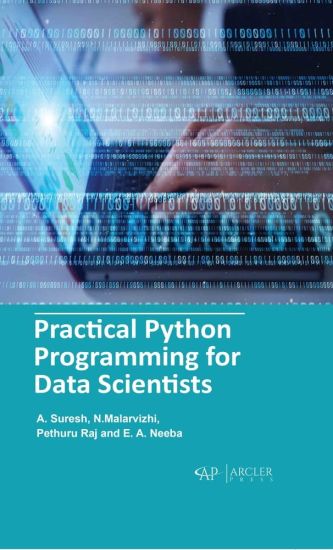
Data science plays a very vital role in shaping up the process of transitioning data into information and into knowledge. As business enterprises, organizations, governments, IT companies, and service providers are keenly becoming data-driven, the role and responsibility of data scientists are bound to go up significantly. Python is emerging as the leading programming language for data science projects. The aim of the book is to clearly explain how Python simplifies and speeds up the realization of next-generation data science applications.
Hands-On RESTful API Design Patterns and Best Practices

Hands-On RESTful API Design Patterns and Best Practices

Harihara Subramanian; Pethuru Raj

Packt Publishing Limited
2019
nidottu
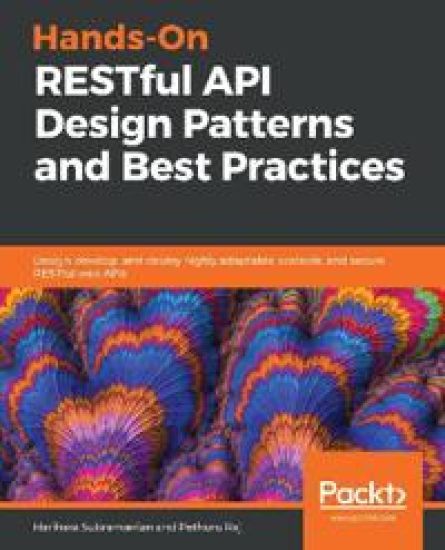
Build effective RESTful APIs for enterprise with design patterns and REST framework’s out-of-the-box capabilitiesKey FeaturesUnderstand advanced topics such as API gateways, API securities, and cloudImplement patterns programmatically with easy-to-follow examplesModernize legacy codebase using API connectors, layers, and microservicesBook DescriptionThis book deals with the Representational State Transfer (REST) paradigm, which is an architectural style that allows networked devices to communicate with each other over the internet. With the help of this book, you’ll explore the concepts of service-oriented architecture (SOA), event-driven architecture (EDA), and resource-oriented architecture (ROA). This book covers why there is an insistence for high-quality APIs toward enterprise integration.It also covers how to optimize and explore endpoints for microservices with API gateways and touches upon integrated platforms and Hubs for RESTful APIs. You’ll also understand how application delivery and deployments can be simplified and streamlined in the REST world. The book will help you dig deeper into the distinct contributions of RESTful services for IoT analytics and applications.Besides detailing the API design and development aspects, this book will assist you in designing and developing production-ready, testable, sustainable, and enterprise-grade APIs. By the end of the book, you’ll be empowered with all that you need to create highly flexible APIs for next-generation RESTful services and applications.What you will learnExplore RESTful concepts, including URI, HATEOAS, and Code on DemandStudy core patterns like Statelessness, Pagination, and DiscoverabilityOptimize endpoints for linked microservices with API gatewaysDelve into API authentication, authorization, and API security implementationsWork with Service Orchestration to craft composite and process-aware servicesExpose RESTful protocol-based APIs for cloud computingWho this book is forThis book is primarily for web, mobile, and cloud services developers, architects, and consultants who want to build well-designed APIs for creating and sustaining enterprise-class applications. You’ll also benefit from this book if you want to understand the finer details of RESTful APIs and their design techniques along with some tricks and tips.
Software-Defined Cloud Centers

Software-Defined Cloud Centers

Pethuru Raj; Anupama Raman

Springer Nature Switzerland AG
2019
nidottu
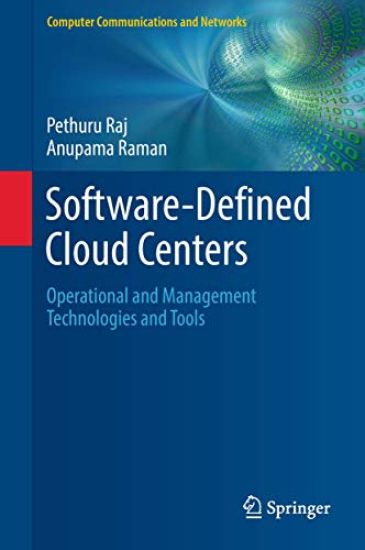
This practical text/reference provides an exhaustive guide to setting up and sustaining software-defined data centers (SDDCs). Each of the core elements and underlying technologies are explained in detail, often supported by real-world examples. The text illustrates how cloud integration, brokerage, and orchestration can ensure optimal performance and usage of data resources, and what steps are required to secure each component in a SDDC. The coverage also includes material on hybrid cloud concepts, cloud-based data analytics, cloud configuration, enterprise DevOps and code deployment tools, and cloud software engineering.Topics and features: highlights how technologies relating to cloud computing, IoT, blockchain, and AI are revolutionizing business transactions, operations, and analytics; introduces the concept of Cloud 2.0, in which software-defined computing, storage, and networking are applied to produce next-generation cloud centers; examines software-defined storage for storage virtualization, covering issues of cloud storage, storage tiering, and deduplication; discusses software-defined networking for network virtualization, focusing on techniques for network optimization in data centers; reviews the qualities and benefits of hybrid clouds, that bridge private and public cloud environments; investigates the security management of a software-defined data center, and proposes a framework for managing hybrid IT infrastructure components; describes the management of multi-cloud environments through automated tools, and cloud brokers that aim to simplify cloud access, use and composition; covers cloud orchestration for automating application integration, testing, infrastructure provisioning, software deployment, configuration, and delivery.This comprehensive work is an essential reference for all practitioners involved with software-defined data center technologies, hybrid clouds, cloud service management, cloud-based analytics, and cloud-based software engineering.
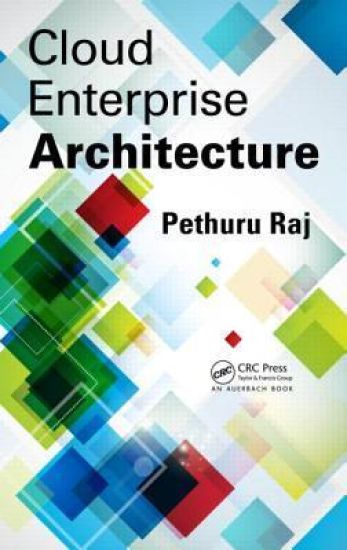
Cloud Enterprise Architecture

Cloud Enterprise Architecture

Pethuru Raj

CRC Press
2018
nidottu
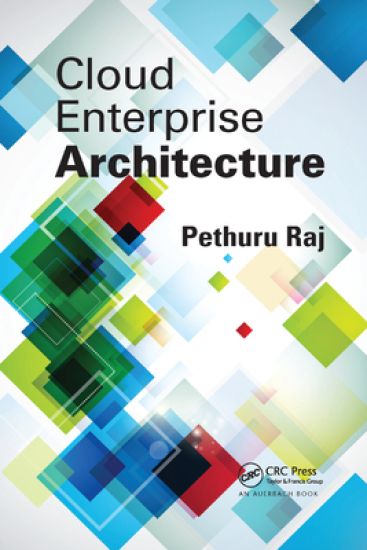
Cloud Enterprise Architecture examines enterprise architecture (EA) in the context of the surging popularity of Cloud computing. It explains the different kinds of desired transformations the architectural blocks of EA undergo in light of this strategically significant convergence. Chapters cover each of the contributing architectures of EA—business, information, application, integration, security, and technology—illustrating the current and impending implications of the Cloud on each.Discussing the implications of the Cloud paradigm on EA, the book details the perceptible and positive changes that will affect EA design, governance, strategy, management, and sustenance. The author ties these topics together with chapters on Cloud integration and composition architecture. He also examines the Enterprise Cloud, Federated Clouds, and the vision to establish the InterCloud. Laying out a comprehensive strategy for planning and executing Cloud-inspired transformations, the book:Explains how the Cloud changes and affects enterprise architecture design, governance, strategy, management, and sustenancePresents helpful information on next-generation Cloud computingDescribes additional architectural types such as enterprise-scale integration, security, management, and governance architecturesThis book is an ideal resource for enterprise architects, Cloud evangelists and enthusiasts, and Cloud application and service architects. Cloud center administrators, Cloud business executives, managers, and analysts will also find the book helpful and inspirational while formulating appropriate mechanisms and schemes for sound modernization and migration of traditional applications to Cloud infrastructures and platforms.
Software-Defined Cloud Centers

Software-Defined Cloud Centers

Pethuru Raj; Anupama Raman

Springer International Publishing AG
2018
sidottu
This practical text/reference provides an exhaustive guide to setting up and sustaining software-defined data centers (SDDCs). Each of the core elements and underlying technologies are explained in detail, often supported by real-world examples. The text illustrates how cloud integration, brokerage, and orchestration can ensure optimal performance and usage of data resources, and what steps are required to secure each component in a SDDC. The coverage also includes material on hybrid cloud concepts, cloud-based data analytics, cloud configuration, enterprise DevOps and code deployment tools, and cloud software engineering.Topics and features: highlights how technologies relating to cloud computing, IoT, blockchain, and AI are revolutionizing business transactions, operations, and analytics; introduces the concept of Cloud 2.0, in which software-defined computing, storage, and networking are applied to produce next-generation cloud centers; examines software-defined storage for storage virtualization, covering issues of cloud storage, storage tiering, and deduplication; discusses software-defined networking for network virtualization, focusing on techniques for network optimization in data centers; reviews the qualities and benefits of hybrid clouds, that bridge private and public cloud environments; investigates the security management of a software-defined data center, and proposes a framework for managing hybrid IT infrastructure components; describes the management of multi-cloud environments through automated tools, and cloud brokers that aim to simplify cloud access, use and composition; covers cloud orchestration for automating application integration, testing, infrastructure provisioning, software deployment, configuration, and delivery.This comprehensive work is an essential reference for all practitioners involved with software-defined data center technologies, hybrid clouds, cloud service management, cloud-based analytics, and cloud-based software engineering.
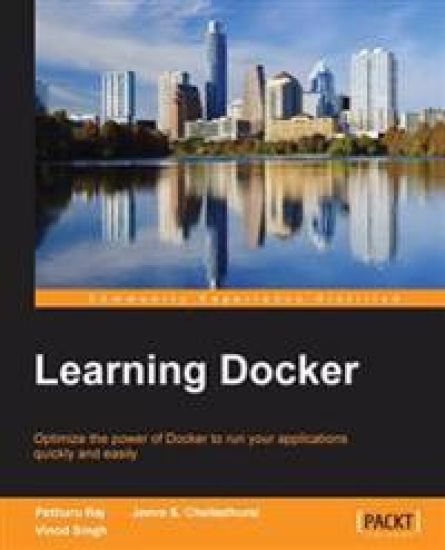
Learning Docker -

Learning Docker -

Jeeva S. Chelladhurai; Vinod Singh; Pethuru Raj

Packt Publishing Limited
2017
nidottu
Docker lets you create, deploy, and manage your applications anywhere at anytime – flexibility is key so you can deploy stable, secure, and scalable app containers across a wide variety of platforms and delve into microservices architecture About This Book • This up-to-date edition shows how to leverage Docker's features to deploy your existing applications • Learn how to package your applications with Docker and build, ship, and scale your containers • Explore real-world examples of securing and managing Docker containers Who This Book Is For This book is ideal for developers, operations managers, and IT professionals who would like to learn about Docker and use it to build and deploy container-based apps. No prior knowledge of Docker is expected. What You Will Learn • Develop containerized applications using the Docker version 17.03 • Build Docker images from containers and launch them • Develop Docker images and containers leveraging Dockerfiles • Use Docker volumes to share data • Get to know how data is shared between containers • Understand Docker Jenkins integration • Gain the power of container orchestration • Familiarize yourself with the frequently used commands such as docker exec, docker ps, docker top, and docker stats In Detail Docker is an open source containerization engine that offers a simple and faster way for developing and running software. Docker containers wrap software in a complete filesystem that contains everything it needs to run, enabling any application to be run anywhere – this flexibily and portabily means that you can run apps in the cloud, on virtual machines, or on dedicated servers. This book will give you a tour of the new features of Docker and help you get started with Docker by building and deploying a simple application. It will walk you through the commands required to manage Docker images and containers. You'll be shown how to download new images, run containers, list the containers running on the Docker host, and kill them. You'll learn how to leverage Docker's volumes feature to share data between the Docker host and its containers – this data management feature is also useful for persistent data. This book also covers how to orchestrate containers using Docker compose, debug containers, and secure containers using the AppArmor and SELinux security modules. Style and approach This step-by-step guide will walk you through the features and use of Docker, from Docker software installation to the impenetrable security of containers.
The Internet of Things

The Internet of Things

Pethuru Raj; Anupama C. Raman

Productivity Press
2017
sidottu
As more and more devices become interconnected through the Internet of Things (IoT), there is an even greater need for this book,which explains the technology, the internetworking, and applications that are making IoT an everyday reality. The book begins with a discussion of IoT "ecosystems" and the technology that enables them, which includes:Wireless Infrastructure and Service Discovery Protocols Integration Technologies and Tools Application and Analytics Enablement PlatformsA chapter on next-generation cloud infrastructure explains hosting IoT platforms and applications. A chapter on data analytics throws light on IoT data collection, storage, translation, real-time processing, mining, and analysis, all of which can yield actionable insights from the data collected by IoT applications. There is also a chapter on edge/fog computing.The second half of the book presents various IoT ecosystem use cases. One chapter discusses smart airports and highlights the role of IoT integration. It explains how mobile devices, mobile technology, wearables, RFID sensors, and beacons work together as the core technologies of a smart airport. Integrating these components into the airport ecosystem is examined in detail, and use cases and real-life examples illustrate this IoT ecosystem in operation. Another in-depth look is on envisioning smart healthcare systems in a connected world. This chapter focuses on the requirements, promising applications, and roles of cloud computing and data analytics. The book also examines smart homes, smart cities, and smart governments. The book concludes with a chapter on IoT security and privacy. This chapter examines the emerging security and privacy requirements of IoT environments. The security issues and an assortment of surmounting techniques and best practices are also discussed in this chapter.
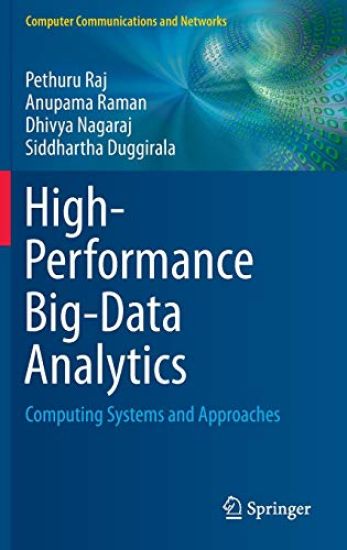
High-Performance Big-Data Analytics

High-Performance Big-Data Analytics

Pethuru Raj; Anupama Raman; Dhivya Nagaraj; Siddhartha Duggirala

Springer International Publishing AG
2016
nidottu
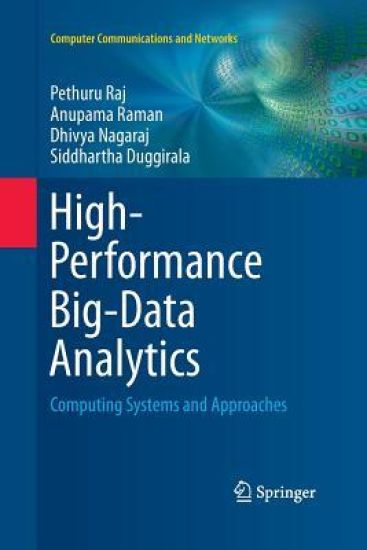
This book presents a detailed review of high-performance computing infrastructures for next-generation big data and fast data analytics. Features: includes case studies and learning activities throughout the book and self-study exercises in every chapter; presents detailed case studies on social media analytics for intelligent businesses and on big data analytics (BDA) in the healthcare sector; describes the network infrastructure requirements for effective transfer of big data, and the storage infrastructure requirements of applications which generate big data; examines real-time analytics solutions; introduces in-database processing and in-memory analytics techniques for data mining; discusses the use of mainframes for handling real-time big data and the latest types of data management systems for BDA; provides information on the use of cluster, grid and cloud computing systems for BDA; reviews the peer-to-peer techniques and tools and the common information visualization techniques, used in BDA.
High-Performance Big-Data Analytics

High-Performance Big-Data Analytics

Pethuru Raj; Anupama Raman; Dhivya Nagaraj; Siddhartha Duggirala

Springer International Publishing AG
2015
sidottu
This book presents a detailed review of high-performance computing infrastructures for next-generation big data and fast data analytics. Features: includes case studies and learning activities throughout the book and self-study exercises in every chapter; presents detailed case studies on social media analytics for intelligent businesses and on big data analytics (BDA) in the healthcare sector; describes the network infrastructure requirements for effective transfer of big data, and the storage infrastructure requirements of applications which generate big data; examines real-time analytics solutions; introduces in-database processing and in-memory analytics techniques for data mining; discusses the use of mainframes for handling real-time big data and the latest types of data management systems for BDA; provides information on the use of cluster, grid and cloud computing systems for BDA; reviews the peer-to-peer techniques and tools and the common information visualization techniques, used in BDA.
Intelligent Cities

Intelligent Cities

Pethuru Raj; Anupama C. Raman

Apple Academic Press Inc.
2015
sidottu
The emergence of highly promising and potent technologies has enabled the transition of ordinary objects into smart artifacts—providing wider connectivity of digitized entities that can facilitate the building of connected cities. This book provides readers with a solid foundation on the latest technologies and tools required to develop and enhance smart cities around the world.The book begins by examining the rise of the cloud as the fundamental technology for establishing and sustaining smart cities and enterprises. Explaining the principal technologies and platform solutions for implementing intelligent cities, the book details the role of various technologies, standards, protocols, and tools in establishing flexible homes and the buildings of the future.Examines IT platforms and tools from various product vendorsConsiders service-oriented architecture and event-driven architecture for smart city applicationsExplains how to leverage big data analytics for smart city enhancement and improved decision makingIncludes case studies of intelligent cities, smart homes, buildings, transports, healthcare systems, and airports The authors explore the convergence of cloud computing and enterprise architecture and present valuable information on next-generation cloud computing. They also cover the various architectural types, including enterprise-scale integration, security, management, and governance.The book concludes by explaining the various security requirements of intelligent cities as well as the threats and vulnerabilities of the various components that form the basis of the intelligent city framework, including cloud, big data, Internet of Things, and mobile technologies.
Cloud Enterprise Architecture

Cloud Enterprise Architecture

Pethuru Raj

Auerbach Publishers Inc.
2012
sidottu
Cloud Enterprise Architecture examines enterprise architecture (EA) in the context of the surging popularity of Cloud computing. It explains the different kinds of desired transformations the architectural blocks of EA undergo in light of this strategically significant convergence. Chapters cover each of the contributing architectures of EA—business, information, application, integration, security, and technology—illustrating the current and impending implications of the Cloud on each.Discussing the implications of the Cloud paradigm on EA, the book details the perceptible and positive changes that will affect EA design, governance, strategy, management, and sustenance. The author ties these topics together with chapters on Cloud integration and composition architecture. He also examines the Enterprise Cloud, Federated Clouds, and the vision to establish the InterCloud. Laying out a comprehensive strategy for planning and executing Cloud-inspired transformations, the book:Explains how the Cloud changes and affects enterprise architecture design, governance, strategy, management, and sustenancePresents helpful information on next-generation Cloud computingDescribes additional architectural types such as enterprise-scale integration, security, management, and governance architecturesThis book is an ideal resource for enterprise architects, Cloud evangelists and enthusiasts, and Cloud application and service architects. Cloud center administrators, Cloud business executives, managers, and analysts will also find the book helpful and inspirational while formulating appropriate mechanisms and schemes for sound modernization and migration of traditional applications to Cloud infrastructures and platforms.