Kirjojen hintavertailu. Mukana 12 570 732 kirjaa ja 12 kauppaa.

Kirjailija

Petteri Pietikäinen

Kirjat ja teokset yhdessä paikassa: 6 kirjaa, julkaisuja vuosilta 2007-2020, suosituimpien joukossa Alchemists of Human Nature. Vertaile teosten hintoja ja tarkista saatavuus suomalaisista kirjakaupoista.

Mukana myös kirjoitusasut: Petteri Pietikainen

6 kirjaa

Kirjojen julkaisuhaarukka 2007-2020.

Kipeät sielut

Kipeät sielut

Petteri Pietikäinen

Gaudeamus
2020
sidottu
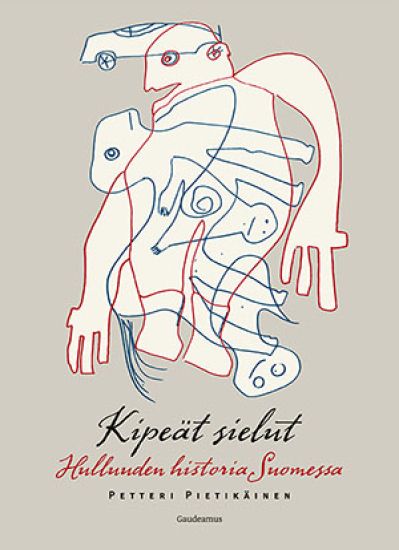
Huhtikuussa 1900 Nokian Pitkäniemen mielisairaalaan tuotiin potilaaksi alakuloisuudesta, hallusinaatioista ja pakonomaisista seksuaalisista haluista kärsinyt nuorukainen, Maurits, joka kuvitteli, että hänen päässään eli hämähäkki. Diagnoosiksi annettiin nykyistä skitsofreniaa edeltänyt dementia praecox eli nuoruuden tylsistyminen. Mauritsia pidettiin sairaalassa yksitoista vuotta, kunnes hänet vapautettiin parantumattomana.Kipeät sielut syventyy Mauritsin ja hänen kohtalotovereidensa sairauskertomusten avulla mielenterveyspotilaiden kokemuksiin ja mielenterveyden häiriöiden hoitoon Suomessa autonomian ajalta 1950-luvulle. Sairaala- ja laitospotilaiden lisäksi tutustutaan kylähullujen ja muiden laitoshoidon ulkopuolella eläneiden arkeen. Sairauden syiden ja hoitomenetelmien lisäksi avataan sotien kaltaisten kriisien vaikutuksia mielenterveyteen sekä mielisairauden sosiaalisia ja kulttuurisia yhteyksiä.Päähenkilöitä ovat hullut, hermostuneet ja haitalliset - kuten vakavasti mielisairaita, lievemmin oireilleita sekä yhteiskunnan normeihin sopeutumattomia yksilöitä aikanaan kutsuttiin. Paitsi henkisestä kärsimyksestä kirja kertoo myös toipumisesta ja paranemisesta aikana ennen avohoidon ja modernien psyykenlääkkeiden valtakautta.
Hulluuden historia

Hulluuden historia

Petteri Pietikäinen

Gaudeamus
2019
nidottu
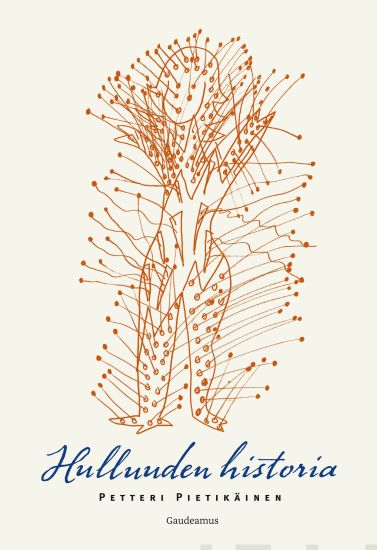
Hulluuden mahdollisuus kulkee mukanamme kuin varjo. Hulluus kytkeytyy paitsi ihmisen mieleen ja kehoon myös ympäröivään yhteiskuntaan ja kulttuuriin. Hulluuden historia selvittää, miten hulluus on eri aikoina koettu, miten sitä on länsimaisessa kulttuurissa selitetty ja miten hulluja on kohdeltu ja hoidettu.Teos kuljettaa lukijan antiikin traagisesta hulluudesta keskiajan narrien ja noitien pariin sekä valistuksen ”humaanin” psykiatrian kautta psykoanalyysiin ja psykofarmakologiaan. Se näyttää, millä tavoin psykiatreista tuli uusia hulluuden ammattilaisia, hulluus muuttui lääketieteelliseksi mielisairaudeksi ja mielisairaalalaitos syntyi.Matkan varrella vastaan tulevat monenlaiset hullut tai sellaisiksi tulkitut: niin synkkyyden alhossa vellovat melankolikot, taivaallisissa korkeuksissa vierailevat skitsofreenikot, raivopäiset maanikot, pakkovaeltajat, neurootikot, riivatut, hysteerikot kuin kylähullutkin.Hulluuden historia tuo silmiemme eteen ihmisluonnon moninaisuuden ja ihmisyyden arvoitukset - hulluus elää ajan virrassa.
Madness

Madness

Petteri Pietikäinen

Routledge
2015
sidottu
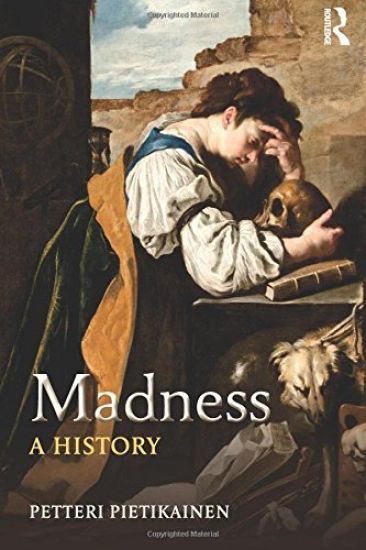
Madness: A History is a thorough and accessible account of madness from antiquity to modern times, offering a large-scale yet nuanced picture of mental illness and its varieties in western civilization. The book opens by considering perceptions and experiences of madness starting in Biblical times, Ancient history and Hippocratic medicine to the Age of Enlightenment, before moving on to developments from the late 18th century to the late 20th century and the Cold War era. Petteri Pietikäinen looks at issues such as 18th century asylums, the rise of psychiatry, the history of diagnoses, the experiences of mental health patients, the emergence of neuroses, the impact of eugenics, the development of different treatments, and the late 20th century emergence of anti-psychiatry and the modern malaise of the worried well. The book examines the history of madness at the different levels of micro-, meso- and macro: the social and cultural forces shaping the medical and lay perspectives on madness, the invention and development of diagnoses as well as the theories and treatment methods by physicians, and the patient experiences inside and outside of the mental institution. Drawing extensively from primary records written by psychiatrists and accounts by mental health patients themselves, it also gives readers a thorough grounding in the secondary literature addressing the history of madness. An essential read for all students of the history of mental illness, medicine and society more broadly.
Madness

Madness

Petteri Pietikäinen

Routledge
2015
nidottu
Madness: A History is a thorough and accessible account of madness from antiquity to modern times, offering a large-scale yet nuanced picture of mental illness and its varieties in western civilization. The book opens by considering perceptions and experiences of madness starting in Biblical times, Ancient history and Hippocratic medicine to the Age of Enlightenment, before moving on to developments from the late 18th century to the late 20th century and the Cold War era. Petteri Pietikäinen looks at issues such as 18th century asylums, the rise of psychiatry, the history of diagnoses, the experiences of mental health patients, the emergence of neuroses, the impact of eugenics, the development of different treatments, and the late 20th century emergence of anti-psychiatry and the modern malaise of the worried well. The book examines the history of madness at the different levels of micro-, meso- and macro: the social and cultural forces shaping the medical and lay perspectives on madness, the invention and development of diagnoses as well as the theories and treatment methods by physicians, and the patient experiences inside and outside of the mental institution. Drawing extensively from primary records written by psychiatrists and accounts by mental health patients themselves, it also gives readers a thorough grounding in the secondary literature addressing the history of madness. An essential read for all students of the history of mental illness, medicine and society more broadly.
Alchemists of Human Nature

Alchemists of Human Nature

Petteri Pietikainen

Pickering Chatto (Publishers) Ltd
2007
sidottu
A study of Modernist utopias of the mind. This book examines the psychodynamic writings of Otto Gross, C G Jung, Wilhelm Reich and Erich Fromm. It argues, utopianism became increasingly important to the fundamental ambitions of all four thinkers, and places the 'utopian impulse' with the historical context of the early twentieth century.
Alchemists of Human Nature

Alchemists of Human Nature

Petteri Pietikainen

Routledge
2016
nidottu
A study of Modernist utopias of the mind. This book examines the psychodynamic writings of Otto Gross, C G Jung, Wilhelm Reich and Erich Fromm. It argues, utopianism became increasingly important to the fundamental ambitions of all four thinkers, and places the 'utopian impulse' with the historical context of the early twentieth century.