Kirjailija
Phil Race
Kirjat ja teokset yhdessä paikassa: 45 kirjaa, julkaisuja vuosilta 1995-2025, suosituimpien joukossa 500 Tips for Trainers. Vertaile teosten hintoja ja tarkista saatavuus suomalaisista kirjakaupoista.
45 kirjaa
Kirjojen julkaisuhaarukka 1995-2025.
With a focus on practical, implementable strategies to enhance learning experiences, the extensively updated sixth edition of The Lecturer’s Toolkit is an essential guide for those new to teaching in Higher Education, as well as a companion to improve the practice of more experienced teachers.Centred around the Race model of learning, which proposes a pragmatic exploration of how students learn, it offers research-informed practical tips and advice, with question prompts to cement knowledge, key tips to enhance best practice, and chapter outcomes to help shape learning. This edition has been fully updated to recognise changing approaches to higher education learning including online and distance learning and consideration of how of AI and Large Language Models are impacting on ways of teaching and assessing students. Covering all of the need-to-know information that is essential to thrive in tertiary teaching environments, this book includes information on:Understanding how students really learn, including online and hybrid learningWays to increase student motivation and engagementWays to design assessments that are both authentic and compassionatePragmatic and positive ways of using feedback to enhance learningPractical advice on large and small group teachingAdvice on looking after yourself in stressful working contextsSome thoughts on where higher education is moving next.This accessible toolkit is based on decades of experience of higher education and is written with authority and clarity in a jargon-free style. An invaluable guide, it is a must-read for every higher education professional.
The fifth edition of The Lecturer’s Toolkit addresses the needs and aspirations of all lecturers teaching in tertiary education. With a focus on practical, implementable strategies to enhance learning experiences and ensure best practice, it covers all of the need-to-know information crucial to teaching success. Pinpointing aspects of teaching excellence, the challenges and stresses of teaching and adapted to cover digital and online learning as well as face-to-face contexts, this new edition covers: designing and using learning outcomes face-to-face, online and peer dialogues using web extracts, video-clips, phones, tablets and social media in large group teaching how online learning relates to the larger contexts of lectures and MOOCs cheating, plagiarism, essay mills and online assessment how particular aspects fit into the bigger picture of a module/course/degree/life ensuring you’re looking after yourself Based on four decades of experience of higher education, The Lecturer’s Toolkit is written with authority and clarity in a jargon-free style. This invaluable guide is a must-read for every higher education professional.
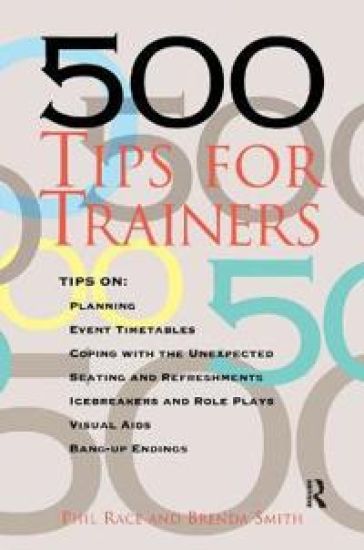
This volume brings together a range of expert tips and guidance for staff developers and trainers. Offering a collection of ready-to-use ideas, advice and support on all aspects of training, it can be used as a day-to-day resource for the experienced and less-experienced alike.
500 Tips for Trainers' is a treasure trove of more than 500 enlightening, practical suggestions. all are easy to read and simple to use. This handbook is great as a quick reference when it's time to:organize the venue create flip charts and handouts motivate the participants fill five minutes until coffee!This entertaining book is packed with good ideas, creative techniques, and extensive appendices available for photocopying. It is a basic handbook for trainers in areas such as industry, government, and healthcare, as well as for personnel and HRD staff, and staff development officers in education.Phil Race, an open and flexible learning specialist, conducts staff development workshops on learning, teaching, and assessment throughout the world. He has co-authored many books, including '500 Tips for Tutors', '500 Tips for Teachers' and 'Assess Your Own Teaching Quality'.Brenda Smith is teaching and learning quality manager at Nottingham Trent University. She facilitates seminars and is co-editor of 'Research, Teaching and Learning in Higher Education'.
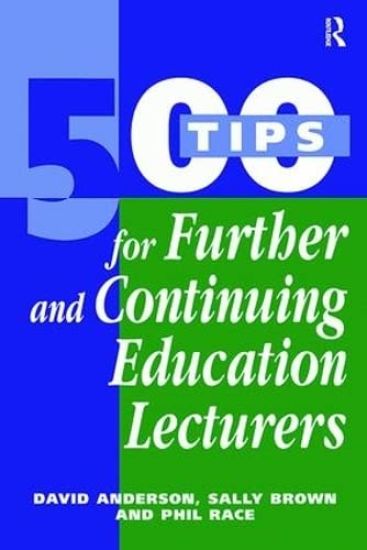
500 Tips for Further and Continuing Education Lecturers
David Anderson; Sally ( Brown; Phil Race
Routledge
2017
sidottu
Following changes in education over the years, lecturers are under increased pressure with heavier workloads and more complex assessment duties. This practical manual seeks to provide ideas on all aspects from coping with heavier workloads to working with support staff, and has a "dip-into" format.
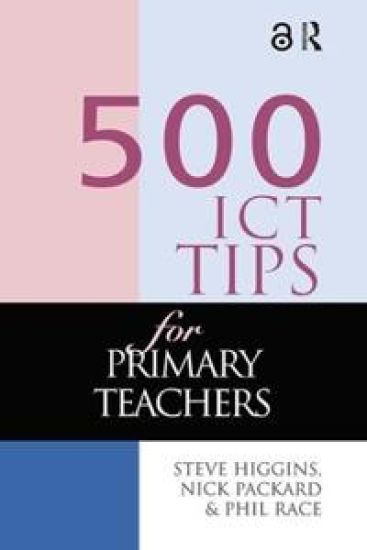
Information and Communications Technology (ICT) has been the focus of much debate and development within education, especially in the primary sector. This text offers tried and tested ideas for using IT effectively across the whole primary curriculum.
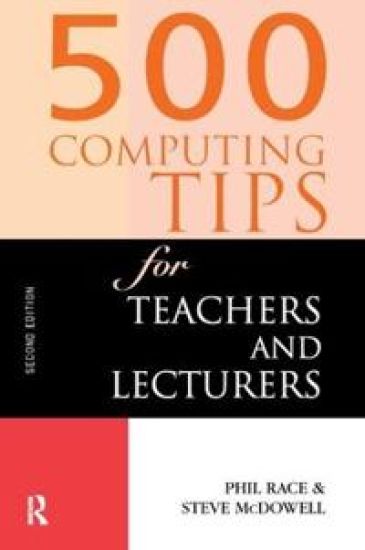
500 Computing Tips for Teachers and Lecturers
Steven McDowell; Phil Race; Steve McDowell
Routledge
2017
sidottu
This text provides user friendly advice and support for school teachers and lecturers in further and higher education who need to know what information technology and computers can do for their work.
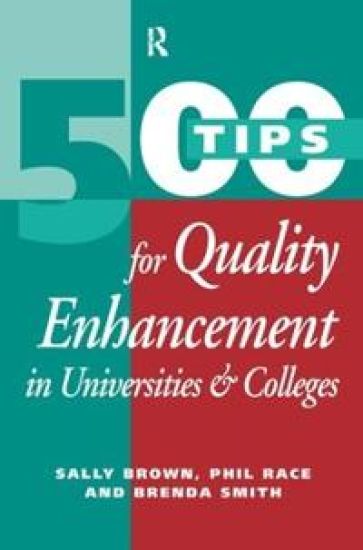
500 Tips for Quality Enhancement in Universities and Colleges
Sally Brown; Phil Race; Brenda Smith
Routledge
2017
sidottu
This handbook seeks to provide practical, realistic suggestions about how quality can be measured, maintained and improved in institutions. It is addressed to a cross-section of staff who make up colleges and universities, not just those responsible for quality audit.
All types of organisations have recognised the growing demand for open and flexible learning programmes. With the increased emphasis on new ways of learning, and the rapid move towards open and online courses, this practical guide will help those involved overcome the challenges they face. This guide provides user friendly advice and support for those currently involved with open learning and those considering it for the first time.500 Tips for Open and Online Learning aims not only to save you time but also to enhance the quality of the learning experience which learners will draw from open and online learning. The book is divided into six sections which cover:* What is Open and Online Learning, why use it and how?* How to set up Open and Online learning programmes* Designing new resource materials* Putting technology to work* Supporting open learners* Assessing open learningThis practical book will be an invaluable resource, providing immediate and accessible help to the increasing number of people now under pressure to design, support and deliver open learning programmes. This book will appeal to tutors, trainers, managers of learning resource centres and curriculum developers who are already involved in, or thinking about starting to use, aspects of open learning.
This updated text takes account of the changes that have occurred through technological advances, and has sections to cover ICT in the classroom. It is suitable for both new and experienced teachers in primary, further and higher education.
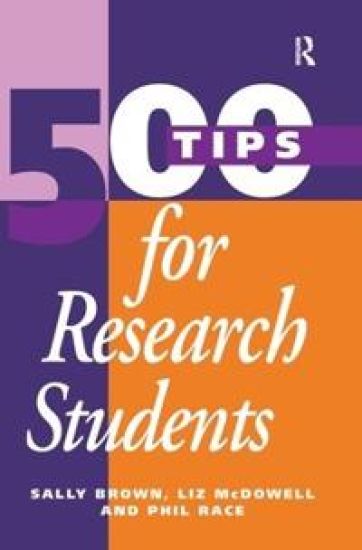
This text offers researchers practical hints and advice as well as support/guidance in planning, carrying out, writing up and publishing research findings. Topics covered include: information handling; time and self-management; writing; dealing with others; and publishing and profile.
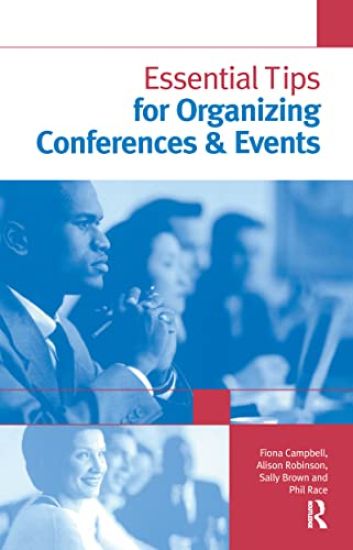
Essential Tips for Organizing Conferences & Events
Sally Brown; Fiona Campbell; Phil Race; Alison Robinson
Routledge
2016
sidottu
Many conferences and training events are organised by individuals who have little experience of doing so. Some have had the task thrust upon them without being offered adequate training, and have little idea of the time, experience and care needed to plan and manage events effectively. Each conference is different, and each can present a new problem to the unprepared, even to the most experienced conference organiser. This book provides immediate, accessible advice on how to run an effective event, featuring a wealth of practical tips, guidelines, case studies, action checklists, and useful sample material and templates. All areas of organisation are covered, including: managing, planning, contingency planning, targeting, costing and budgeting, housekeeping, administering, assuring the quality of content, evaluating, disseminating and ensuring continuity.
This book presents over 500 practical suggestions designed to help tutors establish active learning amongst their students. Divided into useful sections the tips cover the entire range of teaching and learning situations and comprise a 'start anywhere', dip-in resource suitable for both the newcomer and the old hand.Intended mainly for the university or college lecturer involved in learner-centred learning, this resource offers fresh ideas and food for thought on six broad areas of the job:getting the students goingstarting off, and working togetherthe programme itself - lectures, assignments and feedbackhelping students to learn from resourcesassessment: demonstrating evidence of achievementskills for career and life in general.This lively and stimulating book will prove invaluable to lecturers, tutors, teachers, trainers and staff developers.
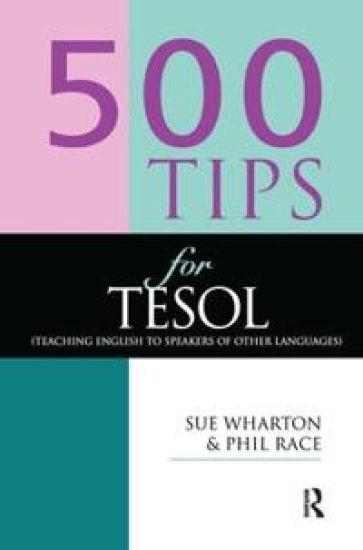
There has been a growth in the number of teachers involved in teaching English as a foreign or second language. This handbook contains practical suggestions for EFL teachers, and aims to lead to ideas which can be tried out at once. Lists of useful resources and pro-formas are included.
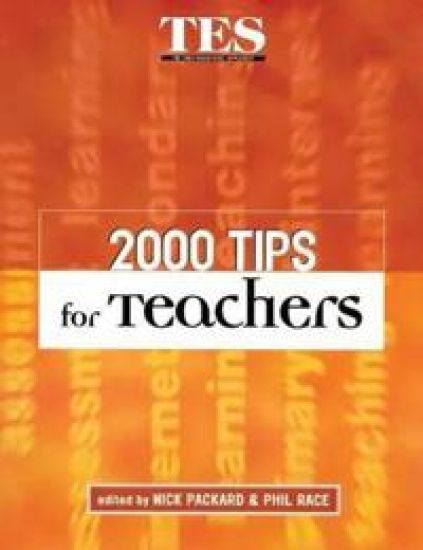
This volume brings together a wide range of advice and guidance for those teaching in primary and secondary education. It covers the full range of issues facing teachers today and is designed as a dip-in resource for experienced, newly qualified and trainee teachers alike.
Containing over 100 checklist grids of performance indicators on a wide range of teaching elements, this guide allows teachers to assess their own work, uncovering strengths and weaknesses. The text can also be used for formal peer assessment or as a basis for gathering feedback.
Brings together a range of expert tips and guidance for all those lecturing and teaching in higher education. With ideas on all aspects of HE teaching, it covers a range of issues that can crop up in daily working life, and is both a lifeline to new teachers and a handy sourcebook and refresher for more experienced educators.
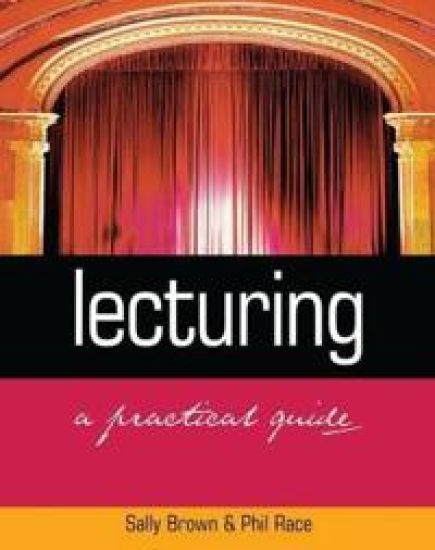
Lecturing can be a terror, a chore or an exhilarating experience. For most lecturers, at one time or another, it is all of these things. For many in HE & FE it remains the staple form of teaching and, as student groups get ever larger, good lecturing becomes ever more important.This is an accessible, friendly and confidence-boosting book for inexperienced and experienced lecturers alike. Written in a lively and straightforward style, it guides readers through the art of good lecturing. This is a book to use both to gain confidence, and to work with as the your lecturing becomes more assured. The authors show how to improve lecturing, and how lecturing is a flexible and essential tool for enhancing learning and understanding. Illustrated throughout with fascinating case studies and scenarios and with helpful hints and tips, key issues covered include: * the place and types of lecture* voice and body language* causing learning in lectures* making lectures more effective* lecturing tools and processes* engaging groups* ensuring and developing quality* tips for day-to-day use.
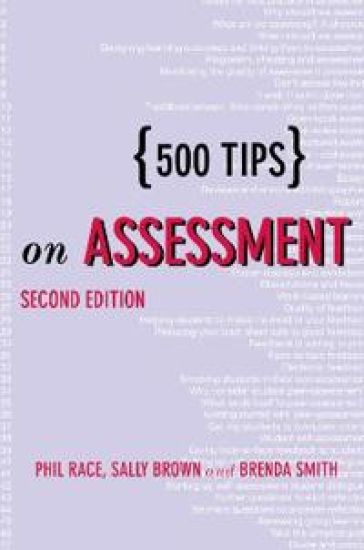
In this completely updated edition of 500 Tips on Assessment, the authors look at the questions and the problems that teachers face and provide them with practical guidance. Their advice is down-to-earth, jargon-free and digestible, covering such key issues as:putting assessment into context: best practice, learning outcomes and monitoring quality of assessmentdifferent examination formats: traditional, open-book, open-notes, oral examsdifferent assessment formats: essays, reports, practical work, presentationsfeedback and assessmentassessing group learning.