Kirjojen hintavertailu. Mukana 12 390 323 kirjaa ja 12 kauppaa.

Kirjailija

Philip Banyard

Kirjat ja teokset yhdessä paikassa: 15 kirjaa, julkaisuja vuosilta 1994-2025, suosituimpien joukossa Ethical Issues and Guidelines in Psychology. Vertaile teosten hintoja ja tarkista saatavuus suomalaisista kirjakaupoista.

15 kirjaa

Kirjojen julkaisuhaarukka 1994-2025.

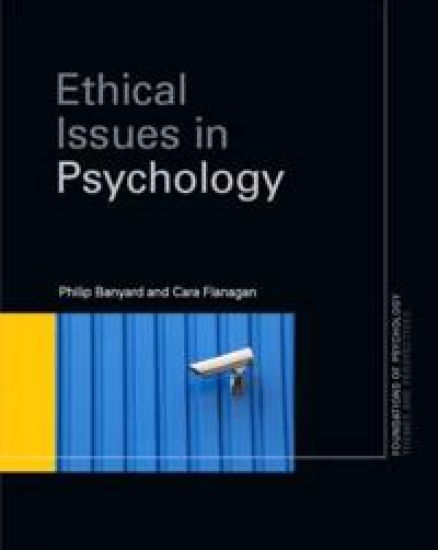
Ethical Issues in Psychology

Ethical Issues in Psychology

Philip Banyard; Cara Flanagan

TAYLOR FRANCIS LTD
2025
sidottu
Ethical Issues in Psychology: A Critical Introduction offers readers a clear review of current ethical practices and ideas in psychology and goes on to challenge some of the agreed wisdom on ethics.Ethical issues within psychology are not easy to resolve, and debates continue as we encounter new dilemmas. This book introduces ethics and their importance, and uses examples from psychological research to consider key ethical issues; ethical principles and guidelines for psychologists, including BPS guidelines; ethics in practice in psychology; ethical problems within psychology, such as racism; and methods for ethical research, including socially sensitive research, internet-mediated research, and the use of animals in psychological research. Fully up to date, this book considers recent challenges for researchers and teachers, including privacy and consent dilemmas in the use of social media for psychological research, the rise of the open science movement and an awareness of research misconduct and fraud, and the narrow focus of psychological research that positions itself as objective and scientific while sitting in a European, and therefore predominantly White, context.Offering a comprehensive examination of ethical issues in psychology across a wide range of fields, the book encourages readers to consider the ethics-related questions they should be asking when undertaking their own research. The book is essential reading for undergraduate and pre-undergraduate students of psychology and related subjects.
Ethical Issues in Psychology

Ethical Issues in Psychology

Philip Banyard; Cara Flanagan

TAYLOR FRANCIS LTD
2025
nidottu
Ethical Issues in Psychology: A Critical Introduction offers readers a clear review of current ethical practices and ideas in psychology and goes on to challenge some of the agreed wisdom on ethics.Ethical issues within psychology are not easy to resolve, and debates continue as we encounter new dilemmas. This book introduces ethics and their importance, and uses examples from psychological research to consider key ethical issues; ethical principles and guidelines for psychologists, including BPS guidelines; ethics in practice in psychology; ethical problems within psychology, such as racism; and methods for ethical research, including socially sensitive research, internet-mediated research, and the use of animals in psychological research. Fully up to date, this book considers recent challenges for researchers and teachers, including privacy and consent dilemmas in the use of social media for psychological research, the rise of the open science movement and an awareness of research misconduct and fraud, and the narrow focus of psychological research that positions itself as objective and scientific while sitting in a European, and therefore predominantly White, context.Offering a comprehensive examination of ethical issues in psychology across a wide range of fields, the book encourages readers to consider the ethics-related questions they should be asking when undertaking their own research. The book is essential reading for undergraduate and pre-undergraduate students of psychology and related subjects.
Ethical Issues in Psychology

Ethical Issues in Psychology

Philip Banyard; Cara Flanagan

Routledge
2011
sidottu
How do we know right from wrong, good from bad, help from hindrance, and how can we judge the behaviour of others?Ethics are the rules and guidelines that we use to make such judgements. Often there are no clear answers, which make this subject both interesting and potentially frustrating. In this book, the authors offer readers the opportunity to develop and express their own opinions in relation to ethics in psychology.There are many psychological studies that appear to have been harmful or cruel to the people or animals that took part in them. For example, memory researchers carried out studies on a man who had no memory for over forty years, but because he had no memory he was never able to agree to the studies. Is this a reasonable thing to do to someone? Comparative psychologist Harry Harlow found that he could create severe and lasting distress in monkeys by keeping them in social isolation. Is this a reasonable thing to do even if we find out useful things about human distress? If you were able to use psychological techniques to break someone down so that they revealed information that was useful to your government, would you do it? If so, why? If not, why not? These ethical issues are not easy to resolve and the debates continue as we encounter new dilemmas.This book uses examples from psychological research to look at:key ethical issuesethical guidelines of psychologistssocially sensitive researchethics in applied psychologythe use of animals in researchThis book is essential reading for undergraduate and pre-undergraduate students of psychology and related subjects such as philosophy and social policy.
Ethical Issues in Psychology

Ethical Issues in Psychology

Philip Banyard; Cara Flanagan

Routledge
2011
nidottu
How do we know right from wrong, good from bad, help from hindrance, and how can we judge the behaviour of others?Ethics are the rules and guidelines that we use to make such judgements. Often there are no clear answers, which make this subject both interesting and potentially frustrating. In this book, the authors offer readers the opportunity to develop and express their own opinions in relation to ethics in psychology.There are many psychological studies that appear to have been harmful or cruel to the people or animals that took part in them. For example, memory researchers carried out studies on a man who had no memory for over forty years, but because he had no memory he was never able to agree to the studies. Is this a reasonable thing to do to someone? Comparative psychologist Harry Harlow found that he could create severe and lasting distress in monkeys by keeping them in social isolation. Is this a reasonable thing to do even if we find out useful things about human distress? If you were able to use psychological techniques to break someone down so that they revealed information that was useful to your government, would you do it? If so, why? If not, why not? These ethical issues are not easy to resolve and the debates continue as we encounter new dilemmas.This book uses examples from psychological research to look at:key ethical issuesethical guidelines of psychologistssocially sensitive researchethics in applied psychologythe use of animals in researchThis book is essential reading for undergraduate and pre-undergraduate students of psychology and related subjects such as philosophy and social policy.
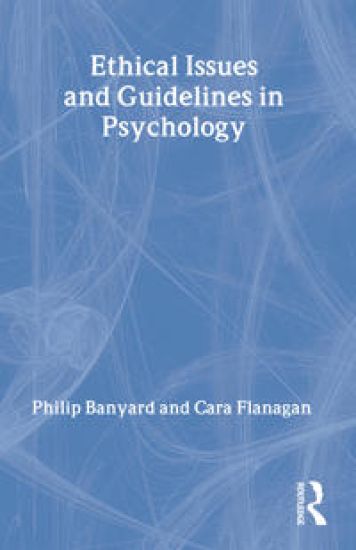
Ethical Issues and Guidelines in Psychology

Ethical Issues and Guidelines in Psychology

Philip Banyard; Cara Flanagan

Routledge
2006
sidottu
How do we know right from wrong, good from bad, help from hindrance, and how can we judge the behavior of others? Ethics are the rules and guidelines that we use to make such judgements. Often there are no clear answers, which make this subject both interesting and potentially frustrating. In this book the authors offer readers the opportunity to develop and express their own opinions in relation to ethics in psychology.There are a number of famous many psychological studies that appear to have been harmful or cruel to the people or animals who took part in them. For example, memory researchers carried out studies on a man who had no memory for over forty years, but because he had no memory, he was never able to agree to the studies. Is this a reasonable thing to do to someone? Comparative psychologist Harry Harlow found that he could create severe and lasting distress in monkeys by keeping them in social isolation. Is this a reasonable thing to do even if we find out useful things about human distress?If you were able to use psychological techniques to break someone down so that they revealed information that was useful to your government would you do it? If so, why and if not, why not? These ethical issues are not easy to resolve and the debates continue as we encounter new dilemmas.The book uses many examples of psychological research to look at key ethical issues ethical guidelines of psychologists socially sensitive research ethics in applied psychology the use of animals in researchThis book will be essential reading for and undergraduate and pre-undergraduate students studying psychology and students of other subjects concerned with ethics.
Ethical Issues and Guidelines in Psychology

Ethical Issues and Guidelines in Psychology

Philip Banyard; Cara Flanagan

Routledge
2006
nidottu
How do we know right from wrong, good from bad, help from hindrance, and how can we judge the behavior of others? Ethics are the rules and guidelines that we use to make such judgements. Often there are no clear answers, which make this subject both interesting and potentially frustrating. In this book the authors offer readers the opportunity to develop and express their own opinions in relation to ethics in psychology.There are a number of famous many psychological studies that appear to have been harmful or cruel to the people or animals who took part in them. For example, memory researchers carried out studies on a man who had no memory for over forty years, but because he had no memory, he was never able to agree to the studies. Is this a reasonable thing to do to someone? Comparative psychologist Harry Harlow found that he could create severe and lasting distress in monkeys by keeping them in social isolation. Is this a reasonable thing to do even if we find out useful things about human distress?If you were able to use psychological techniques to break someone down so that they revealed information that was useful to your government would you do it? If so, why and if not, why not? These ethical issues are not easy to resolve and the debates continue as we encounter new dilemmas.The book uses many examples of psychological research to look at key ethical issues ethical guidelines of psychologists socially sensitive research ethics in applied psychology the use of animals in researchThis book will be essential reading for and undergraduate and pre-undergraduate students studying psychology and students of other subjects concerned with ethics.
Controversy and Psychology

Controversy and Psychology

Philip Banyard

TAYLOR FRANCIS LTD
2022
nidottu
Controversy and Psychology examines a range of areas studied in psychology which have sparked controversy, encouraging readers to think critically about the research they engage with in order to develop their own opinions by recognising biases in this discipline.Author Phil Banyard investigates the popular, mainstream subject of psychology through a critical eye, presenting a researched account of how the discipline, practice, research methods, and theories of psychology have focused on a narrow group of people and in so doing brought harm to others. The controversies addressed in the text include methods in psychology, the history and ongoing acceptance of racism in psychology, the categorisation and quantification of people, the excessive and unhelpful use of diagnostic categories, the involvement of psychologists in warfare, and finally the role of psychologists in persuasive messaging. This illuminating text explores the history of these controversies and highlights how they continue to affect the profession and its interactions with people.Controversy and Psychology is an essential read for undergraduate and pre-undergraduate students studying psychology and for anyone in related fields looking to gain a broader knowledge of the more contentious aspects of the discipline and enhance their critical thinking skills. Professionals and researchers looking to re-examine their working methods can also benefit from the book.
Controversy and Psychology

Controversy and Psychology

Philip Banyard

TAYLOR FRANCIS LTD
2022
sidottu
Controversy and Psychology examines a range of areas studied in psychology which have sparked controversy, encouraging readers to think critically about the research they engage with in order to develop their own opinions by recognising biases in this discipline.Author Phil Banyard investigates the popular, mainstream subject of psychology through a critical eye, presenting a researched account of how the discipline, practice, research methods, and theories of psychology have focused on a narrow group of people and in so doing brought harm to others. The controversies addressed in the text include methods in psychology, the history and ongoing acceptance of racism in psychology, the categorisation and quantification of people, the excessive and unhelpful use of diagnostic categories, the involvement of psychologists in warfare, and finally the role of psychologists in persuasive messaging. This illuminating text explores the history of these controversies and highlights how they continue to affect the profession and its interactions with people.Controversy and Psychology is an essential read for undergraduate and pre-undergraduate students studying psychology and for anyone in related fields looking to gain a broader knowledge of the more contentious aspects of the discipline and enhance their critical thinking skills. Professionals and researchers looking to re-examine their working methods can also benefit from the book.
OCR Psychology

OCR Psychology

Philip Banyard

Psychology Press Ltd
2017
sidottu
OCR Psychology, Third Edition, is endorsed by OCR for use with the OCR AS Psychology specification.This book prepares students for all elements of the OCR Psychology AS exam. It covers both research methods and core studies, giving the who, what, where, and even the why of each study. It also looks at some of the work that followed the studies. Key features of the book include: 'Psychological Investigations': the first chapter of the book helps students to understand research methods in psychology ? useful support for the Psychological Investigations exam and for understanding the core studies themselves. Core Studies: each study is described first ?In a Nutshell?, followed by a detailed account of the aims, method, results and conclusions. Guidance is given on how each study can be evaluated and a wealth of extra materials is provided for each study ? questions to assess understanding, practical activities, multiple choice and exam-style questions, further reading and video links. Background to each core study is included in the ?Starters? and ?Afters? features: information about related research before and after the study; and biographical details of the researcher(s). Approaches, perspectives, issues and methods are considered in a brand-new chapter to cover the themes of the course and prepare students for the long-answer questions on the Core Studies exam. Exam guidance: each chapter ends with short- and long-answer exam-style questions answered by students with teacher feedback. The book is presented in colourful and well-structured magazine-style spreads to aid the learning process. This 3rd edition has been completely revised, and is now accompanied by a companion website featuring an extensive range of online resources for both teachers and students, including answers to the questions
OCR Psychology

OCR Psychology

Philip Banyard

Psychology Press Ltd
2013
nidottu
OCR Psychology, Third Edition, is endorsed by OCR for use with the OCR AS Psychology specification.This book prepares students for all elements of the OCR Psychology AS exam. It covers both research methods and core studies, giving the who, what, where, and even the why of each study. It also looks at some of the work that followed the studies. Key features of the book include: 'Psychological Investigations': the first chapter of the book helps students to understand research methods in psychology – useful support for the Psychological Investigations exam and for understanding the core studies themselves. Core Studies: each study is described first ‘In a Nutshell’, followed by a detailed account of the aims, method, results and conclusions. Guidance is given on how each study can be evaluated and a wealth of extra materials is provided for each study – questions to assess understanding, practical activities, multiple choice and exam-style questions, further reading and video links. Background to each core study is included in the ‘Starters’ and ‘Afters’ features: information about related research before and after the study; and biographical details of the researcher(s). Approaches, perspectives, issues and methods are considered in a brand-new chapter to cover the themes of the course and prepare students for the long-answer questions on the Core Studies exam. Exam guidance: each chapter ends with short- and long-answer exam-style questions answered by students with teacher feedback. The book is presented in colourful and well-structured magazine-style spreads to aid the learning process. This 3rd edition has been completely revised, and is now accompanied by a companion website featuring an extensive range of online resources for both teachers and students, including answers to the questions posed in the book, glossary flash-cards, and multiple-choice test banks.
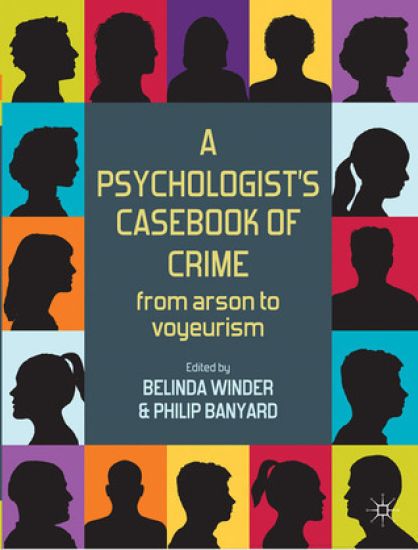
A Psychologist's Casebook of Crime

A Psychologist's Casebook of Crime

Belinda Winder; Philip Banyard

Red Globe Press
2012
nidottu
From burglary to stalking, A Psychologist's Casebook of Crime is the indispensable book for forensic psychology students. It tackles a wide range of offences such as arson, domestic violence, terrorism and murder, and its A to Z format provides all of the important information in a readily accessible way. Its chapter structure allows you to compare different crimes according to facts, figures and typical offender profiles, while providing fascinating case studies and a psychological perspective specific to each crime.With contributions from authors who are experts in their field, this innovative text provides an up-to-date review of how forensic psychologists think about and deal with a variety of crimes. This accessible student-friendly book is the perfect accompaniment for anyone wishing to learn more about forensic psychology.
Introducing Psychological Research

Introducing Psychological Research

Philip Banyard; Andrew Grayson

Red Globe Press
2007
nidottu
Crucially, the foundations of good psychology, in both practice and knowledge, are the ability to understand and carry out effective methods in psychological research. Subsequently, this title aims to introduce students to a thorough history of the key psychological studies across the sub-disciplines of social, developmental, cognitive and biological psychology as well as neuroscience. Research case-studies are described and critiqued encouraging students to critically think about the wider implications of how research is conducted and the subsequent findings that they produce. The pivotal case studies covered have been specifically chosen to illustrate how psychological methods in research have evolved over the history of the discipline and to showcase as broad an overview as possible of the various ways in which research may be conducted; including controlled experiments, in-depth interviewing and literature searches. The book is essential for undergraduate students looking for a comprehensive and clearly written guide to both the classic and contemporary studies that have informed the research methods in the discipline of psychology today. This book has been written to provide clear and well-explained summaries that encourage critical reflection and discussion of the material learnt, making this an apt introduction for students wishing to learn about the valid methods of carrying out empirical research.
Understanding and Using Statistics in Psychology

Understanding and Using Statistics in Psychology

Jeremy Miles; Philip Banyard

SAGE Publications Inc
2007
sidottu
`There are few people who can write about research methods in a lively and engaging way, but Miles and Banyard are amongst them. As well as being an exceptionally clear introduction to research methods, it is full of amusing asides and anecdotes that make you want to read more. A hugely enjoyable book' - Dr Andy Field, University of Sussex Understanding and Using Statistics in Psychology takes the fear out of psychological statistics to help students understand why statistics are carried out, how to choose the best test and how to carry out the tests and understand them. Taking a non-technical approach, it encourages the reader to understand why a particular test is being used and what the results mean in the context of a psychological study, focusing on meaning and understanding rather than mindless numerical calculation. Key features include: - A light and accessible style - Descriptions of the most commonly used statistical tests and the principles that underlie them - Real world examples to aid the understanding of why statistics are valuable - Boxes on common errors, tips and quotes - Test yourself questions The perfect introductory resource, Understanding and Using Statistics in Psychology will guide any student new to statistics effortlessly through the process of test selection and analysis.
Understanding and Using Statistics in Psychology

Understanding and Using Statistics in Psychology

Jeremy Miles; Philip Banyard

SAGE Publications Inc
2007
nidottu
`There are few people who can write about research methods in a lively and engaging way, but Miles and Banyard are amongst them. As well as being an exceptionally clear introduction to research methods, it is full of amusing asides and anecdotes that make you want to read more. A hugely enjoyable book' - Dr Andy Field, University of Sussex Understanding and Using Statistics in Psychology takes the fear out of psychological statistics to help students understand why statistics are carried out, how to choose the best test and how to carry out the tests and understand them. Taking a non-technical approach, it encourages the reader to understand why a particular test is being used and what the results mean in the context of a psychological study, focusing on meaning and understanding rather than mindless numerical calculation. Key features include: - A light and accessible style - Descriptions of the most commonly used statistical tests and the principles that underlie them - Real world examples to aid the understanding of why statistics are valuable - Boxes on common errors, tips and quotes - Test yourself questions The perfect introductory resource, Understanding and Using Statistics in Psychology will guide any student new to statistics effortlessly through the process of test selection and analysis.
Psychology

Psychology

Philip Banyard; Hayes Nicky

CHAPMAN AND HALL
1994
nidottu
In this book we have aimed to give you, the reader, an introduction to some of the basic theoretical concepts in psychology and to show how they have been applied in a range of professional areas. Psychology is a subject that most of us are interested in, and in this text we have tried to show what a versatile discipline psychology is and what an exciting subject it can be to study. The book is designed to show the connections between the various areas of applied psychology. For the most part, applied psychologists tend to produce specialist texts which are relevant to their own area of work. But much of the research in work psychology, for example, is rele­ vant to the applied areas of sport or health or education, and research into sport psychology has messages for health psychology too. What we is to draw out the relationships between the have tried to do in this text various areas and show how the same basic concepts may manifest themselves in different applied fields.