

Kirjailija
Philip Gabriel
Kirjat ja teokset yhdessä paikassa: 3 kirjaa, julkaisuja vuosilta 1998-2024, suosituimpien joukossa The Forest of Wool and Steel. Vertaile teosten hintoja ja tarkista saatavuus suomalaisista kirjakaupoista.
3 kirjaa
Kirjojen julkaisuhaarukka 1998-2024.
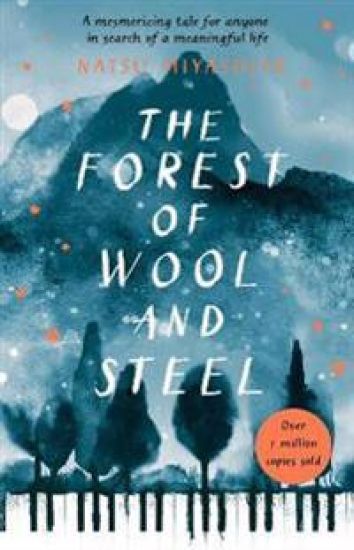
OVER ONE MILLION COPIES SOLD''A mesmerising reading experience for all of us seeking a meaningful life' JAPAN TIMESWhat he experienced that day wasn’t life-changing . . . It was life-making.Tomura is startled by the hypnotic sound of a piano being tuned in his school. It seeps into his soul and transports him to the forests, dark and gleaming, that surround his beloved mountain village. From that moment, he is determined to discover more.Under the tutelage of three master piano-tuners – one humble, one jovial, one ill-tempered – Tomura embarks on his training, never straying too far from a single, unfathomable question: do I have what it takes?Set in small-town Japan, this warm and mystical story is for the lucky few who have found their calling – and for the rest of us who are still searching. It shows that the road to finding one’s purpose is a winding path, often filled with treacherous doubts and, for those who persevere, astonishing moments of revelation.Mega-bestselling winner of the Japan Booksellers Award, selected by bookshop staff as the book they most wanted to hand-sell: A tender and uplifting novel for fans of A WHOLE LIFE by Robert Seethaler.[Contains 5 exquisite hand-drawn illustrations]

This text presents a searching study of Shimao Toshio and his work. It is not only a thorough assessment of his literary legacy, but also aims to consider the broader issues relating to the emergence and nature of the postwar Japanese sense of identity. The book contextualizes Toshio's ""dream stories"" as a literary expression of wartime trauma, and argues that Shimao's powerful narration of guilt and victimization challenges standard readings of Japanese war literature. The author links all of the seemingly disparate strands in Toshio's stories, and shows that together they represent a consistent attempt to depict the existence of ""the other"".