Kirjojen hintavertailu. Mukana 12 595 353 kirjaa ja 12 kauppaa.

Kirjailija

PHILIP KEMP

Kirjat ja teokset yhdessä paikassa: 4 kirjaa, julkaisuja vuosilta 2009-2018, suosituimpien joukossa Cine. Toda la historia. Vertaile teosten hintoja ja tarkista saatavuus suomalaisista kirjakaupoista.

4 kirjaa

Kirjojen julkaisuhaarukka 2009-2018.

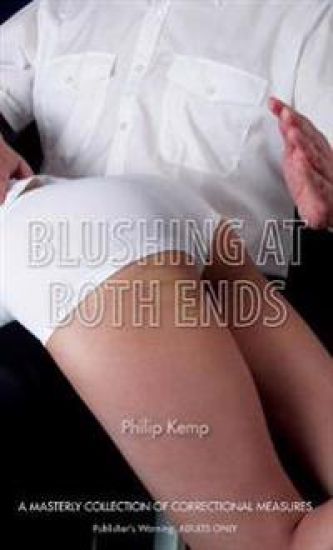
Blushing at Both Ends

Blushing at Both Ends

Philip Kemp

Nexus
2018
pokkari
'FABULOUSLY EVOCATIVE' DESIRE Funny, full of surprises and always arousing, this is a brilliant collection of stories about innocent young women drawn into scenarios that result in the sensual pleasures of spanking. Girls who feel compelled to manipulate and engineer situations in which older authority figures punish them, over their laps, desks, or chairs.
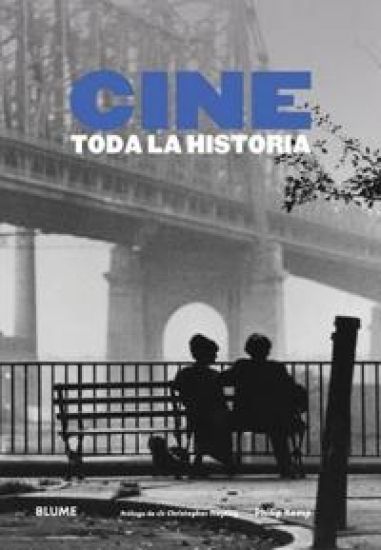
Cine. Toda la historia

Cine. Toda la historia

PHILIP KEMP; SIR CHRISTOPHER FRAYLING

Blume
2013
nidottu
The context of cultural and social change enriches this study of the cinematic world, creating a fascinating guide to film that examines each stage of cinema's development with scholarly detail in an easy-to-read format. Organized chronologically, the book traces the evolution of cinema from the earliest days of film projection to the golden age of film halls, drive-ins, outdoor shows, and the current multiplexes. Profusely illustrated and with clear and well-documented text, this study looks at every cinematographic genre, from silent and propaganda films to newsreels, musicals, Hollywood blockbusters, independent films, and more. Also included is a discussion of the ideas and work of key screenwriters, directors, and actors. "El contexto de cambio cultural y social enriquece este estudio del mundo cinematografico, creando una fascinante guia del cine que examina cada etapa del desarrollo del cine con detenimiento academico en un formato facil de leer. Organizado cronologicamente, el libro traza la evolucion del cine, desde los mas tempranos espectaculos de los farolillos magicos hasta la era dorada de las salas cinematograficas, los autocines, los espectaculos al aire libre y los complejos multisalas. Profusamente ilustrado y con un texto claro y documentado, este estudio abarca cada uno de los generos cinematograficos, incluyendo a los primeros filmes mudos, el cine de propaganda, los noticiarios, los lujosos musicales, las grandes producciones de Hollywood, las peliculas de bajo presupuesto y mas. Tambien se incluye una discusion sobre las ideas y los trabajos de guionistas, directores y actores claves."
The "Apu Trilogy"

The "Apu Trilogy"

Philip Kemp

BFI Publishing
2009
pokkari
Released between 1955 and 1959, the three films that became known as Satyajit Ray's "Apu Trilogy" introduced a major new filmmaking talent to the world. Based on a classic Bengali novel, "The Song of the Road" by Bibhutibhusan Banerji, the trilogy traces the life of its young hero, Apu, starting in "Pather Panchali" (1955) with Apu's boyhood in a remote Bengali village. "Aparajito" ("The Unvanquished") (1956) follows Apu's adolescence and growing ambitions in the slums of Benares, while in "Apur Sansa" ("The World of Apu") (1959) the tragic end of a brief marriage leads to Apu's self-imposed exile and final reconciliation with his young son. Ray, a passionate cinephile with a background in advertising, had no practical knowledge of film-making when, with a group of equally inexperienced friends, a largely amateur cast and infinitesimal budget, he embarked on "Pather Panchali". Despite this, his intelligence, acute dramatic instinct and poet's eye created a film that won awards at Cannes and was hailed as a revelation, and has retained its status as a classic of world cinema ever since. Philip Kemp's wide-ranging and insightful study of the trilogy traces the genesis of 'Pather Panchali' and its two sequels, placing the films in the wider context of Indian cinema and of Ray's subsequent career, highlighting the warmth and insight of Ray's direction and analysing the overarching cyclical structure that makes the trilogy such a satisfying and moving experience. Satyajit Ray went on to make nearly thirty more films, many of them more complex and sophisticated than the Trilogy, but this seminal early work still holds pride of place in the affection of his admirers.