

Kirjailija
Philip Meadows Taylor
Kirjat ja teokset yhdessä paikassa: 35 kirjaa, julkaisuja vuosilta 2001-2025, suosituimpien joukossa A memoir of the family of Taylor of Norwich. Vertaile teosten hintoja ja tarkista saatavuus suomalaisista kirjakaupoista.
35 kirjaa
Kirjojen julkaisuhaarukka 2001-2025.

The Orientalist; Containing a Series of Tales, Legends, and Historical Romances ... with Engravings by W. and E. Finden, from Sketches by the Author, and Captain Meadows Taylor.
Thomas Bacon; Edward Francis Finden; Philip Meadows Taylor
British Library, Historical Print Editions
2011
pokkari
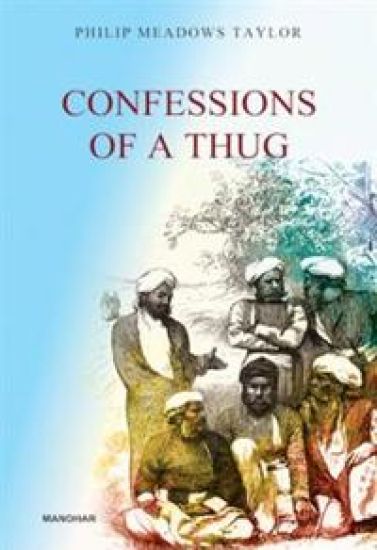
Confessions of a Thug, a fictionalized ethnography, explores the thuggery system prevalent in nineteenth-century British India. The novel is significant for popularizing the Hindi-Urdu word ‘thug’ in the British and English languages. Centered around Ameer Ali, an anti-hero protagonist, the work delves into the lives of thugs and their criminal activities. It also sheds light on denotified tribes, where banditry had been a traditional occupation for generations.
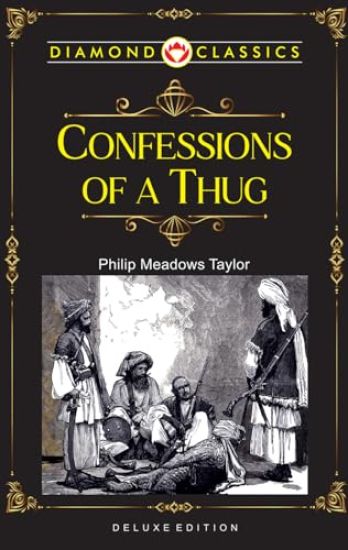

'Confessions of a Thug' is a gripping tale set against the backdrop of British colonial India. This historical novel delves into the shadowy world of the cult, notorious for its ritualistic murders and highway robberies. This shocking true- crime account, based on the author's experiences in colonial India, offers a thrilling glimpse into a hidden world. It is not only a riveting adventure story but also a thought-provoking exploration of the human condition. This timeless classic continues to captivate readers and illuminate the complexities of colonialism, crime, and power.It offers a thrilling glimpse into a hidden world. Confessions of a Thug will keep you riveted until the very last page. It holds historical significance as a literary work that provides insight into the social, cultural, and political landscape of colonial India during the 19th century.

'You have given a faithful portrait of a Thug's life, his ceremonies, and his acts' Often overshadowed by Kipling's Kim or Forster's A Passage to India, Philip Meadows Taylor's forgotten classic, Confessions of a Thug (1839), is nevertheless the most influential novel of early nineteenth-century British India. This was the first dramatic account to expose a European readership to the fantastic world of the murderous Thugs, or highway robbers, who strangled their victims and who have ever since been a stable of Western popular culture. Writing in the voice of a captured Thug, Taylor presents an Orientalist fantasy that is part picaresque adventure and part colonial exposé. Confessions of a Thug offers a unique glimpse of the colonial world in the making, revealing how the British imagined themselves to be omniscient and in complete control of their Indian subjects. This unique critical edition makes available a fascinating and significant work of Empire writing, in addition to excerpts from the original colonial texts that inspired Taylor's narrative.

The third and final in a series, ‘Seeta’ is an eponymous novel, set against the backdrop of Sepoy Mutiny of 1857, or the First War of Indian Independence as it is now regarded. The first and second parts are‘Tara’ and ‘Ralph Darnell’ respectively. Written by [Philip] Meadows Taylor, this novel narrates the story of the widow Seeta and her husband, a British civil servant, and what they and their friends and family undergo before, during and after the uprising. Other than the uprising, some incidents, such as the dacoity that the novel opens with – Taylor himself was engaged in its trial in the district court – are authentic; others are products of his creativity – as are the characters and some locations. However, the situations and events are all believable, the characters are well-drawn and relatable, and the book is free of the prejudice that one often sees in novels of that era.
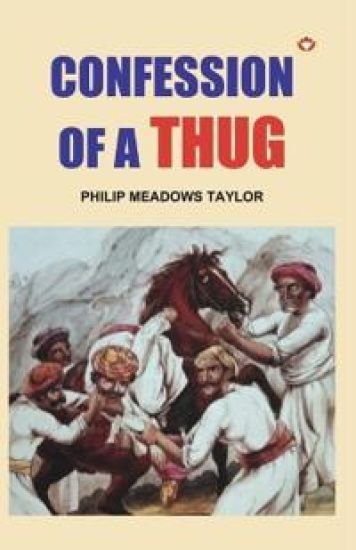
Confessions of a Thug is an English novel written by Philip Meadows Taylor. This crime-novel was first published in 1839. A best-seller in 19th-century Britain, the novel is based on the Thuggee cult in India. Its popularity can be gauged from the fact that many consider it as the British Empire's most sensational folklore fiction in the first half of the 19th century. Many readers in India place it as one of the most influential novels about India. Thanks to this novel, the word "thug" incorporated in the English dictionary, meaning deceiver.The plot of Confessions of a Thug revolves around a fictional character, a Muslim thug named Ameer Ali. It tells a tale of crime and retribution in India which started in the late 18th century and ended in 1832. The novels story divulges the practices of the Thugs, as they were called. During that period, they resorted to murdering innocent travelers for money and valuables. Alis confession and conversation with authors stand-in English man provides a strand for the narrative of the novel.
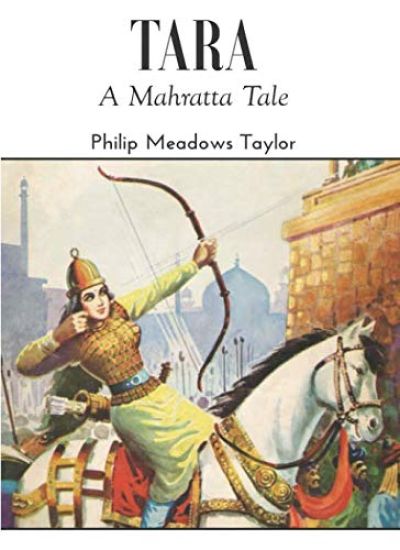
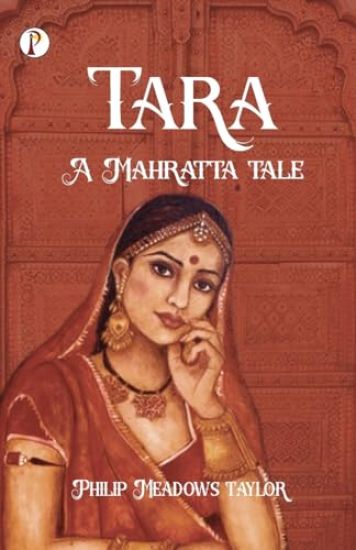
""Tara: A Mahratta Tale"" by Meadows Taylor is an ""attempt to bring the interior Hindoo and Mussulman life of a great Mahratta province during the most exciting times home to the hearts and understandings of Englishmen, to interest them in people with whom they have nothing except human nature in common."" The Times: ""For its rapid action, in fact, we have seldom read a better story, or one which is more full of incidents, sanguinary, trenchant, and robust."" The Daily Telegraph: ""A true and a wonderfully well-sustained piece of Oriental life and striking history.""
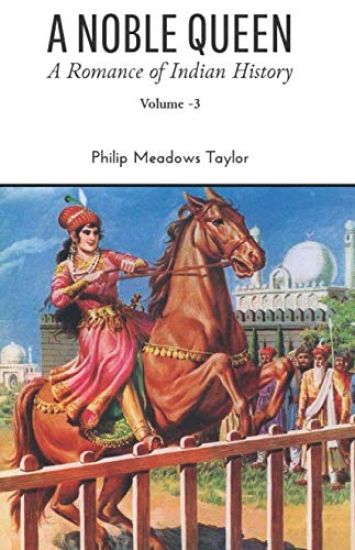
A NOBLE QUEEN A Romance of Indian History VOLUME - III
Philip Meadows Taylor
Mjp Publishers
2023
sidottu

A NOBLE QUEEN A Romance of Indian History VOLUME - II
Philip Meadows Taylor
Mjp Publishers
2023
sidottu
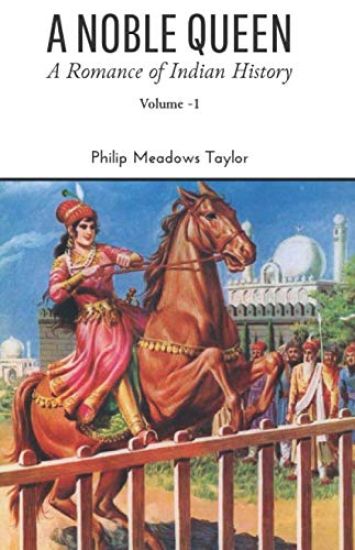
A NOBLE QUEEN A Romance of Indian History VOLUME - I
Philip Meadows Taylor
Mjp Publishers
2023
sidottu
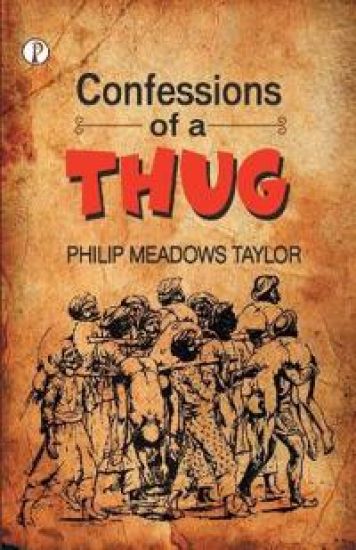
During the summer of 1839, Queen Victoria heard of a soon-to-be-published novel, which was going to expose a gruesome aspect of her Indian dominions. Intrigued, she summoned Richard Bentley and demanded to see page proofs. Duly delivered to the Queen were the first chapters of a compelling account of ritual murder committed by a thrilling, dark-eyed strangler named Ameer Ali, a character said-to-be based on a real criminal called Feringhea. Later that year, Confessions of a Thug, became the first best-selling Anglo-Indian novel. Interestingly, this work of literature is a part of history as it established the word ""thug"" in the English language. Confessions of a Thug (1839) is a remarkable novel that recounts the life of a thug named Ameer Ali. In the pour of a confession to a white 'sahib', the imprisoned Ameer Ali narrates his life as a devoted follower of Thuggee, a practice of murder and robbery performed in the name of a religious cult. This novel offers a strikingly vivid and thrilling experience written in a simple, straight forward English, which any reader of modern imaginative literature will have absolutely no trouble reading.
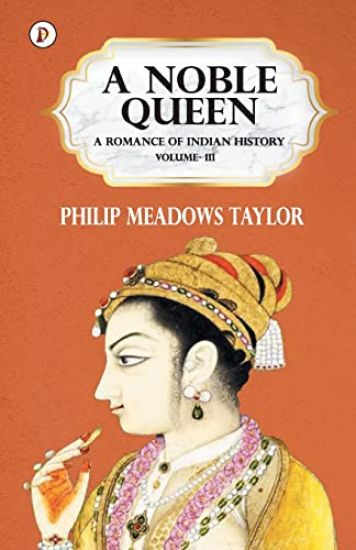
A Noble Queen: A Romance of Indian History by Philip Meadows Taylor is a novel written in three volumes that depicts one of the most important epochs in the history of the Deccan. The book features the life of the noble queen Chand Bibi who is remembered not only as the preserver of Bijapur, but for the heroic opposition she maintained against the Mughal armies in their first invasion of the Deccan and siege of Ahmednagar. Following an alliance policy, Chand Bibi was married to Ali Adil Shah I of the Bijapur Sultanate, who favored Shi'as. After his death in 1580, the Shi'a nobles proclaimed his nine-year-old nephew Ibrahim Adil Shah II as the ruler. A Deccani general called Kamal Khan seized power and became the regent. Kamal Khan was disrespectful towards Chand Bibi, who felt that he had ambitions to usurp the throne. Chand Bibi plotted an attack against Kamal Khan. Kamal Khan was captured while fleeing and was beheaded in the fort. Kishvar Khan became the second regent of Ibrahim. In a battle against the Ahmednagar Sultanate at Dharaseo, the Bijapur army led by him captured all the artillery and elephants of the enemy army. After the victory, Kishvar Khan ordered other Bijapuri generals to surrender all the captured elephants to him. The elephants were highly valued, and the other generals took great offense. Along with Chand Bibi, they hatched a plan to eliminate Kishvar Khan. Chand Bibi challenged Kishvar Khan, but he got her imprisoned and tried to declare himself the king. However, Kishvar Khan became very unpopular among the rest of the generals. He was forced to flee when a joint army led by a Habshi general called Ikhlas Khan marched to Bijapur. Following this, Chand Bibi acted as the regent for a short time. Ikhlas Khan then became the regent and was soon challenged by the other Habshi generals. Taking advantage of the situation in Bijapur, Ahmednagar's Nizam Shahi sultan planned to attack Bijapur. The troops available at Bijapur were not sufficient to repulse this attack. The Habshi generals realized that they could not defend the city alone, and tended their resignation to Chand Bibi. When order was restored in Bijapur kingdom, Chand Bibi returned to Ahmednagar. In 1591, the Mughal emperor Akbar asked all the four Deccan sultanates to acknowledge his supremacy. All the sultanates evaded compliance, and Akbar's ambassadors returned in 1593. In 1595, Ibrahim Nizam Shah, the ruler of Ahmednagar Sultanate was killed in a fierce battle. After his death, some nobles felt that his infant son Bahadur Shah should be proclaimed the king under the regency of Chand Bibi (his father's aunt). However, the Deccani minister Miyan Manju proclaimed the twelve-year-old Ahmad Nizam Shah II as the ruler. The Habshi nobles of Ahmednagar, led by Ikhlas Khan, were against this plan. The rising dissent among the nobles prompted Miyan Manju to invite Akbar's son Murad Mirza to march his army to Ahmednagar. While Murad was on the way to Ahmednagar, many noblemen left Ikhlas Khan and joined Miyan Manju. Miyan Manju defeated Ikhlas Khan and other opponents. Now, he regretted having invited the Mughals, but it was too late. He requested Chand Bibi to accept the regency and marched out of Ahmednagar. Chand Bibi accepted the regency and proclaimed Bahadur Shah king of Ahmednagar.

A Noble Queen: A Romance of Indian History by Philip Meadows Taylor is a novel written in three volumes that depicts one of the most important epochs in the history of the Deccan. The book features the life of the noble queen Chand Bibi who is remembered not only as the preserver of Bijapur, but for the heroic opposition she maintained against the Mughal armies in their first invasion of the Deccan and siege of Ahmednagar. Following an alliance policy, Chand Bibi was married to Ali Adil Shah I of the Bijapur Sultanate, who favored Shi'as. After his death in 1580, the Shi'a nobles proclaimed his nine-year-old nephew Ibrahim Adil Shah II as the ruler. A Deccani general called Kamal Khan seized power and became the regent. Kamal Khan was disrespectful towards Chand Bibi, who felt that he had ambitions to usurp the throne. Chand Bibi plotted an attack against Kamal Khan. Kamal Khan was captured while fleeing and was beheaded in the fort. Kishvar Khan became the second regent of Ibrahim. In a battle against the Ahmednagar Sultanate at Dharaseo, the Bijapur army led by him captured all the artillery and elephants of the enemy army. After the victory, Kishvar Khan ordered other Bijapuri generals to surrender all the captured elephants to him. The elephants were highly valued, and the other generals took great offense. Along with Chand Bibi, they hatched a plan to eliminate Kishvar Khan. Chand Bibi challenged Kishvar Khan, but he got her imprisoned and tried to declare himself the king. However, Kishvar Khan became very unpopular among the rest of the generals. He was forced to flee when a joint army led by a Habshi general called Ikhlas Khan marched to Bijapur. Following this, Chand Bibi acted as the regent for a short time. Ikhlas Khan then became the regent and was soon challenged by the other Habshi generals. Taking advantage of the situation in Bijapur, Ahmednagar's Nizam Shahi sultan planned to attack Bijapur. The troops available at Bijapur were not sufficient to repulse this attack. The Habshi generals realized that they could not defend the city alone, and tended their resignation to Chand Bibi. When order was restored in Bijapur kingdom, Chand Bibi returned to Ahmednagar. In 1591, the Mughal emperor Akbar asked all the four Deccan sultanates to acknowledge his supremacy. All the sultanates evaded compliance, and Akbar's ambassadors returned in 1593. In 1595, Ibrahim Nizam Shah, the ruler of Ahmednagar Sultanate was killed in a fierce battle. After his death, some nobles felt that his infant son Bahadur Shah should be proclaimed the king under the regency of Chand Bibi (his father's aunt). However, the Deccani minister Miyan Manju proclaimed the twelve-year-old Ahmad Nizam Shah II as the ruler. The Habshi nobles of Ahmednagar, led by Ikhlas Khan, were against this plan. The rising dissent among the nobles prompted Miyan Manju to invite Akbar's son Murad Mirza to march his army to Ahmednagar. While Murad was on the way to Ahmednagar, many noblemen left Ikhlas Khan and joined Miyan Manju. Miyan Manju defeated Ikhlas Khan and other opponents. Now, he regretted having invited the Mughals, but it was too late. He requested Chand Bibi to accept the regency and marched out of Ahmednagar. Chand Bibi accepted the regency and proclaimed Bahadur Shah king of Ahmednagar.
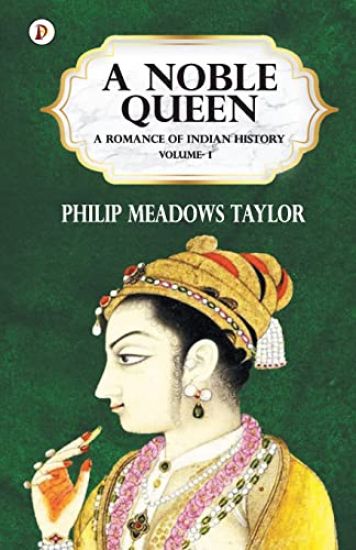
A Noble Queen a Romance of Indian History Vol I
Philip Meadows Taylor
Pharos Books Private Limited
2022
pokkari
A Noble Queen: A Romance of Indian History by Philip Meadows Taylor is a novel written in three volumes that depicts one of the most important epochs in the history of the Deccan. The book features the life of the noble queen Chand Bibi who is remembered not only as the preserver of Bijapur, but for the heroic opposition she maintained against the Mughal armies in their first invasion of the Deccan and siege of Ahmednagar. Following an alliance policy, Chand Bibi was married to Ali Adil Shah I of the Bijapur Sultanate, who favored Shi'as. After his death in 1580, the Shi'a nobles proclaimed his nine-year-old nephew Ibrahim Adil Shah II as the ruler. A Deccani general called Kamal Khan seized power and became the regent. Kamal Khan was disrespectful towards Chand Bibi, who felt that he had ambitions to usurp the throne. Chand Bibi plotted an attack against Kamal Khan. Kamal Khan was captured while fleeing and was beheaded in the fort. Kishvar Khan became the second regent of Ibrahim. In a battle against the Ahmednagar Sultanate at Dharaseo, the Bijapur army led by him captured all the artillery and elephants of the enemy army. After the victory, Kishvar Khan ordered other Bijapuri generals to surrender all the captured elephants to him. The elephants were highly valued, and the other generals took great offense. Along with Chand Bibi, they hatched a plan to eliminate Kishvar Khan. Chand Bibi challenged Kishvar Khan, but he got her imprisoned and tried to declare himself the king. However, Kishvar Khan became very unpopular among the rest of the generals. He was forced to flee when a joint army led by a Habshi general called Ikhlas Khan marched to Bijapur. Following this, Chand Bibi acted as the regent for a short time. Ikhlas Khan then became the regent and was soon challenged by the other Habshi generals. Taking advantage of the situation in Bijapur, Ahmednagar's Nizam Shahi sultan planned to attack Bijapur. The troops available at Bijapur were not sufficient to repulse this attack. The Habshi generals realized that they could not defend the city alone, and tended their resignation to Chand Bibi. When order was restored in Bijapur kingdom, Chand Bibi returned to Ahmednagar. In 1591, the Mughal emperor Akbar asked all the four Deccan sultanates to acknowledge his supremacy. All the sultanates evaded compliance, and Akbar's ambassadors returned in 1593. In 1595, Ibrahim Nizam Shah, the ruler of Ahmednagar Sultanate was killed in a fierce battle. After his death, some nobles felt that his infant son Bahadur Shah should be proclaimed the king under the regency of Chand Bibi (his father's aunt). However, the Deccani minister Miyan Manju proclaimed the twelve-year-old Ahmad Nizam Shah II as the ruler. The Habshi nobles of Ahmednagar, led by Ikhlas Khan, were against this plan. The rising dissent among the nobles prompted Miyan Manju to invite Akbar's son Murad Mirza to march his army to Ahmednagar. While Murad was on the way to Ahmednagar, many noblemen left Ikhlas Khan and joined Miyan Manju. Miyan Manju defeated Ikhlas Khan and other opponents. Now, he regretted having invited the Mughals, but it was too late. He requested Chand Bibi to accept the regency and marched out of Ahmednagar. Chand Bibi accepted the regency and proclaimed Bahadur Shah king of Ahmednagar.

This book has been considered by academicians and scholars of great significance and value to literature. This forms a part of the knowledge base for future generations. So that the book is never forgotten we have represented this book in a print format as the same form as it was originally first published. Hence any marks or annotations seen are left intentionally to preserve its true nature.

This book is a result of an effort made by us towards making a contribution to the preservation and repair of original classic literature. In an attempt to preserve, improve and recreate the original content, we have worked towards: 1. Type-setting & Reformatting: The complete work has been re-designed via professional layout, formatting and type-setting tools to re-create the same edition with rich typography, graphics, high quality images, and table elements, giving our readers the feel of holding a 'fresh and newly' reprinted and/or revised edition, as opposed to other scanned & printed (Optical Character Recognition - OCR) reproductions. 2. Correction of imperfections: As the work was re-created from the scratch, therefore, it was vetted to rectify certain conventional norms with regard to typographical mistakes, hyphenations, punctuations, blurred images, missing content/pages, and/or other related subject matters, upon our consideration. Every attempt was made to rectify the imperfections related to omitted constructs in the original edition via other references. However, a few of such imperfections which could not be rectified due to intentional\unintentional omission of content in the original edition, were inherited and preserved from the original work to maintain the authenticity and construct, relevant to the work. We believe that this work holds historical, cultural and/or intellectual importance in the literary works community, therefore despite the oddities, we accounted the work for print as a part of our continuing effort towards preservation of literary work and our contribution towards the development of the society as a whole, driven by our beliefs. We are grateful to our readers for putting their faith in us and accepting our imperfections with regard to preservation of the historical content. HAPPY READING