Kirjojen hintavertailu. Mukana 12 595 353 kirjaa ja 12 kauppaa.

Kirjailija

Philippe Le Billon

Kirjat ja teokset yhdessä paikassa: 9 kirjaa, julkaisuja vuosilta 2004-2026, suosituimpien joukossa Oil. Vertaile teosten hintoja ja tarkista saatavuus suomalaisista kirjakaupoista.

9 kirjaa

Kirjojen julkaisuhaarukka 2004-2026.

Oil

Oil

Gavin Bridge; Philippe Le Billon

Polity Press
2017
nidottu
Oil pulses through our daily lives. It is the plastic we touch, the food we eat, and the way we move. Oil politics in the twentieth century was about the management of abundance, state power, and market growth. The legacy of this age of plenty includes declining conventional oil reserves, volatile prices, climate change, and enduring poverty in many oil-rich countries. The politics of oil are now at a turning point, and its future will not be like its past. In this in-depth primer to one of the world’s most significant industries, authors Gavin Bridge and Philippe Le Billon take a fresh look at the contemporary political economy of oil. Going beyond simple assertions of peak oil and an oil curse, they point to an industry reordered by global shifts in demand toward Asia, growing reliance on unconventional reserves, international commitments to reduce carbon emissions, a growing campaign for fossil fuel divestment, and violent political struggles in many producer states. As a new geopolitics of oil emerges, the need for effective global oil governance becomes imperative. Highlighting the growing influence of civil society and attentive to the efforts of firms and states to craft new institutions, this fully updated second edition identifies the challenges and opportunities to curtail price volatility, curb demand and the growth of dirty oil, decarbonize energy systems, and improve governance in oil-producing countries.
Oil

Oil

Gavin Bridge; Philippe Le Billon

Polity Press
2017
sidottu
Oil pulses through our daily lives. It is the plastic we touch, the food we eat, and the way we move. Oil politics in the twentieth century was about the management of abundance, state power, and market growth. The legacy of this age of plenty includes declining conventional oil reserves, volatile prices, climate change, and enduring poverty in many oil-rich countries. The politics of oil are now at a turning point, and its future will not be like its past. In this in-depth primer to one of the world’s most significant industries, authors Gavin Bridge and Philippe Le Billon take a fresh look at the contemporary political economy of oil. Going beyond simple assertions of peak oil and an oil curse, they point to an industry reordered by global shifts in demand toward Asia, growing reliance on unconventional reserves, international commitments to reduce carbon emissions, a growing campaign for fossil fuel divestment, and violent political struggles in many producer states. As a new geopolitics of oil emerges, the need for effective global oil governance becomes imperative. Highlighting the growing influence of civil society and attentive to the efforts of firms and states to craft new institutions, this fully updated second edition identifies the challenges and opportunities to curtail price volatility, curb demand and the growth of dirty oil, decarbonize energy systems, and improve governance in oil-producing countries.
The Great Green Grab

The Great Green Grab

Philippe Le Billon

C HURST CO PUBLISHERS LTD
2026
sidottu
A powerful critique of the Global North's resource-hungry 'green transition', calling for a fundamental overhaul of our profit-driven, exploitative world order. The spiralling climate crisis demands a rapid shift away from fossil fuels. But most current approaches to decarbonisation rely on a dramatic expansion of resource extraction--exacerbating environmental degradation and deepening global inequalities. This is the paradox of the so-called green transition. Philippe Le Billon offers a critical examination of the material and political underpinnings of climate change mitigation. Drawing on insights from political ecology, critical geography and environmental justice, he interrogates the rise of 'climate extractivism': the opening up of new resource frontiers and the construction of infrastructure megaprojects in the name of sustainability. From artisanal cobalt mining in the DRC to rare-earth geopolitics, and from biofuel plantations to deep-sea and space mining, he reveals how green growth agendas frequently reproduce colonial structures, social injustice and patterns of dispossession. Scrutinising proposed solutions such as geoengineering, carbon offsets, circular economy schemes and degrowth, Le Billon shows that many climate adaptation strategies remain tethered to considerations of economic growth and geopolitical competition. Rather than rejecting the urgency of climate transition, The Great Green Grab calls for a fairer, post-extractive future-- one that wholly reshapes how we produce and consume energy, and fosters a more democratic, cooperative relationship with the earth.
Fuelling War

Fuelling War

Philippe Le Billon

Routledge
2017
sidottu
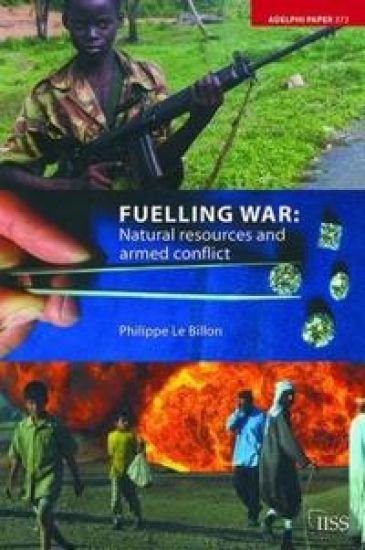
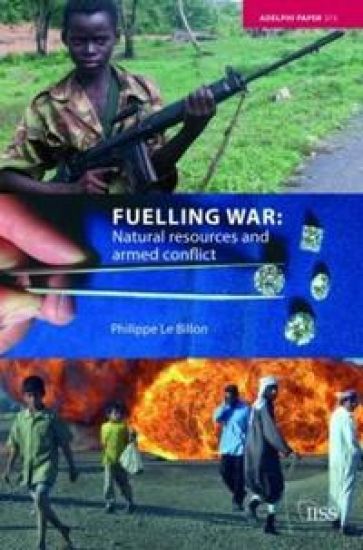
A generous endowment of natural resources should favour rapid economic and social development. The experience of countries like Angola and Iraq, however, suggests that resource wealth often proves a curse rather than a blessing. Billions of dollars from resource exploitation benefit repressive regimes and rebel groups, at a massive cost for local populations. This Adelphi Paper analyses the economic and political vulnerability of resource-dependent countries; assesses how resources influence the likelihood and course of conflicts; and discusses current initiatives to improve resource governance in the interest of peace. It concludes that long-term stability in resource-exporting regions will depend on their developmental outcomes, and calls for a broad reform agenda prioritising the basic needs and security of local populations.
Wars of Plunder: Conflicts, Profits and the Politics of Resources

Wars of Plunder: Conflicts, Profits and the Politics of Resources

Philippe Le Billon

Oxford University Press, USA
2014
nidottu
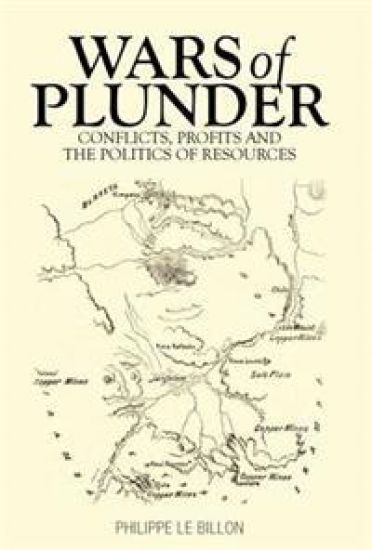
From Angola and Liberia to Iraq and the Congo, wars have taken place in resource rich countries full of poor people. In Wars of Plunder Philippe Le Billon explores how resources have shaped recent conflicts, and what the international community has tried to do about it. Focusing on key resources-oil, diamonds, and timber-he argues that resources and wars are linked in three main ways. First, resource revenues finance belligerents, a trend that has become all the more conspicuous since the withdrawal of Cold War foreign sponsorship in the late 1980s. Although the 'War on Terror' has redefined military assistance and the internationalisation of war, many belligerents continue to rely on and profit from 'conflict resources'. Second, resource exploitation generates conflict. As global demand for raw materials has sharply increased, competition over critical resources such as oil has resulted in a flurry of 'resource conflicts', from local community struggles against mining multinationals to regional and international tensions. Third, economic shocks and poor governance sharply increase the risk of war (the 'resource curse'). While today's resource boom is a major economic opportunity for resource rich but poor countries, reliance on resource exports often implies sharp economic downturns. Not all resources are the same, however, and effective responses are at hand. Sanctions, military interventions and wealth sharing have helped bring an end to conflicts, yet only deeper domestic and international reforms in resource governance can stop the plunder.
Wars of Plunder

Wars of Plunder

Philippe Le Billon

C Hurst Co Publishers Ltd
2012
nidottu
From Angola and Liberia to Iraq and the Congo, wars have taken place in resource rich countries full of poor people. In Wars of Plunder Philippe Le Billon explores how resources have shaped recent conflicts, and what the international community has tried to do about it. Focusing on key resources-oil, diamonds, and timber-he argues that resources and wars are linked in three main ways. First, resource revenues finance belligerents, a trend that has become all the more conspicuous since the withdrawal of Cold War foreign sponsorship in the late 1980s. Although the 'War on Terror' has redefined military assistance and the internationalisation of war, many belligerents continue to rely on and profit from 'conflict resources'. Second, resource exploitation generates conflict. As global demand for raw materials has sharply increased, competition over critical resources such as oil has resulted in a flurry of 'resource conflicts', from local community struggles against mining multinationals to regional and international tensions. Third, economic shocks and poor governance sharply increase the risk of war (the 'resource curse'). While today's resource boom is a major economic opportunity for resource rich but poor countries, reliance on resource exports often implies sharp economic downturns. Not all resources are the same, however, and effective responses are at hand. Sanctions, military interventions and wealth sharing have helped bring an end to conflicts, yet only deeper domestic and international reforms in resource governance can stop the plunder.
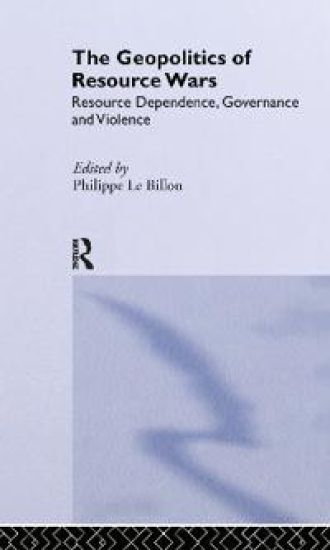
The Geopolitics of Resource Wars

The Geopolitics of Resource Wars

Philippe Le Billon

Routledge
2007
nidottu
This new book provides fresh and in-depth perspectives on so-called 'resource wars'. Highlighting the multiple forms of violence accompanying the history of resources exploitation, business practices supporting predatory regimes, insurgent groups and terrorists, this is an authoritative guide to the struggle for control of the world's resources.It includes key conceptual chapters and covers a wide range of case studies including: * the geopolitics of oil control in the Middle East, Central Asia and Columbia, * spaces of governance and 'petro-violence' in Nigeria * 'blood diamonds' and other minerals associated with conflicts in Sierra Leone and the Congo.This book was previously published as a special issue of the journal Geopolitics.
Fuelling War

Fuelling War

Philippe Le Billon

Routledge
2005
nidottu
A generous endowment of natural resources should favour rapid economic and social development. The experience of countries like Angola and Iraq, however, suggests that resource wealth often proves a curse rather than a blessing. Billions of dollars from resource exploitation benefit repressive regimes and rebel groups, at a massive cost for local populations. This Adelphi Paper analyses the economic and political vulnerability of resource-dependent countries; assesses how resources influence the likelihood and course of conflicts; and discusses current initiatives to improve resource governance in the interest of peace. It concludes that long-term stability in resource-exporting regions will depend on their developmental outcomes, and calls for a broad reform agenda prioritising the basic needs and security of local populations.
The Geopolitics of Resource Wars

The Geopolitics of Resource Wars

Philippe Le Billon

Routledge
2004
sidottu
This new book provides fresh and in-depth perspectives on so-called 'resource wars'. Highlighting the multiple forms of violence accompanying the history of resources exploitation, business practices supporting predatory regimes, insurgent groups and terrorists, this is an authoritative guide to the struggle for control of the world's resources.It includes key conceptual chapters and covers a wide range of case studies including: * the geopolitics of oil control in the Middle East, Central Asia and Columbia, * spaces of governance and 'petro-violence' in Nigeria * 'blood diamonds' and other minerals associated with conflicts in Sierra Leone and the Congo.This book was previously published as a special issue of the journal Geopolitics.