Kirjojen hintavertailu. Mukana 12 595 353 kirjaa ja 12 kauppaa.

Kirjailija

Phillips Adam

Kirjat ja teokset yhdessä paikassa: 3 kirjaa, julkaisuja vuosilta 1996-2011, suosituimpien joukossa Equals. Vertaile teosten hintoja ja tarkista saatavuus suomalaisista kirjakaupoista.

3 kirjaa

Kirjojen julkaisuhaarukka 1996-2011.

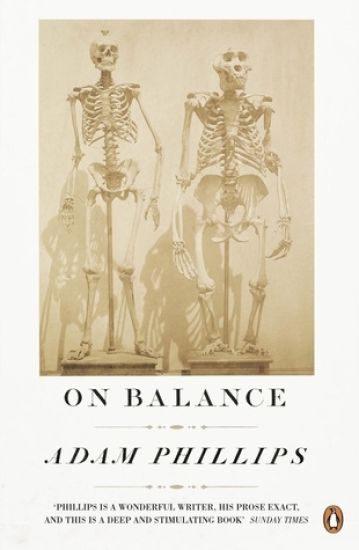
On Balance

On Balance

Phillips Adam

Penguin Books Ltd
2011
pokkari
Are we too obsessed with excess?What can childhood teach us about bad behaviour?And should we be happy, or is there something better we might be?In On Balance, acclaimed psychoanalyst Adam Phillips explores a variety of urgent concerns related to how we attempt to manage our conflicting desires, needs and motives.In essays on excess, childhood development, fairy tales and the pursuit of happiness, Phillips provides exhilarating arguments, witty wordplay and much intellectual and emotional food for thought on literature and life.
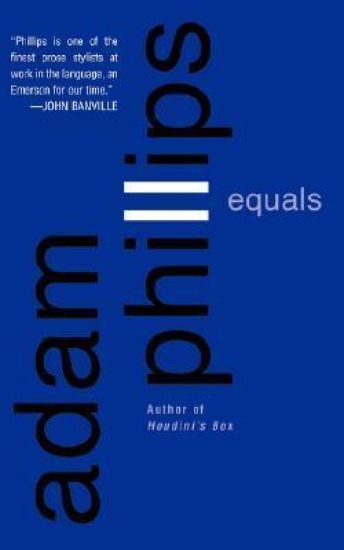
Equals

Equals

Phillips Adam

Basic Books
2003
pokkari
Written in his beloved epigrammatic and aphoristic style, Equals extends Adam Phillips's probings into the psychological and the political, bringing his trenchant wit to such subjects as the usefulness of inhibitions and the paradox of permissive authority. He explores why citizens in a democracy are so eager to establish levels of hierarchy when the system is based on the assumption that every man is created equal. And he ponders the importance of mockery in group behaviour, and the psyche's struggle as a metaphor for political conflict.
Monogamy

Monogamy

Phillips Adam

Faber Faber
1996
pokkari
'A couple is a conspiracy in search of a crime. Sex is often the closest they can get.' All the present controversies about the family are really discussions about monogamy. About what keeps people together and why they should stay together. Now, in a book of 121 aphorisms, Adam Phillips asks why we all believe in monogamy, and why we find it so difficult to think about. Everyone knows that most people, however much they may love their partner, are capable of loving and desiring more than one person at a time. It may be reassuring, but it is in fact very demanding -- and often cruel -- to assume that only one person can give us what we want. At least in sexual matters, sharing seems to go deeply against the grain. Monogamy is so much taken for granted as the foundation of the family and of family values that, as with anything that seems essential, we are very wary of being critical of it. But, as Adam Phillips suggests, it is surely worth wondering why the faithful couple has such a hold on our imagination, and how it has come to be such an ideal.