Kirjojen hintavertailu. Mukana 12 595 353 kirjaa ja 12 kauppaa.

Kirjailija

Phyllis Noerager Stern

Kirjat ja teokset yhdessä paikassa: 4 kirjaa, julkaisuja vuosilta 2011-2021, suosituimpien joukossa Developing Grounded Theory. Vertaile teosten hintoja ja tarkista saatavuus suomalaisista kirjakaupoista.

4 kirjaa

Kirjojen julkaisuhaarukka 2011-2021.

Developing Grounded Theory

Developing Grounded Theory

Janice M. Morse; Barbara J. Bowers; Kathy Charmaz; Adele E. Clarke; Juliet Corbin; Caroline Jane Porr; Phyllis Noerager Stern

Routledge
2021
sidottu
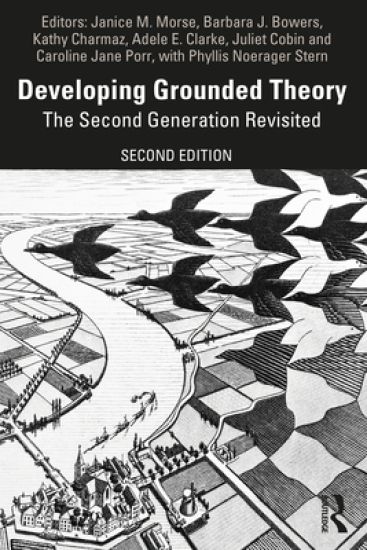
Developing Grounded Theory: The Second Generation Revisited is a highly accessible description of the rapid development of grounded theories and the latest developments in grounded theory methods.A succinct overview of the development of grounded theory is provided, including the similarities and differences between Glaserian and Straussian grounded theory. The method introduced by Schatzman, and the development of Charmaz’s constructivist grounded theory and Clarke’s situational analysis, are clearly presented. The book is divided into seven sections: each type of grounded theory is discussed by the developer (or their student), followed by a chapter describing a project that used that particular type of grounded theory. Bookending these chapters is the first chapter, which describes the development and landscape of grounded theory, and a final chapter describing the challenges to the future of grounded theory. This book is ideally suited for beginning students trying to come to grips with the field as well as more advanced researchers attempting to delineate the major types of grounded theory.
Developing Grounded Theory

Developing Grounded Theory

Janice M. Morse; Barbara J. Bowers; Kathy Charmaz; Adele E. Clarke; Juliet Corbin; Caroline Jane Porr; Phyllis Noerager Stern

Routledge
2021
nidottu
Developing Grounded Theory: The Second Generation Revisited is a highly accessible description of the rapid development of grounded theories and the latest developments in grounded theory methods.A succinct overview of the development of grounded theory is provided, including the similarities and differences between Glaserian and Straussian grounded theory. The method introduced by Schatzman, and the development of Charmaz’s constructivist grounded theory and Clarke’s situational analysis, are clearly presented. The book is divided into seven sections: each type of grounded theory is discussed by the developer (or their student), followed by a chapter describing a project that used that particular type of grounded theory. Bookending these chapters is the first chapter, which describes the development and landscape of grounded theory, and a final chapter describing the challenges to the future of grounded theory. This book is ideally suited for beginning students trying to come to grips with the field as well as more advanced researchers attempting to delineate the major types of grounded theory.
Essentials of Accessible Grounded Theory

Essentials of Accessible Grounded Theory

Phyllis Noerager Stern; Caroline Jane Porr

Left Coast Press Inc
2011
sidottu
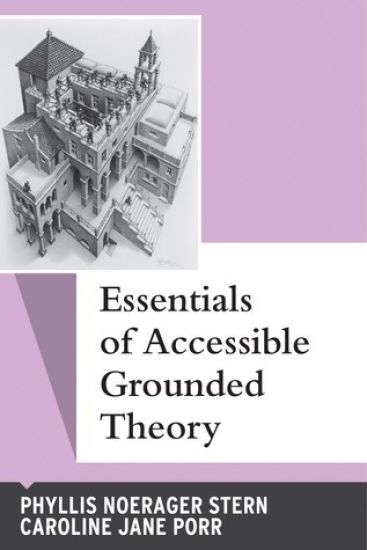
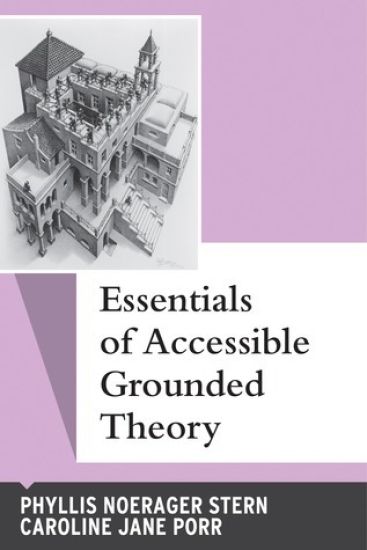
Phyllis Noerager Stern and Caroline Porr provide the most accessible description of grounded theory methods to date in this brief, clear, and useful guide. Based on the foundational work of Barney Glaser, the volume reflects the complexity of conducting grounded theory research-- not something that can be done “by the numbers”-- while offering much-needed help to younger scholars and community-based researchers in using the method effectively in practice. Examples, exercises, references and a glossary provide important resources for the grounded-theory novice.
Essentials of Accessible Grounded Theory

Essentials of Accessible Grounded Theory

Phyllis Noerager Stern; Caroline Jane Porr

Left Coast Press Inc
2011
nidottu
Phyllis Noerager Stern and Caroline Porr provide the most accessible description of grounded theory methods to date in this brief, clear, and useful guide. Based on the foundational work of Barney Glaser, the volume reflects the complexity of conducting grounded theory research-- not something that can be done “by the numbers”-- while offering much-needed help to younger scholars and community-based researchers in using the method effectively in practice. Examples, exercises, references and a glossary provide important resources for the grounded-theory novice.