Kirjojen hintavertailu. Mukana 12 507 084 kirjaa ja 12 kauppaa.
Kirjailija
Priyanka Das
Kirjat ja teokset yhdessä paikassa: 33 kirjaa, julkaisuja vuosilta 2018-2026, suosituimpien joukossa Pre-Field Screening Protocols for Heat-Tolerant Mutants in Rice. Vertaile teosten hintoja ja tarkista saatavuus suomalaisista kirjakaupoista.
Fatma Sarsu; Abdelbagi M.A. Ghanim; Priyanka Das; Rajeev N. Bahuguna; Paul Mbogo Kusolwa; Muhammed Ashraf; Sneh L. Singla-Pareek; Ashwani Pareek; Brian P. Forster; Ivan Ingelbrecht
This open access book presents simple, robust pre-field screening protocols that allow plant breeders to screen for enhanced tolerance to heat stress in rice. Thus, different types of heat stress tolerance mechanisms can be identified, presenting opportunities for pyramiding different (mutant) sources of heat stress tolerance.
Fatma Sarsu; Abdelbagi M.A. Ghanim; Priyanka Das; Rajeev N. Bahuguna; Paul Mbogo Kusolwa; Muhammed Ashraf; Sneh L. Singla-Pareek; Ashwani Pareek; Brian P. Forster; Ivan Ingelbrecht
This open access book presents simple, robust pre-field screening protocols that allow plant breeders to screen for enhanced tolerance to heat stress in rice. Two critical heat-sensitive stages in the lifecycle of the rice crop are targeted – the seedling and flowering stages – with screening based on simple phenotypic responses. The protocols are based on the use of a hydroponics system and/or pot experiments in a glasshouse in combination with a controlled growth chamber where the heat stress treatment is applied. The protocols are designed to be effective, simple, reproducible and user-friendly. The protocols will enable plant breeders to effectively reduce the number of plants from a few thousands to less than 100 candidate individual mutants or lines in a greenhouse/growth chamber, which can then be used for further testing and validation in the field conditions. The methods can also be used to classify rice genotypes according to their heat tolerance characteristics. Thus, different types of heat stress tolerance mechanisms can be identified, presenting opportunities for pyramiding different (mutant) sources of heat stress tolerance.
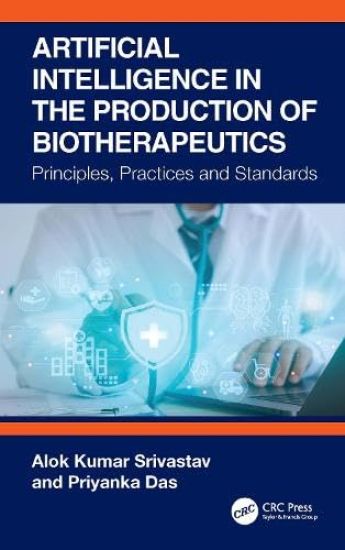
The transformative role of artificial intelligence (AI) in modern biomanufacturing, focusing on key areas such as Process Analytical Technology (PAT), Good Manufacturing Practice (GMP) compliance, predictive analytics, and AI-driven quality systems. It bridges cutting-edge AI applications with the complexities of biotherapeutic production, offering insights into automation, real-time monitoring, and process optimization.Delving into the core of biomanufacturing, the book provides a structured journey through its critical phases. It begins with an introduction to modern biomanufacturing principles, quality-by-design approaches, and the integration of AI. Subsequent chapters examine raw material management, lean manufacturing practices, and the application of predictive analytics to optimize supply chains. Readers will explore advanced tools such as AI-enhanced data acquisition in PAT, automated standard operating procedures (SOPs), and AI-driven process controls for fermenters and chromatography systems. The text also addresses GMP essentials, including personnel management, hygienic facility design, and pharmaceutical water systems. Key chapters highlight AI's role in validation processes, sterile packaging, and regulatory compliance, referencing global guidelines from organizations such as the WHO, FDA, and ICH. Real-world case studies featuring therapeutic proteins, monoclonal antibodies, and vaccines underscore the practical applications of AI in scaling and maintaining biotherapeutic production.This book equips readers with a comprehensive understanding of AI's potential to enhance efficiency, accuracy, and compliance in biomanufacturing. Whether you are a professional, researcher, or student, this guide offers actionable insights into leveraging AI to revolutionize biotherapeutic production while adhering to the highest industry standards.What You Will Learn· Understand how AI enhances every phase of biotherapeutic production, from raw material management to regulatory compliance, optimizing efficiency, accuracy, and quality.· Explore the role of AI in advanced data acquisition, process control, and continuous improvement, including applications in fermenters, flow filtration, and chromatography systems.· Gain insights into leveraging AI for automating standard operating procedures (SOPs), predictive maintenance, quality assurance, and adhering to global GMP standards like WHO and FDA guidelines.· Learn how AI transforms upstream and downstream processes, ensures sterility in packaging, and supports case studies on therapeutic proteins, monoclonal antibodies, and human vaccines.· Discover the potential of AI in shaping the future of biomanufacturing, including challenges, data security, and the ethical implications of AI-driven automation.