Kirjojen hintavertailu. Mukana 12 283 496 kirjaa ja 12 kauppaa.

Kirjailija

Quentin Meillassoux

Kirjat ja teokset yhdessä paikassa: 8 kirjaa, julkaisuja vuosilta 2008-2018, suosituimpien joukossa Äärellisyyden jälkeen. Vertaile teosten hintoja ja tarkista saatavuus suomalaisista kirjakaupoista.

8 kirjaa

Kirjojen julkaisuhaarukka 2008-2018.

Äärellisyyden jälkeen

Äärellisyyden jälkeen

Quentin Meillassoux

Gaudeamus
2016
nidottu
Äärellisyyden jälkeen on filosofisesti painava ja selkeä esitys siitä, miten nykyfilosofia voisi päästä irti sitkeästä vastakkainasettelusta humanistisiin tieteisiin pohjautuvan mannermaisen ja luonnontieteisiin nojaavan analyyttisen filosofian välillä. Teoksen päämääränä on antaa uusi mahdollisuus ajatella maailmaa sellaisena kuin se ihmisestä riippumatta on.Meillassoux'n mukaan tämä onnistuu vain, jos tunnustamme, että maailmassa on ainoastaan yksi absoluuttinen välttämättömyys: kaikki olemassa olevat asiat, jopa luonnonlait, ovat pohjimmiltaan sattumanvaraisia. Mikä tahansa maailmassa oleva asia voisi olla myös olematta tai olla toisin kuin se nyt on.
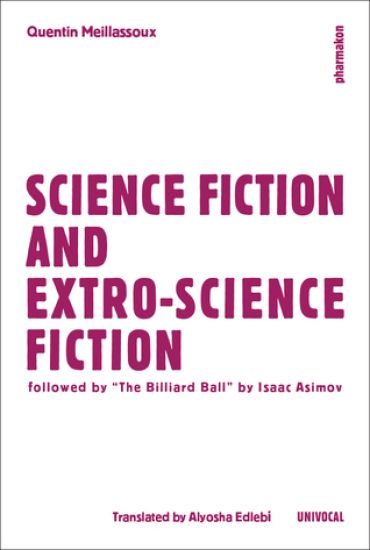
Science Fiction and Extro-Science Fiction

Science Fiction and Extro-Science Fiction

Quentin Meillassoux; Isaac Asimov

Univocal Publishing LLC
2015
nidottu
In Science Fiction and Extro-Science Fiction, Quentin Meillassoux addresses the problem of chaos and of the constancy of natural laws in the context of literature. With his usual argumentative rigor, he elucidates the distinction between science fiction, a genre in which science remains possible in spite of all the upheavals that may attend the world in which the tale takes place, and fiction outside-science, the literary concept he fashions in this book, a fiction in which science becomes impossible. With its investigations of the philosophies of Hume, Kant, and Popper, Science Fiction and Extro-Science Fiction broadens the inquiry that Meillassoux began in After Finitude, thinking through the concrete possibilities and consequences of a chaotic world in which human beings can no longer resort to science to ground their existence. It is a significant milestone in the work of an emerging philosopher, which will appeal to readers of both philosophy and literature. The text is followed by Isaac Asimov’s essay “The Billiard Ball.”
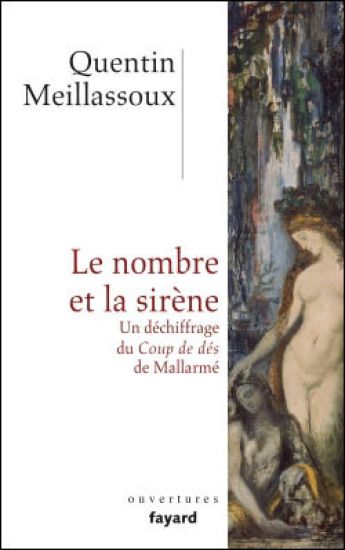
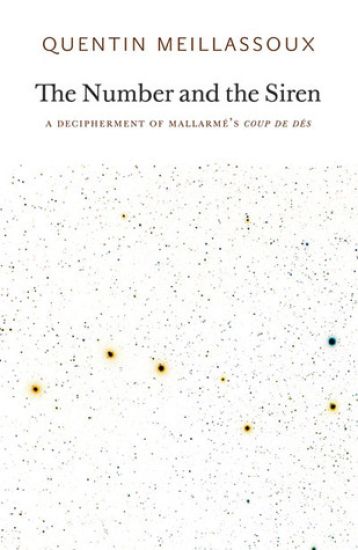
The Number and the Siren

The Number and the Siren

Quentin Meillassoux

Sequence Press
2012
pokkari
A philosophical interrogation of the concepts of chance, contingency, and eternity through a concentrated study of Mallarme's poem "Un Coup de Des."A meticulous literary study, a detective story a la Edgar Allan Poe, a treasure-hunt worthy of an adventure novel-such is the register in which can be deciphered the hidden secrets of a poem like no other. Quentin Meillassoux, author of After Finitude, continues his philosophical interrogation of the concepts of chance, contingency, infinity, and eternity through a concentrated study of Mallarme's poem "Un Coup de Des," patiently deciphering its enigmatic meaning on the basis of a dazzlingly simple and lucid insight with regard to Mallarme's "unique Number."The decisive point of the investigation proposed by Meillassoux comes with a discovery, unsettling and yet as simple as a child's game. The Number that "can be no other" can only be revealed to us via a secret code, hidden in the "Coup de des" like a key that finally unlocks every one of its poetic devices. Thus is also unveiled the meaning of that siren, emerging for a lightning-flash amongst the debris of the shipwreck: as the living heart of a drama that is still unfolding.With this bold new interpretation of Mallarme's work, Meillassoux offers brilliant insights into modernity, poetics, secularism, and religion, and opens a new chapter in his philosophy of radical contingency.The volume contains the entire text of the "Coup de des" and three other poems, with new English translations.
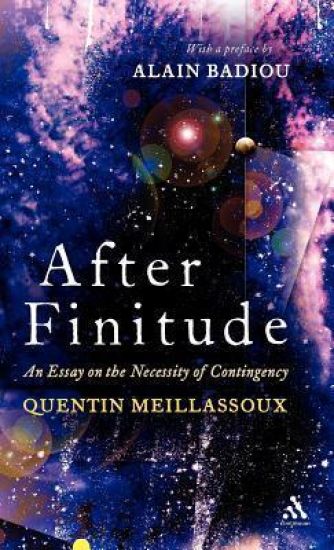
After Finitude

After Finitude

Quentin Meillassoux

Continuum Publishing Corporation
2010
nidottu
This book is now available for the first time in paperback, the remarkable debut of a former student of Alain Badiou. Quentin Meillassoux, a former student of Alain Badiou, is considered to be one of the most talented and exciting new voices in contemporary French philosophy. Quentin Meillassoux's remarkable debut makes a strikingly original contribution to contemporary French philosophy and is set to have a significant impact on the future of Continental philosophy. Written in a style that marries great clarity of expression with argumentative rigour, "After Finitude" provides bold readings of the history of philosophy and sets out a devastating critique of the unavowed fideism at the heart of post-Kantian philosophy. Meillassoux introduces a startlingly novel philosophical alternative to the forced choice between dogmatism and critique. "After Finitude" proposes a new alliance between philosophy and science and calls for an unequivocal halt to the creeping return of religiosity in contemporary philosophical discourse. The exceptional lucidity and the centrality of argument in Meillassoux's writing should appeal to Analytic as well as Continental philosophers, while his critique of fideism will be of interest to anyone preoccupied by the relation between philosophy, theology and religion.
After Finitude

After Finitude

Quentin Meillassoux

Continuum International Publishing Group Ltd.
2008
sidottu
Quentin Meillassouxs remarkable debut makes a strikingly original contribution to contemporary French philosophy and is set to have a significant impact on the future of Continental philosophy. Written in a style that marries great clarity of expression with argumentative rigour, After Finitude Provides bold readings of the history of philosophy and sets out a devastating critique of the unavowed fideism at the heart of post-Kantian philosophy.Meillassoux introduces a startlingly novel philosophical alternative to the forced choice between dogmatism and critique. After Finitude proposes a new alliance between philosophy and science and calls for an unequivocal halt to the creeping return of religiosity in contemporary philosophical discourse.The exceptional lucidity and the centrality of argument in Meillassoux;s writing should appeal to Analytic as well as Continental philosophers, while his critique of fideism will be of interest to anyone preoccupied by the relation between philosophy, theology and religion