
Kirjailija
R Austin Freeman
Kirjat ja teokset yhdessä paikassa: 207 kirjaa, julkaisuja vuosilta 2004-2026, suosituimpien joukossa The Aluminium Dagger: A Dr John Thorndyke Mystery: (R Austin Freeman Classic Collection). Vertaile teosten hintoja ja tarkista saatavuus suomalaisista kirjakaupoista.
Mukana myös kirjoitusasut: R. Austin Freeman
207 kirjaa
Kirjojen julkaisuhaarukka 2004-2026.

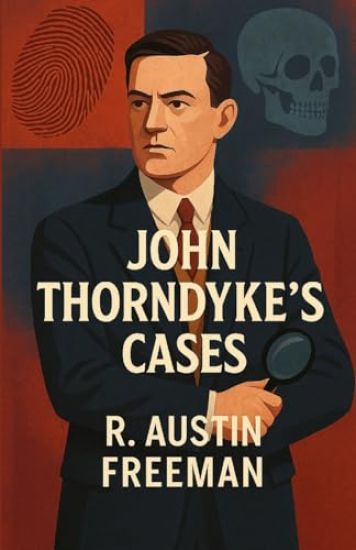
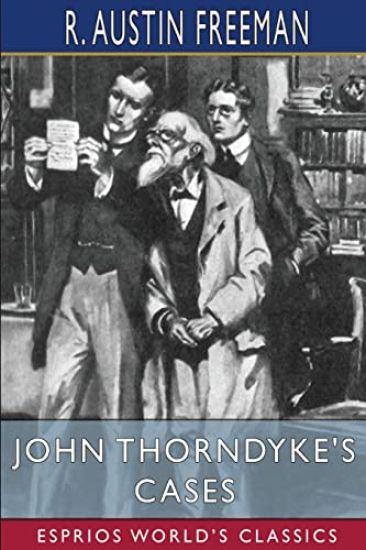
Illustrated Edition: Features 20 stunning illustrations that bring the thrilling cases to life. Includes a Detailed Summary: Dive deep into the essence of each mystery with a comprehensive summary. Character List: Get acquainted with the intriguing cast of characters integral to Dr. Thorndyke's investigations. Author Biography: Learn about the life and times of R. Austin Freeman, a pioneer of forensic detective fiction. Dive into the mysterious and intellectually stimulating world of Dr. John Thorndyke in this beautifully illustrated edition of "John Thorndyke's Cases". Renowned for his sharp deductive skills and scientific approach to solving crimes, Dr. Thorndyke stands as a towering figure in the field of detective fiction, brought to life by the masterful R. Austin Freeman. In this collection, each case unfolds with precise detail as Dr. Thorndyke, with his keen forensic expertise, tackles the perplexing puzzles that baffle the police. From the curious incident of "The Man with the Nailed Shoes" to the enigmatic "Case of the Traveller's Cheques", this volume captures the essence of classic detective work through the lens of early 20th-century forensic science. This edition is enhanced by 20 captivating illustrations that visually narrate these timeless tales, making each investigation even more engaging. Alongside the stories, this book includes a summary that distills the complex plots and a list of characters that helps readers keep track of the dramatis personae involved in each tale. Furthermore, delve into the life of R. Austin Freeman in a detailed biography that explores the origins and impacts of his work. Ideal for both new readers and long-time fans, this illustrated edition of "John Thorndyke's Cases" is a must-have for anyone who loves a good mystery, appreciates the science of crime-solving, and enjoys the rich tapestry of early forensic investigation. Step into Dr. Thorndyke's world, where every clue counts and the truth is just an analysis away.
Das rote Daumenzeichen, Das Auge des Osiris & Das Geheimnis von Neuem Gasthaus 31
R. Austin Freeman
Copycat
2025
nidottu
Silas has diamonds in the heel of his shoe. He is a thief, but until the night he meets Oscar Brodski on the footpath near his house, he has never considered murder. A diamond dealer, Brodski’s pockets bulge with more precious stones than Silas has ever dreamed of, and they will be his with one swift, violent act. Silas does the deed and arranges the diamond dealer’s body to make the death look accidental. He has provided for every contingency—except for the arrival of a doctor named Thorndyke. In this collection of ingenious stories, the reader knows the killer’s identity long before the ingenious medical detective enters the scene. These are brilliant early examples of open mysteries, in which the question is not whodunit—but ‘howcatchem’ or how will the criminal get caught? A trope then used by the series Columbo.
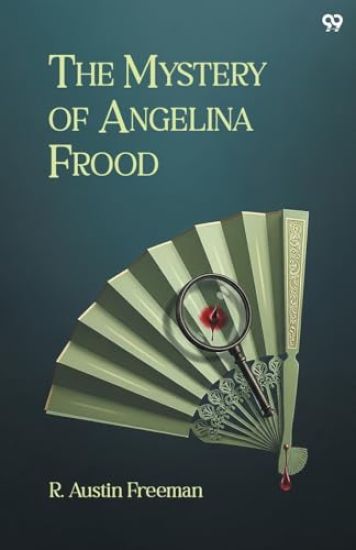
The mystery of Angelina Frood opens with a medical practitioner entering a shadowy web of circumstances after taking over a practice in London. When summoned late at night to attend to a woman with unexplained injuries, he confronts a situation marked by emotional distress and ambiguous violence. A subtle sense of unease permeates his first encounter with the patient, whose identity is obscured under an alias. As details emerge, the narrative reveals troubling connections between her past, her unstable husband, and the psychological toll of sustained abuse. The central figure becomes increasingly entangled in the lives of these individuals, even as he relocates to a quieter setting in search of professional peace. The presence of the same dangerous man reappears, deepening the tension and raising the stakes. Conversations between the practitioner and the woman disclose the gravity of her situation, touching on manipulation, isolation, and dependence. This introduction gradually layers suspense and emotional complexity without relying on conventional mystery tropes. It highlights personal vulnerability and moral responsibility, drawing the reader into a world where menace operates through secrecy and trust is hard-won.

The blue scarab explores how a seemingly trivial theft reveals layers of historical secrecy, intellectual precision, and cryptic knowledge. In a world typically dominated by brutal and predictable crimes, the arrival of a strange case involving a missing artifact offers a momentary departure. At the centre, lies a curious object a blue scarab taken from a locked box during a suspiciously timed fire. What elevates the incident from mere theft is the recovery of every other item except the scarab, returned in a parcel bearing an enigmatic seal covered in hieroglyphs. Attention is drawn to the investigator s capacity to isolate essential details immediately and to summon obscure, precise knowledge from unrelated fields. The scarab s origin is layered in family legend involving war, gambling, and the unexplained disappearance of valuable jewels. Doubt surrounds its material worth, but its symbolic and historical significance remains potent. Each element of the case the letter, the seal, the family tale converges not toward a solution through force, but through interpretation and perception. This makes the case stand apart as an intellectual puzzle where the missing object may hold truths long buried under mistrust, silence, and time.
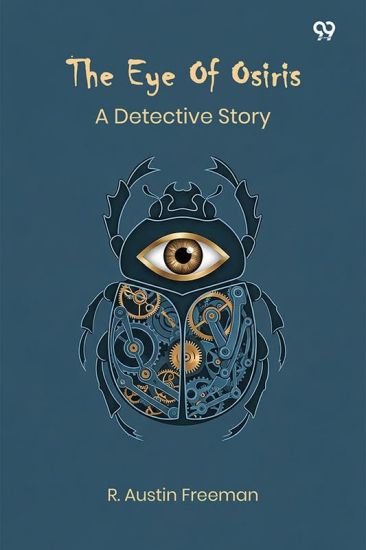
The eye of osiris: A detective story draws readers into a case involving disappearance, disputed inheritance, and the lingering influence of the past. The novel opens with a medical lecture where a skilled legal expert introduces an unsolved case involving a man who vanished without a trace. This missing figure had recently visited a relative s home but was never seen again. The circumstances surrounding his absence generate legal confusion, particularly in relation to a curious will that challenges expectations of inheritance. Alongside legal speculation, the appearance of an ancient artifact suggests an eerie connection between archaeology and modern law. The story navigates these intertwining threads through scenes marked by cautious conversation and rising emotional stakes, where tensions escalate within families divided by conflicting claims and interpretations of legacy. As the investigation deepens, the presence of ancient symbols and the psychological strain on those left behind form a narrative driven as much by intellect as emotion. The opening portion situates the reader firmly within both the courtroom and the crypt, preparing for a mystery that relies on rational examination and reverence for what history leaves unsolved.
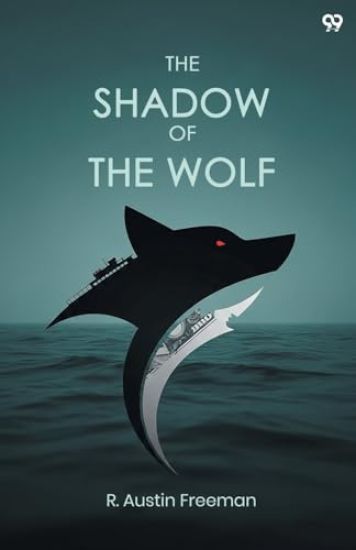
The shadow of the wolf unfolds against a maritime setting, where a complex scheme involving forged currency sets two men on a collision course of deceit and desperation. As they sail aboard a private yacht, initial conversations reveal more than just casual reflections they expose the unstable foundation of a criminal partnership. The opening introduces a world where trust erodes quickly, and personal entanglements deepen existing rifts. Both men share a connection to a woman whose presence intensifies underlying tensions. What begins as subtle hostility transforms into overt suspicion, as one man begins to question the other's motives and loyalty. The closed environment of the yacht enhances the sense of isolation and psychological pressure, underscoring the precarious balance between complicity and self-preservation. As the characters circle around each other with guarded words and escalating thoughts of betrayal, the narrative draws readers into a shadowed space where loyalty is a commodity and truth is dangerous. The early chapters set a tone of growing unease, not only through external conflict but also through the internal dilemmas each man must face while navigating the uncertain waters of their choices.

As a thief in the night follows the mysterious death of a chronically ill man and the inquiries that begin when suspicions arise around the circumstances of his decline. The narrative begins with quiet tension as a relative arrives to find the man s health failing rapidly, prompting immediate concern and consultation with physicians. Observations reveal inconsistencies in the care he has received and raise questions about those closest to him. Medical experts are puzzled, their examinations revealing no clear diagnosis, only deeper uncertainty. The initial atmosphere, marked by restrained concern, gives way to doubt, mistrust, and guarded revelations from household members. Personal motives, strained relationships, and subtle grievances begin to surface, setting the stage for a formal investigation. The inquest becomes a central mechanism through which the truth must be unearthed, compelling each character to reveal what they know or fear. The early chapters establish an emotional and investigative tone that draws readers into an unfolding case where appearances deceive and intentions are obscured. Through carefully layered suspense, the narrative invites readers to consider how quiet observations and unspoken tensions can conceal deliberate actions.
Dr. Richard Austin Freeman MRCS LSA (11 April 1862 - 28 September 1943) was a British writer of detective stories, mostly featuring the medico-legal forensic investigator Dr. Thorndyke. He invented the inverted detective story (a crime fiction in which the commission of the crime is described at the beginning, usually including the identity of the perpetrator, with the story then describing the detective's attempt to solve the mystery). Roberts said that this invention was Freeman's most noticeable contribution to detective fiction. Freeman used some of his early experiences as a colonial surgeon in his novels. Many of the Dr. Thorndyke stories involve genuine, but sometimes arcane, points of scientific knowledge, from areas such as tropical medicine, metallurgy and toxicology.
Dr. Richard Austin Freeman MRCS LSA (11 April 1862 - 28 September 1943) was a British writer of detective stories, mostly featuring the medico-legal forensic investigator Dr. Thorndyke. He invented the inverted detective story (a crime fiction in which the commission of the crime is described at the beginning, usually including the identity of the perpetrator, with the story then describing the detective's attempt to solve the mystery). Roberts said that this invention was Freeman's most noticeable contribution to detective fiction. Freeman used some of his early experiences as a colonial surgeon in his novels. Many of the Dr. Thorndyke stories involve genuine, but sometimes arcane, points of scientific knowledge, from areas such as tropical medicine, metallurgy and toxicology.
Dr. Richard Austin Freeman MRCS LSA (11 April 1862 - 28 September 1943) was a British writer of detective stories, mostly featuring the medico-legal forensic investigator Dr. Thorndyke. He invented the inverted detective story (a crime fiction in which the commission of the crime is described at the beginning, usually including the identity of the perpetrator, with the story then describing the detective's attempt to solve the mystery). Roberts said that this invention was Freeman's most noticeable contribution to detective fiction. Freeman used some of his early experiences as a colonial surgeon in his novels. Many of the Dr. Thorndyke stories involve genuine, but sometimes arcane, points of scientific knowledge, from areas such as tropical medicine, metallurgy and toxicology.
Dr. Richard Austin Freeman MRCS LSA (11 April 1862 - 28 September 1943) was a British writer of detective stories, mostly featuring the medico-legal forensic investigator Dr. Thorndyke. He invented the inverted detective story (a crime fiction in which the commission of the crime is described at the beginning, usually including the identity of the perpetrator, with the story then describing the detective's attempt to solve the mystery). Roberts said that this invention was Freeman's most noticeable contribution to detective fiction. Freeman used some of his early experiences as a colonial surgeon in his novels. Many of the Dr. Thorndyke stories involve genuine, but sometimes arcane, points of scientific knowledge, from areas such as tropical medicine, metallurgy and toxicology.
Dr. Richard Austin Freeman MRCS LSA (11 April 1862 - 28 September 1943) was a British writer of detective stories, mostly featuring the medico-legal forensic investigator Dr. Thorndyke. He invented the inverted detective story (a crime fiction in which the commission of the crime is described at the beginning, usually including the identity of the perpetrator, with the story then describing the detective's attempt to solve the mystery). Roberts said that this invention was Freeman's most noticeable contribution to detective fiction. Freeman used some of his early experiences as a colonial surgeon in his novels. Many of the Dr. Thorndyke stories involve genuine, but sometimes arcane, points of scientific knowledge, from areas such as tropical medicine, metallurgy and toxicology.
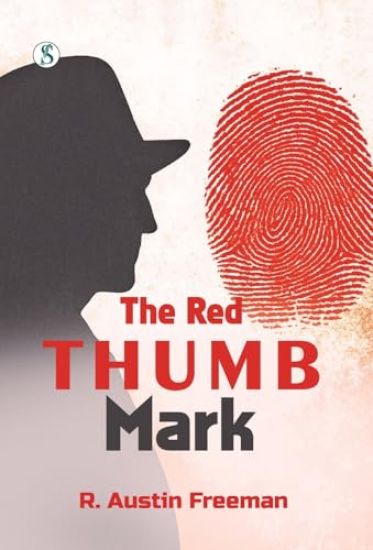
A single fingerprint, a stain of evidence, becomes the heart of a case teetering between guilt and innocence. In a time when science itself feels new and untested, trust in reason collides with the possibility of error. For the accused, freedom hangs precariously; for investigators, precision means everything. Doubt spreads, arguments rise, and every small point carries enormous consequence. Was the mark damning proof or elaborate fraud? In this battle of intellects, lives are measured against deduction, logic, and the relentless pursuit of clarity. The case becomes more than one man's trial-it is a defining contest of truth itself.
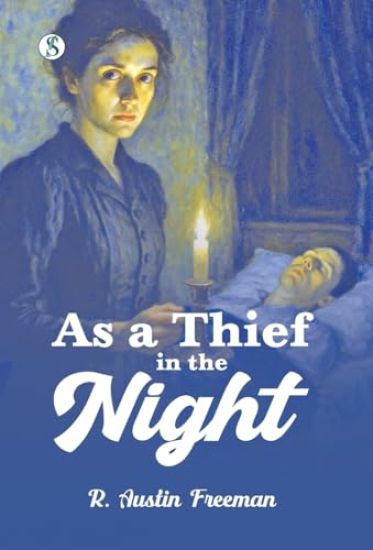
Darkness brings vulnerability, yet it also grants concealment to those who would exploit it. Beneath the cover of silence and secrecy, betrayal finds fertile ground. The question is not only who committed the crime, but how much evil can thrive unseen before it is too late. Friends become suspects; loyalty becomes a mask for treachery. When the thief strikes under cover of night, the blow isn't simply against property but against trust itself. The struggle for truth demands patience, cunning, and an acceptance that danger grows strongest when least visible-waiting for its chance to strike without warning.
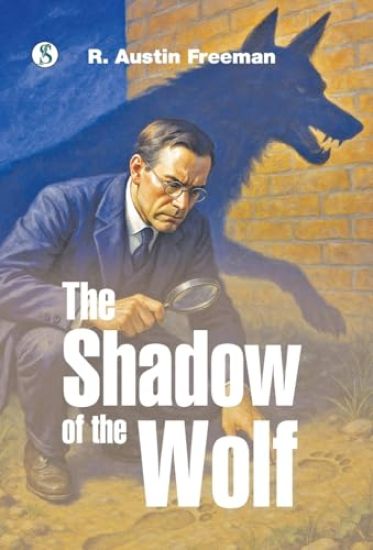
Fear stalks silently, as relentless as a predator in the night. A crime wave cloaked in mystery leaves victims trembling and investigators challenged to expose the figure lurking behind it all. To confront the menace requires piercing the fog of fear created by whispers, coincidences, and deliberate misdirection. The predator's reach spreads wide, casting long shadows across lives of the innocent and guilty alike. As the hunt intensifies, the line between man and beast blurs, forcing pursuit of not just justice but answers about what creates such evil. In the danger-filled chase, no heart remains untouched by dread.
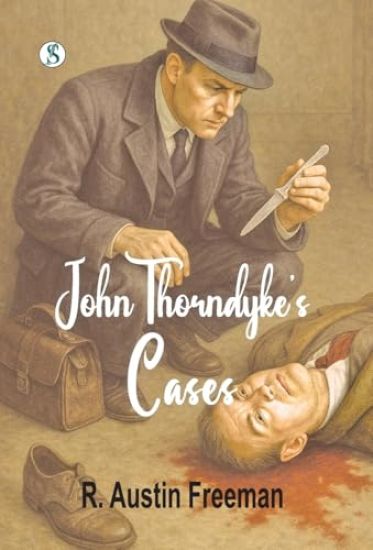
Within these tightly wound investigations, reason becomes the sharpest weapon against mystery. Each case begins as a puzzle too trivial for attention yet expands into crimes demanding brilliance to resolve. With patience and unshakable logic, the forensic mind dissects evidence invisible to others, crafting solutions that astonish. But criminals rarely submit quietly: each revelation carries risk, and danger casts long shadows. What ties the cases together is not just crime but the steady presence of intellect unmoved by chaos. These stories reveal that science in the right hands does not merely observe-it exposes, challenges, and reshapes justice itself.
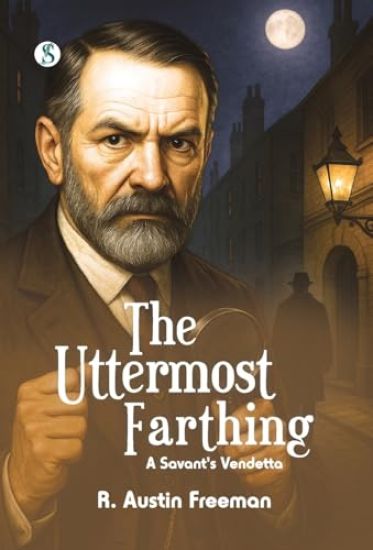
A brilliant intelligence bends not toward healing or progress, but toward retribution. Cold determination drives a man to use science as his weapon, and vengeance as his creed. Carefully, he builds a strategy to strike back at injustice with chilling precision. But when genius becomes tangled with rage, the boundaries between justice and cruelty vanish, His hunt tightens until the pursuit itself eclipses morality. Victims fall, evidence mounts, and reason excuses nothing. The result is a disturbing descent into obsession so profound it feels inevitable. To witness this struggle is to confront not only crime, but the darkness genius can summon.