Kirjojen hintavertailu. Mukana 12 390 323 kirjaa ja 12 kauppaa.

Kirjailija

R. J. Crampton

Kirjat ja teokset yhdessä paikassa: 7 kirjaa, julkaisuja vuosilta 1997-2017, suosituimpien joukossa Bulgaria. Vertaile teosten hintoja ja tarkista saatavuus suomalaisista kirjakaupoista.

Mukana myös kirjoitusasut: R.J. Crampton

7 kirjaa

Kirjojen julkaisuhaarukka 1997-2017.

Bulgaria

Bulgaria

R.J. Crampton

Oxford University Press
2007
sidottu
Tracing the evolution of the Bulgarian state and its people, from the beginning of the Bulgarian national revival in the middle of the nineteenth century to the entry of the country into the European Union, Richard Crampton examines key political, social, and economic developments, revealing the history of a country which evolved from a backward and troublesome Balkan state to become a modern European nation. The formation of the first modern Bulgarian state in 1878 played a major role in Bulgaria's evolution, determining its stance in the two World Wars. Seeing the collapse as well as the establishment and evolution of communist rule, Bulgaria survived an often painful journey from monolithic authoritarianism to representative democracy and the market system. This book follows this journey, and analyses the development of Bulgaria's political culture, examining the emergence of radical movements, both agrarian and socialist, as well as looking at the role of religion and the position of minorities. Crampton highlights the problems and dilemmas created by the country's position situated between east and west, problems which might not be entirely solved by the country's admission to the EU.
The Balkans Since the Second World War
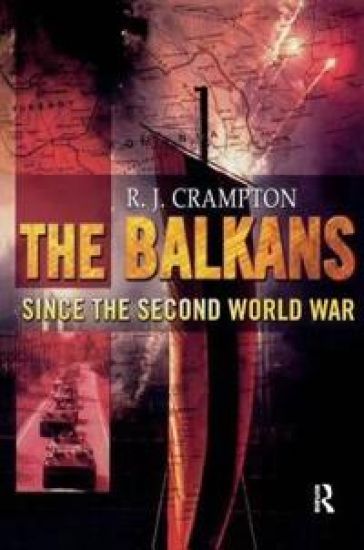
Since the collapse of Eastern European communism, the Balkans have been more prominent in world affairs than at any time since before the First World War. Crises in the area have led NATO to fire its first ever shots in anger, whilst international forces have been deployed on a scale and in a manner unprecedented in Europe since World War Two.An understanding of why this happened is impossible without some knowledge of the history of the area before the fall of communism, of how the communists came to power and how they used their authority thereafter. Covering the communist states of Albania, Bulgaria, Romania and Yugoslavia, and including Greece, Richard Crampton provides a highly readable introduction to that history, one that will be read by journalists, diplomats and anyone interested in the region and its impact on world politics today.
Bulgaria

Bulgaria

R.J. Crampton

Oxford University Press
2008
nidottu
Tracing the evolution of the Bulgarian state and its people, from the beginning of the Bulgarian national revival in the middle of the nineteenth century to the entry of the country into the European Union, Richard Crampton examines key political, social, and economic developments, revealing the history of a country which evolved from a backward and troublesome Balkan state to become a modern European nation. Seeing the collapse as well as the establishment and evolution of communist rule, Bulgaria survived an often painful journey from monolithic authoritarianism to representative democracy and the market system. Crampton follows this journey, and analyses the development of Bulgaria's political culture, examining the emergence of radical movements, both agrarian and socialist, as well as looking at the role of religion and the position of minorities. Crampton highlights the problems and dilemmas created by the country's position situated between East and West, problems which might not be entirely solved by the country's admission to the EU.
A Concise History of Bulgaria

A Concise History of Bulgaria

R. J. Crampton

Cambridge University Press
2005
pokkari
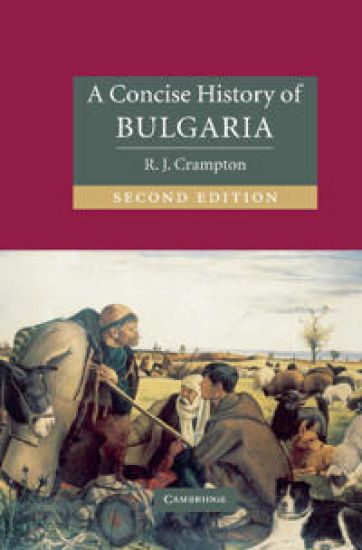
Bulgaria became a member of the European Union in 2007, yet its history is amongst the least well known in the rest of the continent. R. J. Crampton provides here a general introduction to this country at the cross-roads of Christendom and Islam. The text and illustrations trace the rich and dramatic story from pre-history, through the days when Bulgaria was the centre of a powerful medieval empire and the five centuries of Ottoman rule, to the cultural renaissance of the nineteenth century and the political upheavals of the twentieth, upheavals which led Bulgaria into three wars. This updated edition includes the years from 1995 to 2004, a vital period in which Bulgaria endured financial meltdown, set itself seriously on the road to reform, elected its former King as prime minister, and finally secured membership of NATO and admission to the European Union.
A Concise History of Bulgaria

A Concise History of Bulgaria

R. J. Crampton

Cambridge University Press
2005
sidottu
Bulgaria became a member of the European Union in 2007, yet its history is amongst the least well known in the rest of the continent. R. J. Crampton provides here a general introduction to this country at the cross-roads of Christendom and Islam. The text and illustrations trace the rich and dramatic story from pre-history, through the days when Bulgaria was the centre of a powerful medieval empire and the five centuries of Ottoman rule, to the cultural renaissance of the nineteenth century and the political upheavals of the twentieth, upheavals which led Bulgaria into three wars. This updated edition includes the years from 1995 to 2004, a vital period in which Bulgaria endured financial meltdown, set itself seriously on the road to reform, elected its former King as prime minister, and finally secured membership of NATO and admission to the European Union.
Eastern Europe in the Twentieth Century – And After
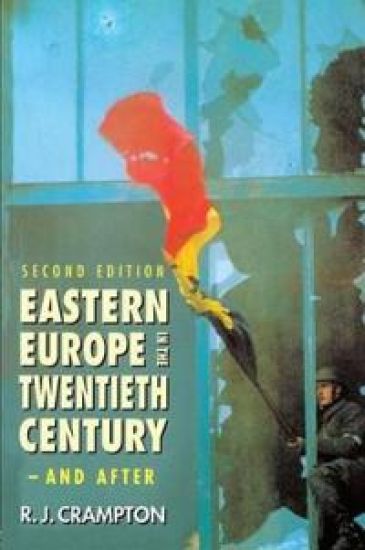
Covering all key Eastern European states and their history right up to the collapse of communism, this second edition of Eastern Europe in the Twentieth Century – And After is a comprehensive political history of Eastern Europe taking in the whole of the century and the geographical area. Focusing on the attempt to create and maintain a functioning democracy, this new edition now:examines events in Bosnia and Herzegovinaincludes a new consideration of the evolution of the region since the revolutions of 1989–91surveys the development of a market economyanalyzes the realignment of Eastern Europe towards the Westdetails the emergence of organized crimediscusses each state individuallyincludes an up-to-date bibliography.Eastern Europe in the Twentieth Century – And After provides an accessible introduction to this key area which is invaluable to students of modern and political history.
Eastern Europe in the Twentieth Century – And After
Covering all key Eastern European states and their history right up to the collapse of communism, this second edition of Eastern Europe in the Twentieth Century – And After is a comprehensive political history of Eastern Europe taking in the whole of the century and the geographical area. Focusing on the attempt to create and maintain a functioning democracy, this new edition now:examines events in Bosnia and Herzegovinaincludes a new consideration of the evolution of the region since the revolutions of 1989–91surveys the development of a market economyanalyzes the realignment of Eastern Europe towards the Westdetails the emergence of organized crimediscusses each state individuallyincludes an up-to-date bibliography.Eastern Europe in the Twentieth Century – And After provides an accessible introduction to this key area which is invaluable to students of modern and political history.