Kirjojen hintavertailu. Mukana 12 528 258 kirjaa ja 12 kauppaa.

Kirjailija

R J Millhouse

Kirjat ja teokset yhdessä paikassa: 2 kirjaa, julkaisuja vuodelta 2025, suosituimpien joukossa Get Yo' Life. Vertaile teosten hintoja ja tarkista saatavuus suomalaisista kirjakaupoista.

2 kirjaa

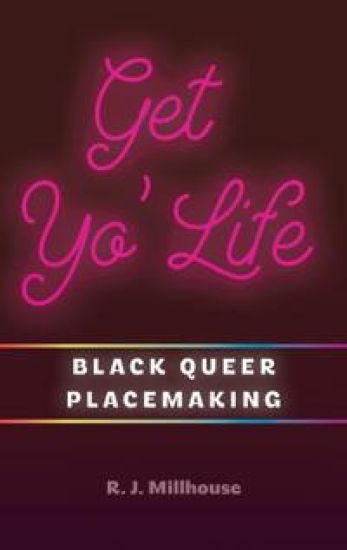
Get Yo' Life

Get Yo' Life

R J Millhouse

OHIO STATE UNIVERSITY PRESS
2025
sidottu
In Get Yo' Life, R. J. Millhouse incorporates gender and sexuality studies, archival work, performance studies, and urban studies to craft a historical geography of Black queer public life and culture from the 1960s onward. He does so via case studies of two Brooklyn nightclubs, Langston's and Happiness Lounge, as patrons fought to preserve their spaces and community in the face of gentrification. Introducing Black queer spatiality as an analytic method and a type of intersectionality-driven memory work, Millhouse teases out the nuanced functions of care-work, performance, and kinship labor, along with attendant sensational, atmospheric, and nostalgic factors, as they inform Black queer placemaking practices. These practices--such as resource fairs, vogue competitions, and the appropriation of public parks as communal places--often face opposition from the police or well-to-do, mostly white, neighbors. Yet, they remain vital sites of Black queer agency. By focusing on the structural powers that condition the lives and placemaking and placekeeping strategies of Black queer people in Brooklyn, Millhouse reveals the ways in which people make and preserve place amid state-sanctioned displacement.
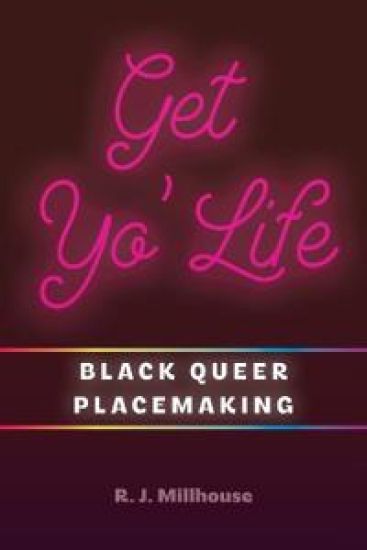
Get Yo' Life

Get Yo' Life

R J Millhouse

OHIO STATE UNIVERSITY PRESS
2025
pokkari
In Get Yo' Life, R. J. Millhouse incorporates gender and sexuality studies, archival work, performance studies, and urban studies to craft a historical geography of Black queer public life and culture from the 1960s onward. He does so via case studies of two Brooklyn nightclubs, Langston's and Happiness Lounge, as patrons fought to preserve their spaces and community in the face of gentrification. Introducing Black queer spatiality as an analytic method and a type of intersectionality-driven memory work, Millhouse teases out the nuanced functions of care-work, performance, and kinship labor, along with attendant sensational, atmospheric, and nostalgic factors, as they inform Black queer placemaking practices. These practices-such as resource fairs, vogue competitions, and the appropriation of public parks as communal places-often face opposition from the police or well-to-do, mostly white, neighbors. Yet, they remain vital sites of Black queer agency. By focusing on the structural powers that condition the lives and placemaking and placekeeping strategies of Black queer people in Brooklyn, Millhouse reveals the ways in which people make and preserve place amid state-sanctioned displacement.