Kirjojen hintavertailu. Mukana 12 595 353 kirjaa ja 12 kauppaa.

Kirjailija

R. Scott Hawley

Kirjat ja teokset yhdessä paikassa: 5 kirjaa, julkaisuja vuosilta 2003-2023, suosituimpien joukossa Drosophila Protocols. Vertaile teosten hintoja ja tarkista saatavuus suomalaisista kirjakaupoista.

Mukana myös kirjoitusasut: R Scott Hawley

5 kirjaa

Kirjojen julkaisuhaarukka 2003-2023.

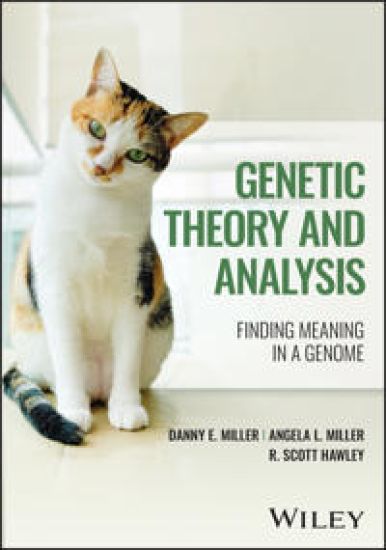
Genetic Theory and Analysis

Genetic Theory and Analysis

Danny E. Miller; Angela L. Miller; R. Scott Hawley

John Wiley Sons Inc
2023
nidottu
GENETIC THEORY AND ANALYSIS Understand and apply what drives change of characteristic genetic traits and heredity Genetics is the study of how traits are passed from parents to their offspring and how the variation in those traits affects the development and health of the organism. Investigating how these traits affect the organism involves a diverse set of approaches and tools, including genetic screens, DNA and RNA sequencing, mapping, and methods to understand the structure and function of proteins. Thus, there is a need for a textbook that provides a broad overview of these methods. Genetic Theory and Analysis meets this need by describing key approaches and methods in genetic analysis through a historical lens. Focusing on the five basic principles underlying the field—mutation, complementation, recombination, segregation, and regulation—it identifies the full suite of tests and methodologies available to the geneticist in an age of flourishing genetic and genomic research. This second edition of the text has been updated to reflect recent advances and increase accessibility to advanced undergraduate students. Genetic Theory and Analysis, 2nd edition readers will also find: Detailed treatment of subjects including mutagenesis, meiosis, complementation, suppression, and moreUpdated discussion of epistasis, mosaic analysis, RNAi, genome sequencing, and moreAppendices discussing model organisms, genetic fine-structure analysis, and tetrad analysis Genetic Theory and Analysis is ideal for both graduate students and advanced undergraduates undertaking courses in genetics, genetic engineering, and computational biology.
Essentials of Genetics

Essentials of Genetics

R. Scott Hawley

Wiley-Blackwell (an imprint of John Wiley Sons Ltd)
2021
nidottu
This text is a distinctive and engaging introduction to genetics for advanced undergraduates and above. Written by the author of the best-selling human genome textbook (The Human Genome, 1999), Hawley presents a concise overview of general genetics for a 10-14 week course. His selection of examples comes from all major system categories.
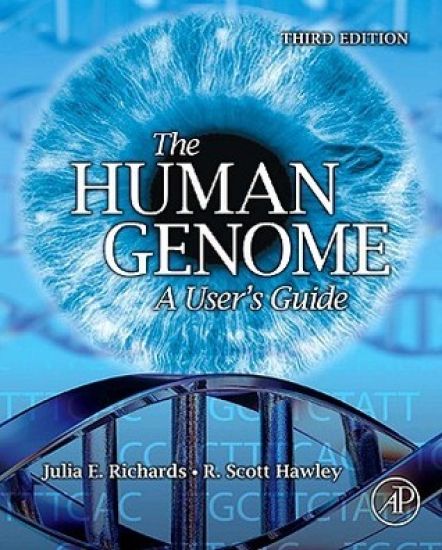
The Human Genome

The Human Genome

Julia E. Richards; R. Scott Hawley

Academic Press Inc
2010
nidottu
Significant advances in our knowledge of genetics were made during the twentieth century but in the most recent decades, genetic research has dramatically increased its impact throughout society. Genetic issues are now playing a large role in health and public policy, and new knowledge in this field will continue to have significant implications for individuals and society. Written for the non-majors human genetics course, Human Genetics, Third Edition will increase the genetics knowledge of students who are learning about human genetics for the first time. This thorough revision of the best-selling Human Genome, Second Edition includes entirely new chapters on forensics, stem cell biology, bioinformatics, and societal/ethical issues associated with the field. New special features boxes make connections between human genetics and human health and disease. Carefully crafted pedagogy includes chapter-opening case studies that set the stage for each chapter; concept statements interspersed throughout the chapter that keep first-time students focused on key concepts; and end-of-chapter questions and critical thinking activities. This new edition will contribute to creating a genetically literate student population that understands basic biological research, understands elements of the personal and health implications of genetics, and participates effectively in public policy issues involving genetic information.
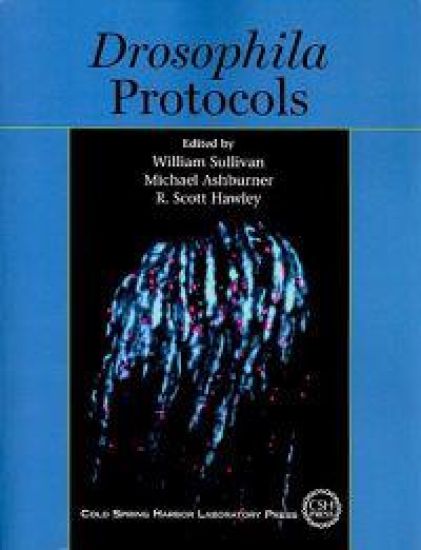
Drosophila Protocols

Drosophila Protocols

William Sullivan; Michael Ashburner; R Scott Hawley

Cold Spring Harbor Laboratory Press,U.S.
2008
nidottu
This exceptional laboratory manual describes thirty-seven procedures most likely to be used in the next decade for molecular, biochemical, and cellular studies on Drosophila. They were selected after extensive consultation with the research community and rigorously edited for clarity, uniformity, and conciseness. The outstanding features of this protocol collection are: Scope: The methods included permit investigation of chromosomes, cell biology, molecular biology, genomes, biochemistry, and development.Depth: Each protocol includes the basic information needed by novices, with sufficient detail to be valuable to experienced investigators.Format: Each method is carefully introduced and illustrated with figures, tables, illustrations, and examples of the data obtainable.Added value: The book's appendices include key aspects of Drosophila biology, essential solutions, buffers, and recipes. An evolution of Michael Ashburner's 1989 classic Drosophila: A Laboratory Manual, this book is an essential addition to the personal library of Drosophila investigators and an incomparable resource for other research groups with goals likely to require fly-based technical approaches.
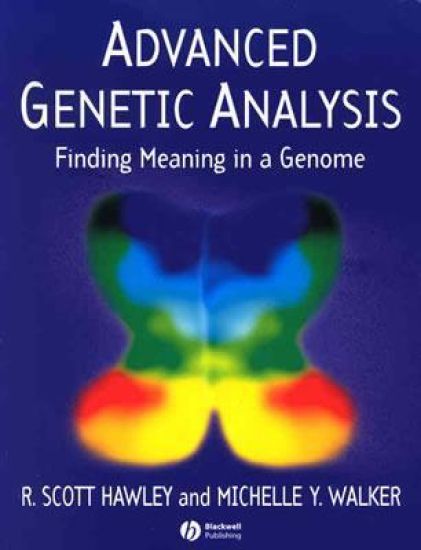
Advanced Genetic Analysis

Advanced Genetic Analysis

R. Scott Hawley; Michelle Walker

JOHN WILEY AND SONS LTD
2003
nidottu
Advanced Genetic Analysis brings a state-of-the-art, exciting new approach to genetic analysis. Focusing on the underlying principles of modern genetic analysis, this book provides the 'how' and 'why' of the essential analytical tools needed. The author's vibrant, accessible style provides an easy guide to difficult genetic concepts, from mutation and gene function to gene mapping and chromosome segregation. Throughout, a balanced range of model organisms and timely examples are used to illustrate the theoretical basics. Basic principles - Focuses students attention on the 'how' and 'why' of the essential analytical tools.Vibrant, accessible style provides an easy guide through difficult genetic concepts and techniques.Text boxes highlight key questions and timely examples.Boxes of key information in each chapter, chapter summaries and extensive references - prompt the student to synthesise and reinforce the chapter material.Special reference section addressing a range of model organisms to help provide a particularly relevant context for students' research interests.