Kirjojen hintavertailu. Mukana 12 390 323 kirjaa ja 12 kauppaa.

Kirjailija

Rachel Karchmer-Klein

Kirjat ja teokset yhdessä paikassa: 6 kirjaa, julkaisuja vuosilta 2020-2026, suosituimpien joukossa Putting AI to Work in Disciplinary Literacy. Vertaile teosten hintoja ja tarkista saatavuus suomalaisista kirjakaupoista.

6 kirjaa

Kirjojen julkaisuhaarukka 2020-2026.

Putting AI to Work in Disciplinary Literacy

Putting AI to Work in Disciplinary Literacy

Rachel Karchmer-Klein

Guilford Publications
2026
nidottu
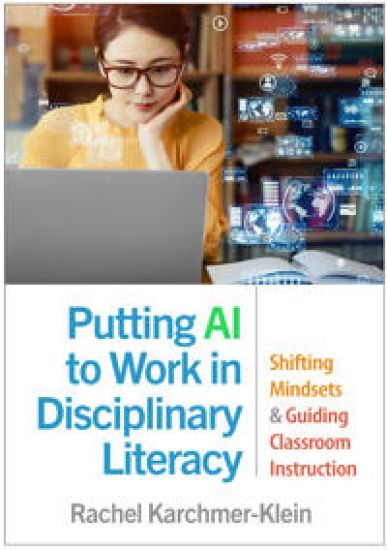
Can generative AI support--not supplant--students’ reading, writing, critical thinking, and problem-solving skills? In this practical, literacy-centered guide, Rachel Karchmer-Klein shows how AI tools like ChatGPT and Copilot can be integrated into grades 6–12 instruction without compromising academic rigor or student voice. Grounded in the principles of disciplinary literacy, the book helps teachers shift their mindsets, explore ethical dilemmas, and design content-rich lessons that keep student thinking at the center. With ready-to-use lesson plans, classroom vignettes, Try It Out activities, discussion prompts, and reproducible planning forms that can also be downloaded and printed, this resource empowers educators to reimagine learning in the age of AI.
Putting AI to Work in Disciplinary Literacy

Putting AI to Work in Disciplinary Literacy

Rachel Karchmer-Klein

Guilford Publications
2026
sidottu
Can generative AI support--not supplant--students’ reading, writing, critical thinking, and problem-solving skills? In this practical, literacy-centered guide, Rachel Karchmer-Klein shows how AI tools like ChatGPT and Copilot can be integrated into grades 6–12 instruction without compromising academic rigor or student voice. Grounded in the principles of disciplinary literacy, the book helps teachers shift their mindsets, explore ethical dilemmas, and design content-rich lessons that keep student thinking at the center. With ready-to-use lesson plans, classroom vignettes, Try It Out activities, discussion prompts, and reproducible planning forms that can also be downloaded and printed, this resource empowers educators to reimagine learning in the age of AI.
Next-Level Digital Tools and Teaching

Next-Level Digital Tools and Teaching

Rachel Karchmer-Klein; Lauren Boulden; Maureen McDonald; Douglas K. Hartman

TEACHERS' COLLEGE PRESS
2022
nidottu
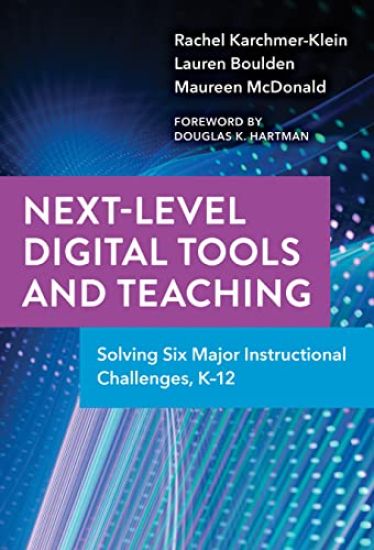
What we have learned from the many challenges of online teaching and learning during the COVID-19 pandemic is the focus of this authoritative resource. Featuring teachers' experiences and classroom examples, the authors examine what's needed and what works in order to help educators improve current models of technology-integrated instruction in their schools and districts. With a focus on digital tools and planning for any setting, the text provides ready-to-use help for designing technology-integrated lessons, building and managing community, selecting the best digital tools for particular tasks, increasing student engagement, and differentiating instruction. The text also includes a final chapter that looks at how leaders can support schoolwide coordination and infrastructure. Action items at the end of each chapter address the specific needs of individuals, teams, and schools to help them shift from reflection to actual implementation, encouraging collaboration and accountability. Next-Level Digital Tools and Teaching is applicable to teaching and learning in face-to-face, online, or hybrid K–12 classroom settings. Book Features:Focuses on problems related to online teaching, specifically critical issues identified during the 2020–2021 school year. Models how to design instruction that leverages technology tools designed to engage students with content in multiple ways.Includes examples of lesson plans, digital tool applications, and ideas for assessing student knowledge in K–12 digital environments. Provides ready-to-download checklists and templates.Offers guidance that will continue to be valuable long after the world recovers from COVID-19 and students return to physical classrooms.
Next-Level Digital Tools and Teaching

Next-Level Digital Tools and Teaching

Rachel Karchmer-Klein; Lauren Boulden; Maureen McDonald; Douglas K. Hartman

TEACHERS' COLLEGE PRESS
2022
sidottu
What we have learned from the many challenges of online teaching and learning during the COVID-19 pandemic is the focus of this authoritative resource. Featuring teachers' experiences and classroom examples, the authors examine what's needed and what works in order to help educators improve current models of technology-integrated instruction in their schools and districts. With a focus on digital tools and planning for any setting, the text provides ready-to-use help for designing technology-integrated lessons, building and managing community, selecting the best digital tools for particular tasks, increasing student engagement, and differentiating instruction. The text also includes a final chapter that looks at how leaders can support schoolwide coordination and infrastructure. Action items at the end of each chapter address the specific needs of individuals, teams, and schools to help them shift from reflection to actual implementation, encouraging collaboration and accountability. Next-Level Digital Tools and Teaching is applicable to teaching and learning in face-to-face, online, or hybrid K–12 classroom settings. Book Features:Focuses on problems related to online teaching, specifically critical issues identified during the 2020–2021 school year. Models how to design instruction that leverages technology tools designed to engage students with content in multiple ways.Includes examples of lesson plans, digital tool applications, and ideas for assessing student knowledge in K–12 digital environments. Provides ready-to-download checklists and templates.Offers guidance that will continue to be valuable long after the world recovers from COVID-19 and students return to physical classrooms.
Improving Online Teacher Education

Improving Online Teacher Education

Rachel Karchmer-Klein; Douglas Fisher

Teachers' College Press
2020
nidottu
Use this practical guide to develop collaborative and interactive online experiences for teacher candidates. The author examines methods for integrating evidence-based practices into online teaching environments, including think alouds, case-based instruction, peer feedback, and field experience. The content is applicable to a variety of situations and content areas in education, such as literacy, math, and educational leadership, so that readers can design their own quality learning opportunities for students. A final chapter invites readers to build a digital professional learning network where they can explore areas of tech integration related to specific interests and problems of practice. Improving Online Teacher Education is organized in a nonsequential design so readers can choose which topics and activities are most relatable and useful to their professional environment. It is designed to make online teaching and learning more engaging for instructors and teacher education candidates. Book Features:A focus on developing collaborative and interactive experiences for teacher education.Step-by-step instructions for designing each evidence-based instructional practice. Numerous examples of what the practices look like integrated into an online course. Scaffolded opportunities to guide readers through their own lesson design.Lessons align with professional education organization standards.
Improving Online Teacher Education

Improving Online Teacher Education

Rachel Karchmer-Klein; Douglas Fisher

Teachers' College Press
2020
sidottu
Use this practical guide to develop collaborative and interactive online experiences for teacher candidates. The author examines methods for integrating evidence-based practices into online teaching environments, including think alouds, case-based instruction, peer feedback, and field experience. The content is applicable to a variety of situations and content areas in education, such as literacy, math, and educational leadership, so that readers can design their own quality learning opportunities for students. A final chapter invites readers to build a digital professional learning network where they can explore areas of tech integration related to specific interests and problems of practice. Improving Online Teacher Education is organized in a nonsequential design so readers can choose which topics and activities are most relatable and useful to their professional environment. It is designed to make online teaching and learning more engaging for instructors and teacher education candidates. Book Features:A focus on developing collaborative and interactive experiences for teacher education.Step-by-step instructions for designing each evidence-based instructional practice. Numerous examples of what the practices look like integrated into an online course. Scaffolded opportunities to guide readers through their own lesson design.Lessons align with professional education organization standards.