Kirjojen hintavertailu. Mukana 12 595 353 kirjaa ja 12 kauppaa.

Kirjailija

Rachel MacCleery

Kirjat ja teokset yhdessä paikassa: 4 kirjaa, julkaisuja vuosilta 2012-2016, suosituimpien joukossa Cultivating Development. Vertaile teosten hintoja ja tarkista saatavuus suomalaisista kirjakaupoista.

4 kirjaa

Kirjojen julkaisuhaarukka 2012-2016.

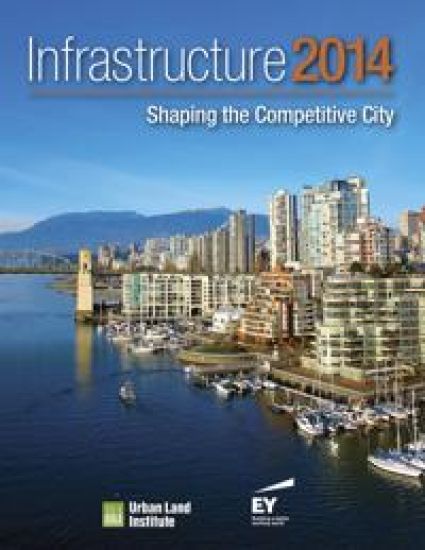
Infrastructure 2014

Infrastructure 2014

Colin Galloway; Rachel MacCleery; Sara Hammerschmidt

Urban Land Institute,U.S.
2014
nidottu
In a global marketplace, how do real estate developers and investors who could put their money nearly anywhere think about infrastructure? And how do city leaders use infrastructure to position their cities—relative to other cities regionally, nationally, and internationally—for real estate investment and economic development? This report, based on a survey conducted in January 2014 of real estate and public leaders from around the world, explores the role that infrastructure plays in shaping the future of cities and metropolitan areas.
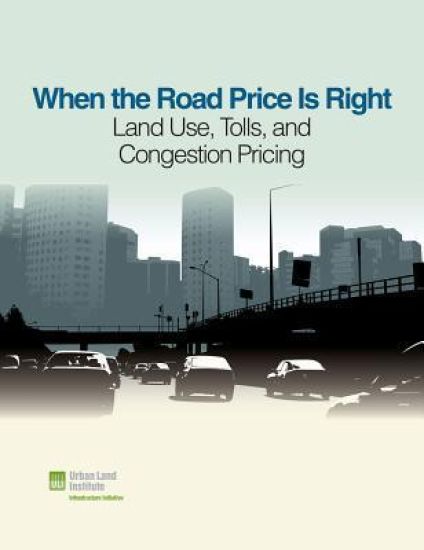
When the Road Price Is Right

When the Road Price Is Right

Sarah Jo Peterson; Rachel MacCleery

Urban Land Institute,U.S.
2013
nidottu
Tolling is increasingly used to pay for new and revitalised transportation infrastructure and to provide users with a reliable, congestion-free trip and this report presents the results of interviews with more than 35 land-use and transportation experts who discuss how tolling and congestion pricing will interact with land use. In addition, it features five case studies of tolling in California, Colorado, Florida, Maryland, and Texas. Informative and up-to-the-minute, this account provides guidance not only for those who manage roadway development and funding, but also for those whose land-development projects may be affected by road tolling and congestion pricing.
Shifting Suburbs

Shifting Suburbs

Rachel MacCleery; Casey Peterson; Julie D Stern

Urban Land Institute,U.S.
2012
nidottu
Looking at infrastructure in the context of project development, this book examines existing infrastructure—how it was built and paid for—to illuminate the tools being used to fund and finance these investments as well as the shape they are taking. Eight case studies that highlight the infrastructure for redevelopment efforts from across the country are featured. As American suburbs build in more compact ways—with higher-density development clustered in nodes or along corridors, and with increasing options for getting around without a car—reworking or rethinking infrastructure can be essential and this book fills that information gap.