Kirjojen hintavertailu. Mukana 12 595 353 kirjaa ja 12 kauppaa.

Kirjailija

Raja Shehadeh

Kirjat ja teokset yhdessä paikassa: 29 kirjaa, julkaisuja vuosilta 2008-2026, suosituimpien joukossa Strövtåg i Palestina: Till fots i ett försvinnande landskap. Vertaile teosten hintoja ja tarkista saatavuus suomalaisista kirjakaupoista.

29 kirjaa

Kirjojen julkaisuhaarukka 2008-2026.

Strövtåg i Palestina: Till fots i ett försvinnande landskap
Raja Shehadeh är en palestinsk författare och människorättsaktivist, verksam i Ramallah på Västbanken. I sin bok "Strövtåg i Palestina" berättar han om sina fotvandringar bland de palestinska kullarna, om glädjen i att upptäcka landskapets skönhet och sorgen i att se hur det förfulas och förstörs i takt med att rörelseutrymmet blir allt mer begränsat.
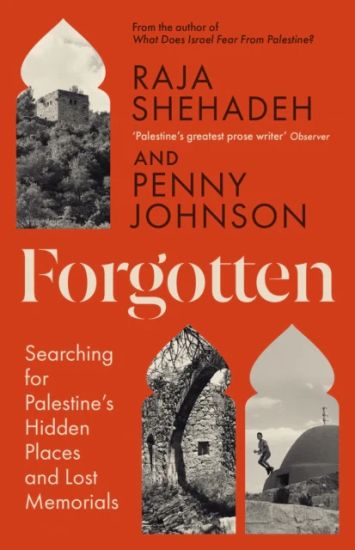
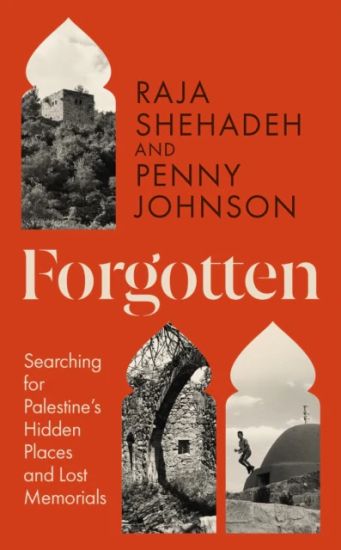
Forgotten

Forgotten

Raja Shehadeh; Penny Johnson

Profile Books Ltd
2026
pokkari
"Shehadeh's books are like beacons held up against the darkness" Observer "A heartbreaking, hopeful look at how Palestinian culture endures" Irish Times Forgotten is a search for hidden or neglected memorials and places in historic Palestine - now Israel and the Occupied Palestinian Territories - and what they might tell us about the land and the people who live on our small slip of earth between the Mediterranean Sea and the Jordan River. From ancient city ruins to the Nabi 'Ukkasha mosque and tomb, acclaimed writers and researchers Raja Shehadeh and Penny Johnson ask: what has been memorialised, and what lies unseen, abandoned or erased - and why? Whether standing on a high cliff overlooking Lebanon or at the lowest land-based elevation on earth at the Dead Sea, they explore lost connections in a fragmented land. In elegiac, elegant prose, Shehadeh and Johnson grapple not only with questions of Israeli resistance to acknowledging the Nakba - the 1948 catastrophe for Palestinians - but also with the complicated history of Palestinian commemoration today.
Varför fruktar Israel Palestina?

Varför fruktar Israel Palestina?

Raja Shehadeh

Celanders förlag
2026
nidottu
”Varför fruktar Israel Palestina?” är en koncis analys av hur det kom sig att Osloavtalet aldrig resulterade i en oberoende palestinsk stat. Förhoppningarna om en varaktig fred är nu kanske svagare än någonsin. Men alternativet till att leva fredligt sida vid sida med en helt självständig palestinsk stat är att Israel förvandlas till en öppet fascistisk och rasistisk stat.
Strangers in the House: Coming of Age in Occupied Palestine
Discover the Classic Coming-of-Age Memoir that Captures the Palestinian Experience for Members of every Generation since the 1948 Nakba "Unusually honest, beautifully written." -- New York Times Book Review ** With a New Afterword by the Author ** In this new edition of his groundbreaking memoir, Palestinian lawyer and human rights activist Raja Shehadeh offers a moving description of the daily lives of those who have been determined to remain on Palestinian land under Israeli occupation and refusing to relent in the face of efforts to drive them out by making their lives unbearable. Growing up "in the shadow of home" in the rural hills of the West Bank, he was introduced early to political conflict. He witnessed the numerous arrests of his father, Aziz Shehadeh, who, in 1967, was the first Palestinian to advocate a peaceful, 2-state solution for the Israeli-Palestinian conflict. He predicted that if peace were not acheived, what remained of the Palestinian homeland would be taken away, bit by bit, through Israeli settlement. Ostracized by his fellow Arabs and disillusioned by the failure of either side to recognize his prophetic vision, Aziz retreated from politics. He was murdered in 1985. Strangers in the House is also the family drama of a difficult relationship between an idealistic son and his politically active father complicated by the arbitrary humiliation of the "occupier's law." A new Afterword provides an update on the investigation into his father's murder, a history that reflects continued official Israeli efforts to dehumanize Palestinians and to extinguish, once and for all, the possibility of a 2-state solution.
Forgotten: Searching for Palestine's Hidden Places and Lost Memorials
A profound meditation on memory and the preservation of Palestinian heritage, from the award-winning author of We Could Have Been Friends, My Father and I. Forgotten uncovers the hidden or neglected memorials and places in historic Palestine--now Israel and the Occupied Palestinian Territories--and what they might tell us about the land and the people who live on the small slip of earth between the Mediterranean Sea and the Jordan River. From ancient city ruins to the Nabi 'Ukkasha mosque and tomb, acclaimed writers and researchers Raja Shehadeh and Penny Johnson ask: what has been memorialized, and what lies unseen, abandoned, or erased--and why? Whether standing on a high cliff overlooking Lebanon or at the lowest land-based elevation on earth at the Dead Sea, they explore lost connections in a fragmented land. In elegiac, elegant prose, Shehadeh and Johnson grapple not only with questions of Israeli resistance to acknowledging the Nakba--the 1948 catastrophe for Palestinians--but also with the complicated history of Palestinian commemoration today.
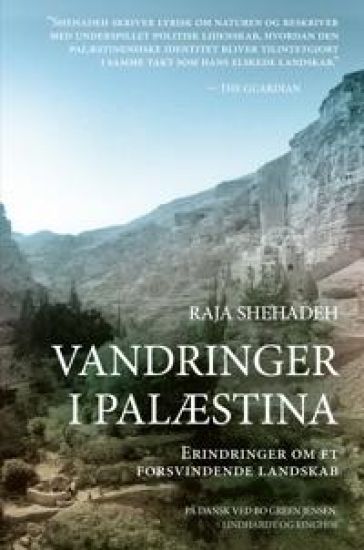
Vandringer i Palæstina - Erindringer om et forsvindende landskab
Femogtyve år. Syv vandreture. Et Palæstina der er ved at forsvinde.Raja Shehadeh vokser op i den oldgamle havneby Jaffa i det daværende Palæstina, i dag en forstad til Tel Aviv i Israel. I 1948 bliver familien fordrevet i forbindelse med Israels oprettelse og slår sig ned i Ramallah på den besatte Vestbred. Raja bliver advokat med en mission, nemlig at stoppe de ulovlige israelske bosættelser på Vestbredden ad rettens vej. Forgæves. Satellitbyerne breder sig ufortrødent trods international fordømmelse. I turbulente tider finder han sjælero ved at vandre i det grønne landskab omkring sin hjemby. I 1978 vrimler bakkerne med fortidsminder, kilderne springer om foråret, og Shehadeh kan vandre frit blandt hyrder og beduiner uden skelen til grænser eller politiske forhold. Shehadehs bevægelsesfrihed begrænses år for år, og under hans vandretur 25 år senere er de frodige højdedrag forvandlet til en gold, asfalteret forpost for israelske bosættere. Til sidst lever han som en fange i sit eget land. Vandringer i Palæstina – Erindringer om et forsvindende landskab er et litterært kampskrift med værdigheden og medmenneskeligheden som våben, men lige såvel en melankolsk hyldest til et landskab, der er ved at forsvinde, ja, knap eksisterer længere.
Forgotten

Forgotten

Raja Shehadeh; Penny Johnson

Profile Books Ltd
2025
sidottu
"Shehadeh's books are like beacons held up against the darkness" Observer "A heartbreaking, hopeful look at how Palestinian culture endures" Irish Times Forgotten is a search for hidden or neglected memorials and places in historic Palestine - now Israel and the Occupied Palestinian Territories - and what they might tell us about the land and the people who live on our small slip of earth between the Mediterranean Sea and the Jordan River. From ancient city ruins to the Nabi 'Ukkasha mosque and tomb, acclaimed writers and researchers Raja Shehadeh and Penny Johnson ask: what has been memorialised, and what lies unseen, abandoned or erased - and why? Whether standing on a high cliff overlooking Lebanon or at the lowest land-based elevation on earth at the Dead Sea, they explore lost connections in a fragmented land. In elegiac, elegant prose, Shehadeh and Johnson grapple not only with questions of Israeli resistance to acknowledging the Nakba - the 1948 catastrophe for Palestinians - but also with the complicated history of Palestinian commemoration today.
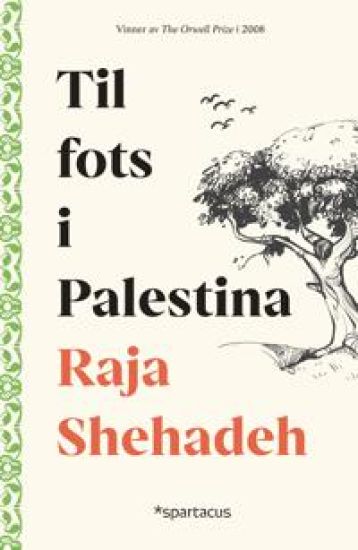
Til fots i Palestina

Til fots i Palestina

Raja Shehadeh

Spartacus
2025
sidottu
Noen ganger er en enkel fottur en politisk handling.Da Raja Shehadeh begynte å vandre rundt i de palestinske fjellene, var landskapet mer eller mindre uforandret siden Jesu tid, og forfatteren var ikke klar over at det var i ferd med å forsvinne. Men en dag dukket betongen opp, og en irreversibel prosess ble satt i gang av et folk som mente å ha en større rett til landet.Denne boka skildrer sju fotturer Shehadeh tok i løpet av 27 år, i fjellene rundt Ramallah, i ørkenen som omgir Jerusalem og de store kløftene ved Dødehavet, områder som i dag er mer eller mindre utilgjengelige.Raja Shehadeh (f. 1951) er jurist og grunnlegger av menneskerettighetsorganisasjonen Al-Haq. Han er også blant Palestinas fremste forfattere. Shehadeh bor i Ramallah på Vestbredden.
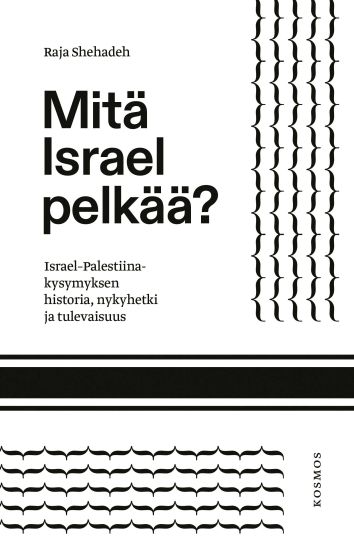
Mitä Israel pelkää?

Mitä Israel pelkää?

Raja Shehadeh

kosmos
2024
nidottu
Pitkän linjan ihmisoikeusjuristin toiveikas ja terävä näkemys palestiinalaisten historiasta sekä polusta heidän oikeuksiensa toteutumiseen omalla maallaanIsraelin valtion perustaminen vuonna 1948 aiheutti nakban, katastrofin: sionistit karkottivat suurimman osan palestiinalaisista omalta maaltaan. Etninen puhdistus ja sitä seurannut miehitys jatkuvat yhä edelleen. Nakbaa seuraavina vuosikymmeninä Berliinin muuri romahti ja Etelä-Afrikka lakkautti apartheidin, mutta Israelin valtio hylkäsi jokaisen tilaisuuden sovintoon Palestiinan kanssa.Ihmisoikeusjuristi ja yksi Palestiinan merkittävimmistä elossa olevista kirjailijoista Raja Shehadeh esittää uudessa kirjassaan, ettei historia sulje pois mahdollisuutta palestiinalaisten oikeuksien toteutumiseen ja rauhaan. Hän avaa mediassa näkyvän väkivallan taustoja tavalla joka luo suuntia toisenlaiseen tulevaisuuteen. Taitavilla ja sydäntäsärkevillä havainnoillaan Mitä Israel pelkää? tarjoaa tuoreen näkökulman ajassa, jossa ratkaisuille on valtava tarve.Teoksen on suomentanut toimittaja-kirjailija Koko Hubara, ja esipuheen suomenkieliseen laitokseen on kirjoittanut näyttelijä-näytelmäkirjailija Noora Dadu, joka on Suomen palestiinaverkosto Sumudin perustajajäsen ja puheenjohtaja.Jokaisesta myydystä paperikirjasta lahjoitetaan 1 euro Medical Aid forPalestinians -hyväntekeväisyysjärjestölle. Lisätietoa MAP:ista: https://www.map.org.ukRaja Shehadeh on Palestiinan eturivin kirjailijoita. Lisäksi hän on asianajaja ja uraauurtavan palestiinalaisen ihmisoikeusjärjestö Al-Haqin perustaja. Shehadeh on kirjoittanut useita arvostettuja teoksia, joista Palestinian Walks sai Orwell-palkinnon vuonna 2008, ja vuonna 2023 We Could Have Been Friends, My Father and I oli ehdolla National Book Awardin saajaksi. Shehadeh asuu Ramallahissa Länsirannalla.
Hva frykter Israel fra Palestina?

Hva frykter Israel fra Palestina?

Raja Shehadeh

Spartacus
2024
sidottu
I tiårene som har gått siden opprettelsen av staten Israel i 1948 og fordrivelsen av palestinerne, har Israel avvist enhver mulighet til forsoning med Palestina og stadig utvidet sin okkupasjon av Vestbredden. Konflikten mellom israelere og palestinere har med jevne mellomrom blusset opp i vold og kriger med tragisk utfall.Men det betyr ikke at de to nasjonene ikke kan arbeide sammen for fred.
We Could Have Been Friends, My Father and I: A Palestinian Memoir
Finalist for the National Book Award and Los Angeles Times Book Prize An NPR Best Book of the Year A subtle psychological portrait of the author's relationship with his father during the twentieth-century battle for Palestinian human rights. Aziz Shehadeh was many things: lawyer, activist, and political detainee, he was also the father of bestselling author and activist Raja. In this new and searingly personal memoir, Raja Shehadeh unpicks the snags and complexities of their relationship. A vocal and fearless opponent, Aziz resists under the British mandatory period, then under Jordan, and, finally, under Israel. As a young man, Raja fails to recognize his father's courage and, in turn, his father does not appreciate Raja's own efforts in campaigning for Palestinian human rights. When Aziz is murdered in 1985, it changes Raja irrevocably. This is not only the story of the battle against the various oppressors of the Palestinians, but a moving portrait of a particular father and son relationship.
A Rift in Time: Travels with My Ottoman Uncle
An engrossing family memoir that shines a light on Palestine's history, offering a wise, sobering view of how radically conditions there have changed since the late Ottoman Empire, from the award-winning author of We Could Have Been Friends, My Father and I. Raja Shehadeh's great-great-uncle Najib Nassar, a journalist born in 1865, spent the first 4 decades of his life under the Ottoman Empire. Ruled by a Muslim Sultan, the region nevertheless saw the coexistence of Christianity, Judaism, and Islam, and a freedom of movement unthinkable in the present-day Middle East. On a 2-year quest to discover Najib's fascinating story, Shehadeh follows his footsteps through what are now Lebanon and Israel, tracing the fall of the Empire after World War I and the disastrous British Mandate. A family memoir written in luminescent prose, A Rift in Time also reflects on how Palestine--in particular the disputed Jordan Rift Valley--has been transformed. Most of Palestine's history and that of its people is buried deep in the ground: whole villages have disappeared, and names have been erased from the map. Yet by seeing the bigger picture of the landscape and the unending struggle for freedom as Shehadeh does, it is still possible to look toward a better future.
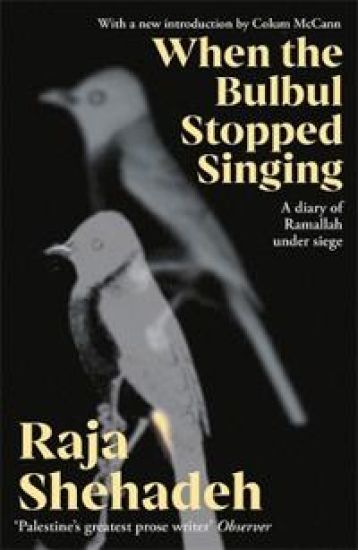
When The Bulbul Stopped Singing

When The Bulbul Stopped Singing

Raja Shehadeh

Profile Books Ltd
2024
pokkari
'Palestine's greatest prose writer' Observer 'Shehadeh is a great inquiring spirit with a tone that is vivid, ironic, melancholy and wise' Colm Tóibín Battered by repeated suicide bombs, the Israeli army invaded Palestine in April 2002 and held many of the principal towns, including Ramallah, under siege. A tank stood at the end of Raja Shehadeh's road; there were Israeli soldiers on the rooftops; his mother was sick, and he couldn't cross town to help her. Shehadeh - winner of the 2008 Orwell Prize and a finalist for the 2023 National Book Awards - kept a diary. This is an account of what it is like to be under siege: the terror, the frustrations, as well as the moments of poignant relief and reflection on the profound crisis gripping both Palestine and Israel.
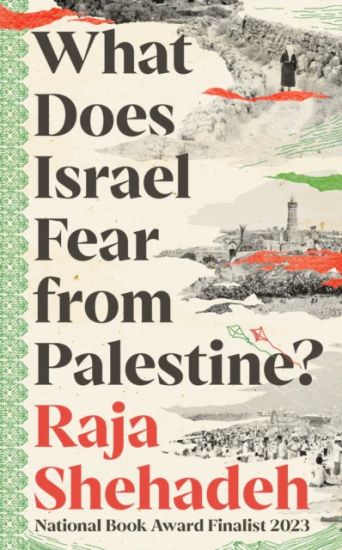
What Does Israel Fear from Palestine?

What Does Israel Fear from Palestine?

Raja Shehadeh

Profile Books Ltd
2024
pokkari
FROM THE ORWELL PRIZE-WINNER AND NATIONAL BOOK AWARD FINALIST A TLS BOOK OF THE YEAR 2024 'Palestine's greatest prose writer' Observer 'A valuable read. As well as talking through the history, Shehadeh is reaching out to Israelis and searching for some kind of dialogue' Armando Iannucci When the state of Israel was formed in 1948, it precipitated the Nakba or 'disaster': the displacement of the Palestine nation, creating fracture-lines which continue to erupt in violent and tragic ways today. In the years that followed, while the Berlin Wall crumbled and South Africa abolished apartheid, the Israeli government rejected every opportunity for reconciliation with Palestine. But Raja Shehadeh, a human rights lawyer and Palestine's greatest living writer, suggests that this does not mean the two nations cannot work together as partners on the road to peace, not genocide. In graceful, devastatingly observed prose, this is a fresh perspective in a time of great need. 'Powerful' New Statesman 'A buoy in the sea of bleakness' Rachel Kushner, author of Creation Lake 'Shehadeh is a great inquiring spirit with a tone that is vivid, ironic, melancholy and wise' Colm Toibin, author of The Magician
What Does Israel Fear from Palestine?

What Does Israel Fear from Palestine?

Raja Shehadeh

Other Press (NY)
2024
nidottu
A poignant, incisive meditation on Israel's longstanding rejection of peace, and what the war on Gaza means for Palestinian and Israeli futures. When apartheid in South Africa ended in 1994, dismantled by internal activism and global pressure, why did Israel continue to pursue its own apartheid policies against Palestinians? In keeping with a history of antagonism, the Israeli state accelerated the establishment of settlements in the Occupied Territories as extreme right-wing voices gained prominence in government, with comparatively little international backlash. Condensing this complex history into a lucid essay, Raja Shehadeh examines the many lost opportunities to promote a lasting peace and equality between Israelis and Palestinians. Since the creation of Israel in 1948, known to Palestinians as the Nakba, or catastrophe, each side's perception of events has strongly diverged. What can this discrepancy tell us about Israel's undermining of a two-state solution? And will the current genocide in Gaza finally mark a shift in the world's response? With graceful, haunting prose, Shehadeh offers insights into a defining conflict that could yet be resolved.
We Could Have Been Friends, My Father and I: A Palestinian Memoir
Finalist for the National Book Award and Los Angeles Times Book Prize An NPR Best Book of the Year A subtle psychological portrait of the author's relationship with his father during the twentieth-century battle for Palestinian human rights. Aziz Shehadeh was many things: lawyer, activist, and political detainee, he was also the father of bestselling author and activist Raja. In this new and searingly personal memoir, Raja Shehadeh unpicks the snags and complexities of their relationship. A vocal and fearless opponent, Aziz resists under the British mandatory period, then under Jordan, and, finally, under Israel. As a young man, Raja fails to recognize his father's courage and, in turn, his father does not appreciate Raja's own efforts in campaigning for Palestinian human rights. When Aziz is murdered in 1985, it changes Raja irrevocably. This is not only the story of the battle against the various oppressors of the Palestinians, but a moving portrait of a particular father and son relationship.
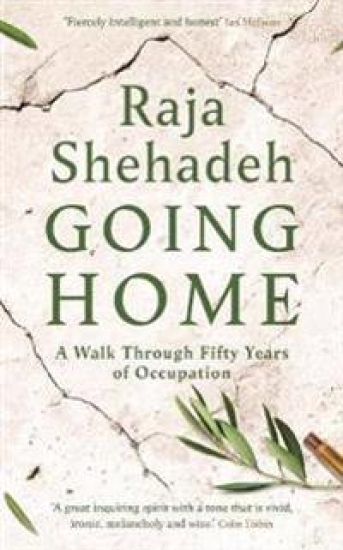
Going Home

Going Home

Raja Shehadeh

Profile Books Ltd
2020
pokkari
Winner of the Moore Prize 2020 In Going Home, Orwell Prize winning author Raja Shehadeh travels Ramallah and records the changing face of the city. Walking along the streets he grew up in, he tells the stories of the people, the relationships, the houses, and the businesses that were and now are cornerstones of the city and his community. This is, in many ways, an elegy. Green spaces - gardens and hills crowned with olive trees - have been replaced by tower blocks and concrete lots; the occupation and the settlements have further entrenched themselves in every aspect of movement-from the roads that can and cannot be used to the bureaucratic barriers that prevent people leaving the West Bank. The culture of the city has also shifted with Islam taking a more prominent role in people's everyday and political lives and the geography of the city. As he grapples with ageing and the failures of the resistance, Shehadeh notes the ways that the past still invades the presence from the ruins of the compound that was Yasser Arafat's home to the power of emigrated families to reshape neighbourhoods by selling their long-abandoned homes. This is perhaps Raja Shehadeh's most painfully visceral book.