Kirjojen hintavertailu. Mukana 12 390 323 kirjaa ja 12 kauppaa.

Kirjailija

Ramona S. McNeal

Kirjat ja teokset yhdessä paikassa: 2 kirjaa, julkaisuja vuosilta 2007-2018, suosituimpien joukossa Digital Citizenship. Vertaile teosten hintoja ja tarkista saatavuus suomalaisista kirjakaupoista.

2 kirjaa

Kirjojen julkaisuhaarukka 2007-2018.

Cyber Harassment and Policy Reform in the Digital Age

Cyber Harassment and Policy Reform in the Digital Age

Ramona S. McNeal; Susan M. Kunkle; Mary Schmeida

IGI Global
2018
sidottu
As the digital world assumes an ever-increasing role in the daily life of the public, opportunities to engage in crimes increase as well. The consequences of cyber aggression can range from emotional and psychological distress to death by suicide or homicide.Cyber Harassment and Policy Reform in the Digital Age: Emerging Research and Opportunities is a critical scholarly resource that examines cyber aggression and bullying and policy changes to combat this new form of crime. Featuring coverage on a broad range of topics such as anti-bullying programs, cyberstalking, and social exclusion, this book is geared towards academicians, researchers, policy makers, and students seeking current research on cyberstalking, harassment, and bullying.
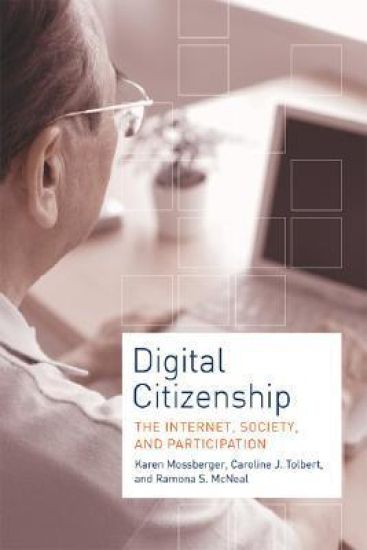
Digital Citizenship

Digital Citizenship

Karen Mossberger; Caroline J. Tolbert; Ramona S. McNeal

MIT Press
2007
pokkari
This analysis of how the ability to participate in society online affects political and economic opportunity finds that technology use matters in wages and income and civic participation and voting.Just as education has promoted democracy and economic growth, the Internet has the potential to benefit society as a whole. Digital citizenship, or the ability to participate in society online, promotes social inclusion. But statistics show that significant segments of the population are still excluded from digital citizenship. The authors of this book define digital citizens as those who are online daily. By focusing on frequent use, they reconceptualize debates about the digital divide to include both the means and the skills to participate online. They offer new evidence (drawn from recent national opinion surveys and Current Population Surveys) that technology use matters for wages and income, and for civic engagement and voting. Digital Citizenship examines three aspects of participation in society online: economic opportunity, democratic participation, and inclusion in prevailing forms of communication. The authors find that Internet use at work increases wages, with less-educated and minority workers receiving the greatest benefit, and that Internet use is significantly related to political participation, especially among the young. The authors examine in detail the gaps in technological access among minorities and the poor and predict that this digital inequality is not likely to disappear in the near future. Public policy, they argue, must address educational and technological disparities if we are to achieve full participation and citizenship in the twenty-first century.