Kirjojen hintavertailu. Mukana 12 246 063 kirjaa ja 12 kauppaa.
Kirjailija
Raymond Boyle
Kirjat ja teokset yhdessä paikassa: 14 kirjaa, julkaisuja vuosilta 2004-2026, suosituimpien joukossa The Rise and Fall of the UK Film Council. Vertaile teosten hintoja ja tarkista saatavuus suomalaisista kirjakaupoista.
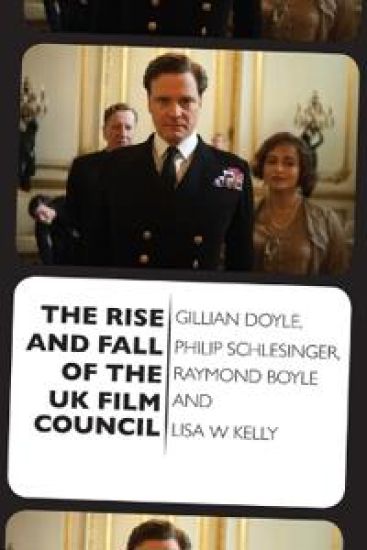
Drawing on interviews with leading film executives, politicians and industry stakeholders, including Alan Parker, Stewart Till and Tim Bevan, this book provides an empirically grounded analysis of the rise and unexpected fall of the UK Film Council, the key strategic body responsible for supporting film in the UK for over a decade. As well as offering a critical overview of the political, policy and technological contexts which framed the organisation’s creation, existence and eventual demise, the book provides a probing analysis of the tensions between national and global interests in an increasingly transnational film industry, not least underlining how both US and EU interests and pressures have played themselves out. It therefore provides a timely and significant investigation into the contemporary policy environment for film in the 21st century.
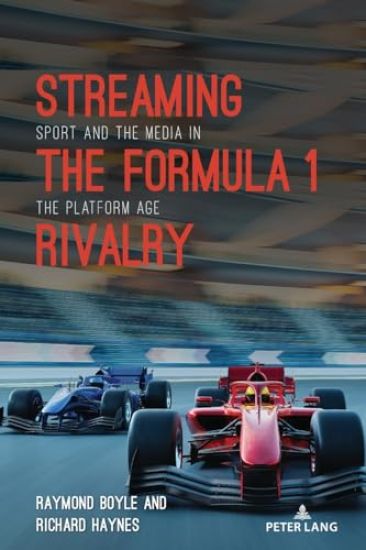
Taking the global sport of Formula 1 (F1) motor racing as a sustained case study, Streaming the Formula 1 Rivalry examines how the relationship between the sport and the media has evolved in this new digital environment. Starting with a map of the political economy of F1 and its complex commercial relationship with sponsors, investors, and the media, shows how new media owners have aimed to use social and digital media strategies to deepen the global reach of a television sport previously thought of by many as in decline. Drawing on original interviews with key stakeholders across the media and sports industry, including journalists, broadcasters, and those working within F1, this book places the sport within its broader historical context, identifying the central role that the media, particularly television has played in its history, structure, and governance. This book also explores the range of media representations and key narratives that the sport offers and how its relationship with other television genres, such as the Netflix series Drive to Survive is impacting the nature of the sport and its audience. As sport enters a new age of digital engagement, this investigation of the intense relationship between F1 and the creative industries shows us not just how the media are changing, but also that what we understand by the term "sport" is also being altered. "This is a penetrating case-study of media-sport relations in the context of major technical, cultural, and economic change. Drawing on a wide range of sources, Boyle and Haynes offer a hugely informative but also enjoyable account of the challenges and the opportunities surrounding Formula 1 as it undergoes inter-related shift s in the terms of its organization and in the scale and character of its media visibility. The authors get ‘inside’ their topic with clarity and depth." — John Corner, Professor of Communications, University of Leeds "Formula 1 has witnessed a huge transformation in recent years. Streaming the Formula 1 Rivalry successfully unpicks the way in which the changing global media landscape has both shaped and communicated the sport’s growth. Whether through the Netflix Effect or social media’s ability to turn any fan into a pundit, influencer or content creator, this book explores the complex factors impacting the way in which the narratives and storylines around Formula 1 are built. Streaming the Formula 1 Rivalry makes essential reading for any student of global sports media or Formula 1. Uniquely, it explains the media revolution which has taken place in one of world most sophisticated sporting competitions." — Mark Gallagher, Formula 1 Executive and Managing Director, Performance Insights
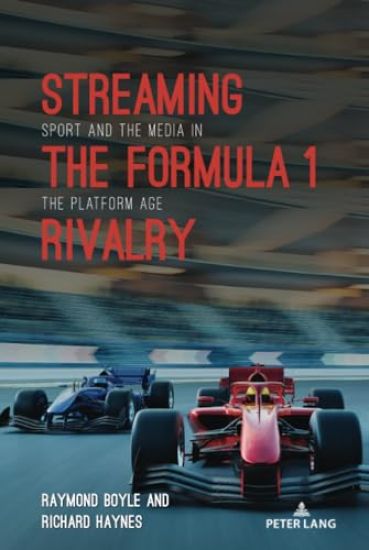
Taking the global sport of Formula 1 (F1) motor racing as a sustained case study, Streaming the Formula 1 Rivalry examines how the relationship between the sport and the media has evolved in this new digital environment. Starting with a map of the political economy of F1 and its complex commercial relationship with sponsors, investors, and the media, shows how new media owners have aimed to use social and digital media strategies to deepen the global reach of a television sport previously thought of by many as in decline. Drawing on original interviews with key stakeholders across the media and sports industry, including journalists, broadcasters, and those working within F1, this book places the sport within its broader historical context, identifying the central role that the media, particularly television has played in its history, structure, and governance. This book also explores the range of media representations and key narratives that the sport offers and how its relationship with other television genres, such as the Netflix series Drive to Survive is impacting the nature of the sport and its audience. As sport enters a new age of digital engagement, this investigation of the intense relationship between F1 and the creative industries shows us not just how the media are changing, but also that what we understand by the term "sport" is also being altered. "This is a penetrating case-study of media-sport relations in the context of major technical, cultural, and economic change. Drawing on a wide range of sources, Boyle and Haynes offer a hugely informative but also enjoyable account of the challenges and the opportunities surrounding Formula 1 as it undergoes inter-related shift s in the terms of its organization and in the scale and character of its media visibility. The authors get ‘inside’ their topic with clarity and depth." — John Corner, Professor of Communications, University of Leeds "Formula 1 has witnessed a huge transformation in recent years. Streaming the Formula 1 Rivalry successfully unpicks the way in which the changing global media landscape has both shaped and communicated the sport’s growth. Whether through the Netflix Effect or social media’s ability to turn any fan into a pundit, influencer or content creator, this book explores the complex factors impacting the way in which the narratives and storylines around Formula 1 are built. Streaming the Formula 1 Rivalry makes essential reading for any student of global sports media or Formula 1. Uniquely, it explains the media revolution which has taken place in one of world most sophisticated sporting competitions." — Mark Gallagher, Formula 1 Executive and Managing Director, Performance Insights
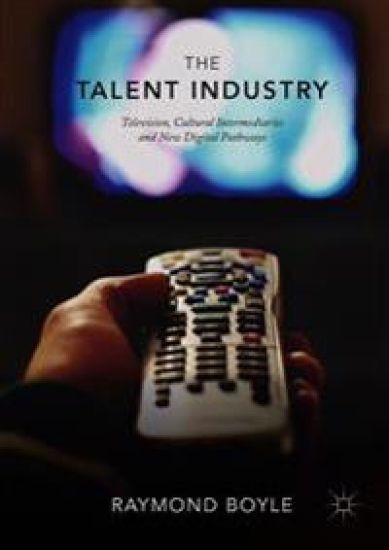
?This book explores how the digital multiplatform delivery of television is affecting the role performed by cultural intermediaries responsible for talent identification and development. Drawing on original research from key stakeholders across the television and social video sectors such as broadcasters, commissioning editors and talent agents, it investigates whether the process of digitization is offering new pathways to capture and nurture a diverse talent base within the UK television industry. It also provides an in-depth study of how the term ‘talent’ has historically been interpreted and understood within the UK television industry through the BBC and commercial PSB’s, such as ITV and Channel 4. The Talent Industry investigates how the traditional gatekeepers of talent in television are changing and examines the key role of talent agencies in managing and promoting contemporary on and off-screen talent in the digital age.
?This book explores how the digital multiplatform delivery of television is affecting the role performed by cultural intermediaries responsible for talent identification and development. Drawing on original research from key stakeholders across the television and social video sectors such as broadcasters, commissioning editors and talent agents, it investigates whether the process of digitization is offering new pathways to capture and nurture a diverse talent base within the UK television industry. It also provides an in-depth study of how the term ‘talent’ has historically been interpreted and understood within the UK television industry through the BBC and commercial PSB’s, such as ITV and Channel 4. The Talent Industry investigates how the traditional gatekeepers of talent in television are changing and examines the key role of talent agencies in managing and promoting contemporary on and off-screen talent in the digital age.
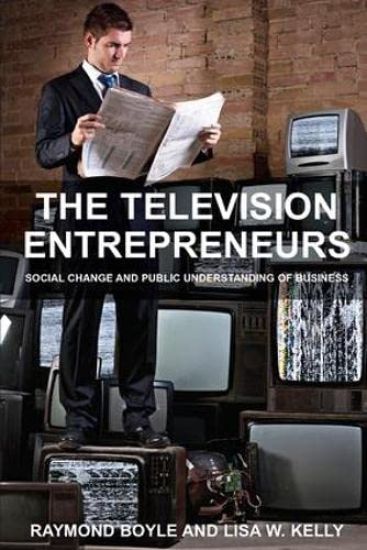
With business seemingly everywhere on television, from the risks of the retail and restaurant trade to pitching for investment or competing to become the next 'apprentice', The Television Entrepreneurs draws upon popular business-oriented shows such as The Apprentice and Dragons' Den to explore the relationship between television and business. Based on extensive interviews with key industry and business figures and drawing on new empirical research into audience perceptions of business, this book examines our changing relationship with entrepreneurship and the role played by television in shaping our understanding of the world of business. The book identifies the key structural shifts in both the television industry and the wider economy that account for these changing representations, whilst examining the extent to which television's developing interest in business and entrepreneurial issues is simply a response to wider social and economic change in society. Does a more commercial and competitive television marketplace, for instance, mean that the medium itself, through a particular focus on drama, entertainment and performance, now plays a key role in re-defining how society frames its engagements with business, finance, entrepreneurship, risk and wealth creation? Mapping the narratives of entrepreneurship constructed by television and analysing the context that produces them, The Television Entrepreneurs investigates how the television audience engages with such programmes and the possible impact these may have on public understanding of the nature of business.
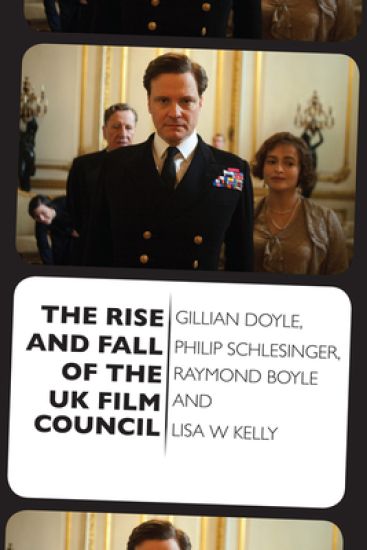
Drawing on interviews with leading film executives, politicians and industry stakeholders including all of the UKFC's chairs (Alan Parker, Stewart Till and Tim Bevan) and its CEO John Woodward, this book provides an empirically grounded analysis of the rise and unexpected fall of the UK Film Council, the key strategic body responsible for supporting film in the UK for over a decade. As well as offering a critical overview of the political, policy and technological contexts which framed the organisation's creation, existence and eventual demise, the book provides a probing analysis of the tensions between national and global interests in an increasingly transnational film industry, not least underlining how both US and EU interests and pressures have played themselves out.
With business seemingly everywhere on television, from the risks of the retail and restaurant trade to pitching for investment or competing to become the next 'apprentice', The Television Entrepreneurs draws upon popular business-oriented shows such as The Apprentice and Dragons' Den to explore the relationship between television and business. Based on extensive interviews with key industry and business figures and drawing on new empirical research into audience perceptions of business, this book examines our changing relationship with entrepreneurship and the role played by television in shaping our understanding of the world of business. The book identifies the key structural shifts in both the television industry and the wider economy that account for these changing representations, whilst examining the extent to which television's developing interest in business and entrepreneurial issues is simply a response to wider social and economic change in society. Does a more commercial and competitive television marketplace, for instance, mean that the medium itself, through a particular focus on drama, entertainment and performance, now plays a key role in re-defining how society frames its engagements with business, finance, entrepreneurship, risk and wealth creation? Mapping the narratives of entrepreneurship constructed by television and analysing the context that produces them, The Television Entrepreneurs investigates how the television audience engages with such programmes and the possible impact these may have on public understanding of the nature of business.
Praise for the first edition: 'An excellent book that tries to come to grips with the ever-increasing role of sport in the media as a particular phenomenon of 20th-century popular culture.' European Journal of Communication (2000) 'Excellent, well written and informative! of interest and use to a wider constituency.' Times Higher Education Supplement (May 2000) The fully revised and updated version of this classic text examines the link between three key obsessions of the 21st century: the media, sport and popular culture. Gathering new material from around the 2007 Rugby World Cup, the Beijing Olympics and the rise of new sports stars such as boxing's Amir Khan and cycling's Victoria Pendleton, the authors explore a wide range of sports, as well as issues including nationalism, gender, race, political economy and the changing patterns of media sport consumption. For those interested in media and sport the second edition combines new and original material with an overview of the developing field of media sport, and examines the way in which the media has increasingly come to dominate how sport is played, organized and thought about in society. It traces the historical evolution of the relationship between sport and the media and examines the complex business relationships that have grown up around television, sponsors and sport. Covers the following topics: the history of media in sport; television, sport and sponsorship; why sport matters to television; sports stars; sports journalism; fans and the audience; sport in the digital media economy.
Praise for the first edition: 'An excellent book that tries to come to grips with the ever-increasing role of sport in the media as a particular phenomenon of 20th-century popular culture.' European Journal of Communication (2000) 'Excellent, well written and informative! of interest and use to a wider constituency.' Times Higher Education Supplement (May 2000) The fully revised and updated version of this classic text examines the link between three key obsessions of the 21st century: the media, sport and popular culture. Gathering new material from around the 2007 Rugby World Cup, the Beijing Olympics and the rise of new sports stars such as boxing's Amir Khan and cycling's Victoria Pendleton, the authors explore a wide range of sports, as well as issues including nationalism, gender, race, political economy and the changing patterns of media sport consumption. For those interested in media and sport the second edition combines new and original material with an overview of the developing field of media sport, and examines the way in which the media has increasingly come to dominate how sport is played, organized and thought about in society. It traces the historical evolution of the relationship between sport and the media and examines the complex business relationships that have grown up around television, sponsors and sport. Covers the following topics: the history of media in sport; television, sport and sponsorship; why sport matters to television; sports stars; sports journalism; fans and the audience; sport in the digital media economy.
Boyle’s study is essential reading for all students, teachers and researchers of sports journalism. - Journalism "Very clear and accessible, addressing key and complex issues in a plain and clearcut way." -Alan Tomlinson, University of Brighton Across all media; print, broadcast as well as online, sports journalism has come to occupy an increasingly visible space. This book looks at the institutional, cultural and economic environment and provides an invaluable overview of contemporary sports journalism across all media forms. The book: Situates sports journalism within the broader historical, economic, technological and cultural contexts.Examines the commercialisation of sport and the impact this is having on sports journalism.Looks at the relationship between PR and journalism.Considers the gendered nature of the industry and the impact of digital technology on professional practice.
Boyle’s study is essential reading for all students, teachers and researchers of sports journalism. - Journalism "Very clear and accessible, addressing key and complex issues in a plain and clearcut way." -Alan Tomlinson, University of Brighton Across all media; print, broadcast as well as online, sports journalism has come to occupy an increasingly visible space. This book looks at the institutional, cultural and economic environment and provides an invaluable overview of contemporary sports journalism across all media forms. The book: Situates sports journalism within the broader historical, economic, technological and cultural contexts.Examines the commercialisation of sport and the impact this is having on sports journalism.Looks at the relationship between PR and journalism.Considers the gendered nature of the industry and the impact of digital technology on professional practice.
Football in the New Media Age analyzes the impact of media change on the football industry, drawing on extensive interviews with key people in the media and football industry. It examines the finances of the game; the rising importance of rights and rights management in the industry; and attempts by clubs to develop their own media capacity. At the core of the book is an examination of the battle for control of the game as media, business and fans all seek to redefine the sport in the twenty-first century.Football is rarely out of the headlines, with stories about star players misbehaving, clubs facing financial meltdown, or TV companies battling over broadcast rights dominating much of the mainstream news and current affairs agenda.The impact of the vast amounts of money paid to elite footballers, and the inability of young men to cope with this when combined with their media-fuelled celebrity status, have frequently made headlines. At the core of this process is the battle to control a game that has exploited its position as a key 'content provider' for new media over the last decade, and this book provides the examiniation and analysis to study this problem.
Football in the New Media Age analyzes the impact of media change on the football industry, drawing on extensive interviews with key people in the media and football industry. It examines the finances of the game; the rising importance of rights and rights management in the industry; and attempts by clubs to develop their own media capacity. At the core of the book is an examination of the battle for control of the game as media, business and fans all seek to redefine the sport in the twenty-first century.Football is rarely out of the headlines, with stories about star players misbehaving, clubs facing financial meltdown, or TV companies battling over broadcast rights dominating much of the mainstream news and current affairs agenda.The impact of the vast amounts of money paid to elite footballers, and the inability of young men to cope with this when combined with their media-fuelled celebrity status, have frequently made headlines. At the core of this process is the battle to control a game that has exploited its position as a key 'content provider' for new media over the last decade, and this book provides the examiniation and analysis to study this problem.