Kirjojen hintavertailu. Mukana 12 390 323 kirjaa ja 12 kauppaa.

Kirjailija

Raymond Fox

Kirjat ja teokset yhdessä paikassa: 4 kirjaa, julkaisuja vuosilta 2011-2016, suosituimpien joukossa An Introduction To Freemasonry: What Is It And How To Join?. Vertaile teosten hintoja ja tarkista saatavuus suomalaisista kirjakaupoista.

4 kirjaa

Kirjojen julkaisuhaarukka 2011-2016.

Elements of the Helping Process

Elements of the Helping Process

Raymond Fox

Routledge
2013
sidottu
Elements of the Helping Process: A Guide for Clinicians takes a humanistic approach to guiding clinicians, emphasizing that professional practice involves a deliberate, conscious, and disciplined use of self with clients participating in a forum that is steady, safe, and consistent. As with the previous editions, it is directed personally to clinicians and students and contains illustrative case material and instructive excerpts from actual practice experience. Fox advances five overarching themes: the advent and influence of neuroscience, genetics, and epigenetics and their implications for differential interventions the pivotal place of self-awareness, introspection, and reflection in providing treatment the intersection of science and art, evidence-based practice, and experiential wisdom in advancing effective therapy the infusion and provision of hope, especially in calamitous situations personality typeSelected chapters from the second edition have been updated and expanded, and new chapters on such topics as neuroscience and genetics, the contribution of personality types, and advances in trauma research and treatment have been added. Any mental health clinician looking for guidance on establishing an environment of sharing, openness, challenge, and change with his or her clients will find this book to be an invaluable resource.
Elements of the Helping Process

Elements of the Helping Process

Raymond Fox

Routledge
2013
nidottu
Elements of the Helping Process: A Guide for Clinicians takes a humanistic approach to guiding clinicians, emphasizing that professional practice involves a deliberate, conscious, and disciplined use of self with clients participating in a forum that is steady, safe, and consistent. As with the previous editions, it is directed personally to clinicians and students and contains illustrative case material and instructive excerpts from actual practice experience. Fox advances five overarching themes: the advent and influence of neuroscience, genetics, and epigenetics and their implications for differential interventions the pivotal place of self-awareness, introspection, and reflection in providing treatment the intersection of science and art, evidence-based practice, and experiential wisdom in advancing effective therapy the infusion and provision of hope, especially in calamitous situations personality typeSelected chapters from the second edition have been updated and expanded, and new chapters on such topics as neuroscience and genetics, the contribution of personality types, and advances in trauma research and treatment have been added. Any mental health clinician looking for guidance on establishing an environment of sharing, openness, challenge, and change with his or her clients will find this book to be an invaluable resource.
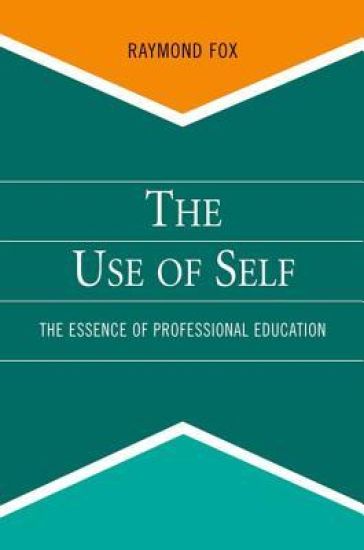
The Use of Self

The Use of Self

Raymond Fox

Oxford University Press Inc
2011
nidottu
The finest teachers attempt to make direct connections between classroom knowledge and its application to the varieties of practice. Ray Fox emphasizes that a teacher of future practitioners must expand upon lectures and mere memorization; the interaction between teacher and student should substantially model ones that students are encouraged to employ with clients. The Use of Self presents an active, learner-centered process of professional education that emphasizes relationships and reflection in the classroom. The book shows how teachers can establish classroom environments of sharing, openness, challenge, and change. According to the author, the goal of higher education is to mold students into scientifically sophisticated, humane, and client-centered practitioners with knowledge grounded in discipline and skills anchored in art and compassion. This book will help professors accomplish this goal. Part 1 integrates conceptual knowledge with affective and experiential processes. These chapters focus on artistry and creativity in teaching. Part 2 describes methods to help students establish a sound professional identity and prepare for effective professional functioning. The author presents ways to involve students in adapting course content and direction so as to merge their styles of learning with the instructor's style of teaching, thus providing an environment conducive to shaping professional minds. Part 3 provides teaching methods and tools that promote reflection and encourage students to relate to classmates and, eventually, clients.