Kirjojen hintavertailu. Mukana 12 595 353 kirjaa ja 12 kauppaa.

Kirjailija

Rayna Denison

Kirjat ja teokset yhdessä paikassa: 4 kirjaa, julkaisuja vuosilta 2015-2024, suosituimpien joukossa Anime. Vertaile teosten hintoja ja tarkista saatavuus suomalaisista kirjakaupoista.

4 kirjaa

Kirjojen julkaisuhaarukka 2015-2024.

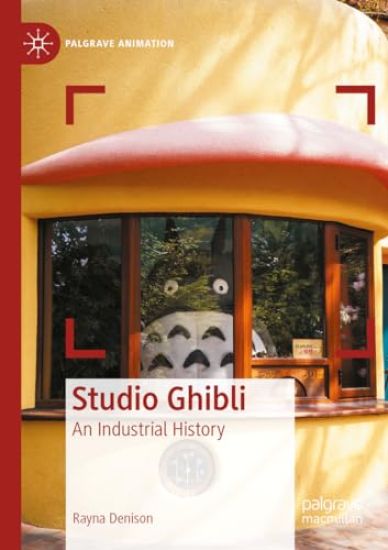
Studio Ghibli

Studio Ghibli

Rayna Denison

Springer International Publishing AG
2024
nidottu
Studio Ghibli: An Industrial History takes us deep into the production world of the animation studio co-founded by Oscar-winning director Hayao Miyazaki. It investigates the production culture at Studio Ghibli and considers how the studio has become one of the world’s most famous animation houses. The book breaks with the usual methods for studying Miyazaki and Ghibli’s films, going beyond textual analysis to unpack the myths that have grown up around the studio during its long history. It looks back at over 35 years of filmmaking by Miyazaki and other Ghibli directors, reconsidering the studio’s reputation for egalitarianism and feminism, re-examining its relationship to the art of cel and CG animation, investigating Studio Ghibli’s work outside of feature filmmaking from advertising to videogames and tackling the studio’s difficulties in finding new generations of directors to follow in the footsteps of Miyazaki and Isao Takahata. By reconstructing the history of Studio Ghibli through its own records, promotional documents and staff interviews, Studio Ghibli: An Industrial History offers a new perspective not just on Ghibli, but on the industrial history of Japanese animation.
Studio Ghibli

Studio Ghibli

Rayna Denison

Springer International Publishing AG
2023
sidottu
Studio Ghibli: An Industrial History takes us deep into the production world of the animation studio co-founded by Oscar-winning director Hayao Miyazaki. It investigates the production culture at Studio Ghibli and considers how the studio has become one of the world’s most famous animation houses. The book breaks with the usual methods for studying Miyazaki and Ghibli’s films, going beyond textual analysis to unpack the myths that have grown up around the studio during its long history. It looks back at over 35 years of filmmaking by Miyazaki and other Ghibli directors, reconsidering the studio’s reputation for egalitarianism and feminism, re-examining its relationship to the art of cel and CG animation, investigating Studio Ghibli’s work outside of feature filmmaking from advertising to videogames and tackling the studio’s difficulties in finding new generations of directors to follow in the footsteps of Miyazaki and Isao Takahata. By reconstructing the history of Studio Ghibli through its own records, promotional documents and staff interviews, Studio Ghibli: An Industrial History offers a new perspective not just on Ghibli, but on the industrial history of Japanese animation.
Anime

Anime

Rayna Denison

Bloomsbury Academic
2015
sidottu
Anime: A Critical Introduction maps the genres that have thrived within Japanese animation culture, and shows how a wide range of commentators have made sense of anime through discussions of its generic landscape. From the battling robots that define the mecha genre through to Studio Ghibli’s dominant genre-brand of plucky shojo (young girl) characters, this book charts the rise of anime as a globally significant category of animation. It further thinks through the differences between anime’s local and global genres: from the less-considered niches like nichijo-kei (everyday style anime) through to the global popularity of science fiction anime, this book tackles the tensions between the markets and audiences for anime texts. Anime is consequently understood in this book as a complex cultural phenomenon: not simply a “genre,” but as an always shifting and changing set of texts. Its inherent changeability makes anime an ideal contender for global dissemination, as it can be easily re-edited, translated and then newly understood as it moves through the world’s animation markets. As such, Anime: A Critical Introduction explores anime through a range of debates that have emerged around its key film texts, through discussions of animation and violence, through debates about the cyborg and through the differences between local and global understandings of anime products. Anime: A Critical Introduction uses these debates to frame a different kind of understanding of anime, one rooted in contexts, rather than just texts. In this way, Anime: A Critical Introduction works to create a space in which we can rethink the meanings of anime as it travels around the world.
Anime

Anime

Rayna Denison

Bloomsbury Academic
2015
nidottu
Anime: A Critical Introduction maps the genres that have thrived within Japanese animation culture, and shows how a wide range of commentators have made sense of anime through discussions of its generic landscape. From the battling robots that define the mecha genre through to Studio Ghibli’s dominant genre-brand of plucky shojo (young girl) characters, this book charts the rise of anime as a globally significant category of animation. It further thinks through the differences between anime’s local and global genres: from the less-considered niches like nichijo-kei (everyday style anime) through to the global popularity of science fiction anime, this book tackles the tensions between the markets and audiences for anime texts. Anime is consequently understood in this book as a complex cultural phenomenon: not simply a “genre,” but as an always shifting and changing set of texts. Its inherent changeability makes anime an ideal contender for global dissemination, as it can be easily re-edited, translated and then newly understood as it moves through the world’s animation markets. As such, Anime: A Critical Introduction explores anime through a range of debates that have emerged around its key film texts, through discussions of animation and violence, through debates about the cyborg and through the differences between local and global understandings of anime products. Anime: A Critical Introduction uses these debates to frame a different kind of understanding of anime, one rooted in contexts, rather than just texts. In this way, Anime: A Critical Introduction works to create a space in which we can rethink the meanings of anime as it travels around the world.