Kirjailija
Rebecca Adams
Kirjat ja teokset yhdessä paikassa: 13 kirjaa, julkaisuja vuosilta 2009-2026, suosituimpien joukossa Learning Language. Vertaile teosten hintoja ja tarkista saatavuus suomalaisista kirjakaupoista.
13 kirjaa
Kirjojen julkaisuhaarukka 2009-2026.
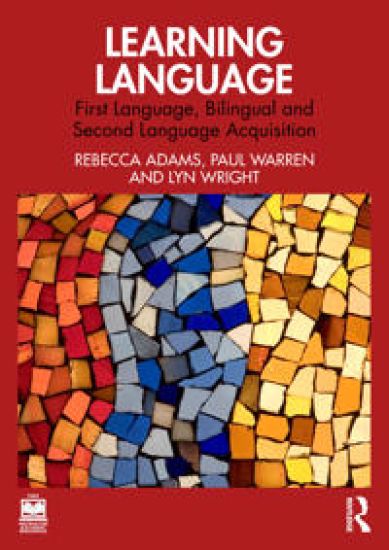
Learning Language: First Language, Bilingual, and Second Language Acquisition is the first textbook to offer a holistic introduction to language acquisition, combining from three key fields: child first language acquisition, bi- and mulitilingual acquisition, and second language acquisition. Rich in pedagogy, this innovative book adopts a distinct interdisciplinary approach to coherently explain how languages are learned. Organised around the linguistic targets of acquisition (sounds, words, structures, communication), the book offers a clear and deep understanding of the commonalities and divergence among these three research traditions. In this volume, Adams, Warren and Wright survey both the core theory principles and research practices in each area. They support students, researchers, and instructors by providing clear explanations, clear examples, and a wide range of instructional materials: from an overview of key research methods and guiding theories to definitions of key terms, reflection questions to spark discussion, and class exercises. Downloadable material is also available, including practical exercises, additional readings, and suggested research topics. Instructors and readers can choose to follow the book structure or to use the three main sections independently, focusing on each type of language acquisition in turn. This unique book provides an ideal basis for introductory courses in Language Acquisition, ESOL, Applied Linguistics for Language Teaching, Child Language Development, and Speech Pathology programs. It also serves as a flexible and accessible resource for anyone interested in applied linguistics and language acquisition
Drawing on experiences of ESOL teachers from around the world, this book provides insights into how peer learning is understood and used in real language classrooms. Based on survey responses, interviews, and observations in a wide range of classroom settings, this book integrates research on peer interaction in second language learning from cognitive and social frameworks with original data on teacher beliefs and practices around the use of peer learning in their teaching. Readers will gain understanding, through teachers' own words, of how peer interaction is used to teach linguistic form, how learners collaborate to develop oral and written communication skills, and how technology is used with peer learning. This book also delineates the ways that current second language peer interaction research diverges from classroom practice and concludes with a classroom-centered research agenda that addresses the nexus of research and practice on second language peer interaction. The book provides a template for integrating research- and practice-based perspectives on second language learning. Language teachers, teacher educators, second language researchers, and advanced students of applied linguistics, SLA, TESOL, and language pedagogy will benefit from this volume’s perspective and unique work.
Ignite
Rebecca Adams; Kendra Moberly; Merry Ohler; Melodye Reeves; Tawnya Smith; Shannon Vicker; Sara Bailey; Paula Romang; Audra Watson; Rachel Jones; Lesley Crawford
Lulu.com
2019
nidottu
Whose shoulders of faith are westanding on as a Church today?What if your faith was meant toIgnite the world around you likethose who have gone before?!
Teaching through Peer Interaction prepares teachers to use peer communication in the classroom. It presents current research of peer interaction and language learning for teachers, including background on the role of peer interaction in classroom language learning, guidelines for adopting and adapting peer interaction opportunities in real classrooms, and perspectives on teachers’ frequently expressed concerns and questions about peer interaction. Practical and comprehensive, this text brings together information on peer communication across the different skill areas, for different learners, in different contexts, and includes discussion on assessment. The text is replete with sample activities, tasks, and instructional sequences to aid teachers' understanding of how to use peer interaction effectively in a range of classroom settings, making it the ideal textbook for upper-level undergraduate and graduate students in language education programs, as well as in-service teachers.
Affirmations and Antidotes That Strengthen Me: Words of Wisdom, Guidance and Inspiration
Marilyn E. Porter; Betty Speaks; Rebecca Adams
Scatterbrained Genius Enterprises
2018
nidottu
The third book in the Affirmations and Antidotes Series Strength is something that we all need and we all have it. The authors of this book have come together to encourage their reader to pursue strength through daily affirmations and wisdom.
Peer Interaction and Second Language Learning
Jenefer Philp; Rebecca Adams; Noriko Iwashita
Routledge
2014
sidottu
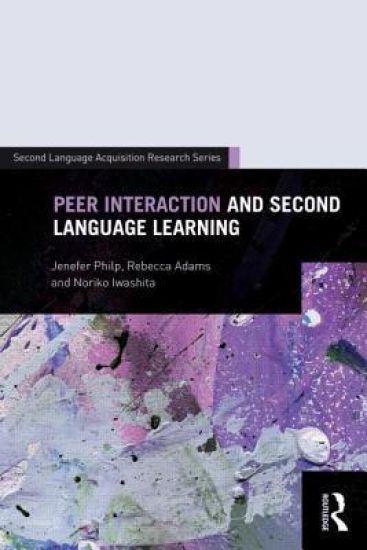
Peer Interaction and Second Language Learning synthesizes the existing body of research on the role of peer interaction in second language learning in one comprehensive volume. In spite of the many hours that language learners spend interacting with peers in the classroom, there is a tendency to evaluate the usefulness of this time by comparison to whole class interaction with the teacher. Yet teachers are teachers and peers are peers – as partners in interaction, they are likely to offer very different kinds of learning opportunities. This book encourages researchers and instructors alike to take a new look at the potential of peer interaction to foster second language development. Acknowledging the context of peer interaction as highly dynamic and complex, the book considers the strengths and limitations of peer work from a range of theoretical perspectives. In doing so, Peer Interaction and Second Language Learning clarifies features of effective peer interaction for second language learning across a range of educational contexts, age spans, proficiency levels, and classroom tasks and settings.
Peer Interaction and Second Language Learning
Jenefer Philp; Rebecca Adams; Noriko Iwashita
Routledge
2013
nidottu
Peer Interaction and Second Language Learning synthesizes the existing body of research on the role of peer interaction in second language learning in one comprehensive volume. In spite of the many hours that language learners spend interacting with peers in the classroom, there is a tendency to evaluate the usefulness of this time by comparison to whole class interaction with the teacher. Yet teachers are teachers and peers are peers – as partners in interaction, they are likely to offer very different kinds of learning opportunities. This book encourages researchers and instructors alike to take a new look at the potential of peer interaction to foster second language development. Acknowledging the context of peer interaction as highly dynamic and complex, the book considers the strengths and limitations of peer work from a range of theoretical perspectives. In doing so, Peer Interaction and Second Language Learning clarifies features of effective peer interaction for second language learning across a range of educational contexts, age spans, proficiency levels, and classroom tasks and settings.
Xavier Naidoo ist vielen Menschen ein Begriff - der deutsche Soul- und R&B S nger geh rt zu einem der erfolgreichsten Solok nstler Deutschlands. Doch was ist das Geheimnis seines Erfolges? Warum bleiben gerade seine Lieder, die sich berwiegend mit bekennendem Christentum und der Apokalypse, mit N chstenliebe und der Bek mpfung von Fremdenhass"1 besch ftigen, in den K pfen seiner prim r jungen Zielgruppe verankert? Wer ist der Mensch hinter den Liedern? Obwohl es sich bei Xavier Naidoo um einen sehr jungen K nstler handelt - im Verh ltnis zu anderen, die einen vergleichbaren Stellenwert in der Musikszene einnehmen - liegt leider noch wenig autobiografisches Material vor, Literatur ber den K nstler selber ist mehr als mager vorhanden. Dennoch habe ich mich in der vorliegenden Hausarbeit dem Ph nomen Xavier Naidoo intensiv gewidmet und, neben der Charakterisierung der Person, auch eines seiner bekanntesten Lieder Nicht von dieser Welt" analysiert.Ich habe es als interessant empfunden, mich im Rahmen des Seminars Pop-Poesie" auf die Spuren, die Xavier Naidoo in der Musikgeschichte hinterl sst und hinterlassen hat, zu begeben.Doch zuerst einmal stellt sich die Frage, was sich hinter dem Neologismus Pop- Poesie" verbirgt? Es ist die Idee, moderne, kommerzielle, massenpopul re Popmusik als eine Form der zeitgen ssischen Lyrik zu betrachten. Ziel ist es, bei Ann herung an die moderne Pop-Lyrik festzustellen, wo die Unterschiede liegen zur lyrischen Hochkultur (damit verbinden wir jene Hochkultur, mit der sich Jung und Alt in der Schule befasst hat). Ein weiteres Ziel stellt dar ber hinaus die bertragung jener Erfahrung mit der lyrischen Hochkultur auf die popul re Lyrik dar.Im Rahmen dieser Arbeit werde ich mich daher mit einer Analyse von Xavier Naidoos Song Nicht von dieser Welt" besch ftigen. Neben einer Analyse des Songtextes werde ich auch auf die Wirkung der Musik und ihr Verh ltnis zum Text n her eingehen.Zum Schluss m chte ich beleuchten, wer der Mann hi