Kirjailija
Rebecca Sullivan
Kirjat ja teokset yhdessä paikassa: 25 kirjaa, julkaisuja vuosilta 2005-2026, suosituimpien joukossa Canadian Television Today. Vertaile teosten hintoja ja tarkista saatavuus suomalaisista kirjakaupoista.
25 kirjaa
Kirjojen julkaisuhaarukka 2005-2026.
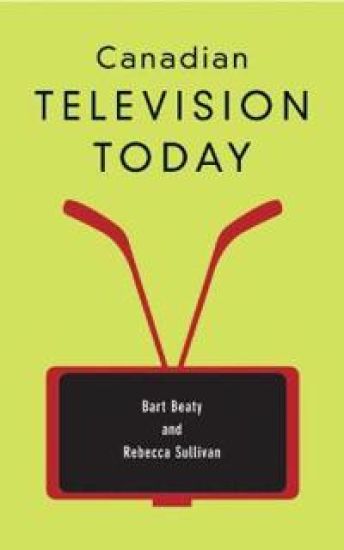
What's on TV? Canadian Television Today explores the current challenges and issues facing the English-language television industry in Canada. Television in Canada has long been one of the principal conduits of national identity. But has it kept pace with the rapidly changing landscape of Canadian culture? After presenting an overview of the main issues and debates surrounding the Canadian small screen, Beaty and Sullivan offer their suggestions for the future of the medium. They argue that in today's globalized world, Canadian television should be a more fitting reflection of Canada's multicultural society, embracing a broader range of languages, cultures, and viewing strategies. Visualizing the potential reach of a revitalized industry, Beaty and Sullivan illustrate the promise and possibility of Canadian television that serves the cultural needs of all its citizens. .
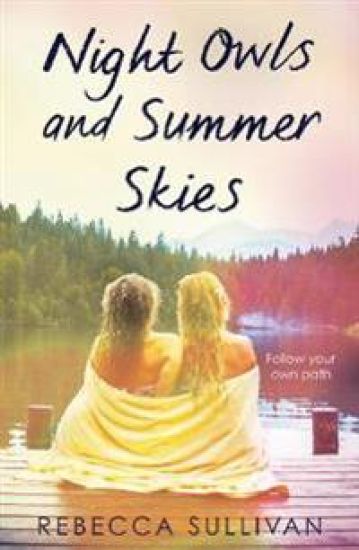
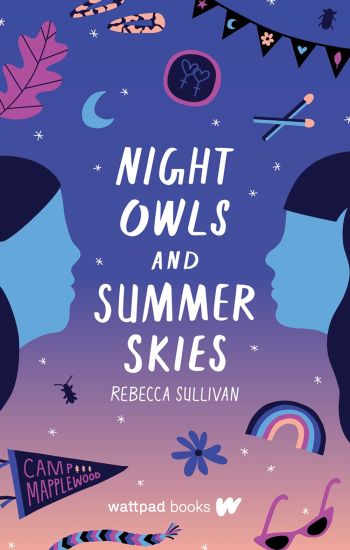
A swoony LGBTQ+ summer romance, perfect for fans of Becky Albertalli.Seventeen-year-old Emma is dreading spending the summer with her mom, who's never accepted that Emma's gay. But when she arrives, she discovers her mom has remarried in secret - and while she heads off on a cruise with her new husband, she's sending Emma to summer camp.Camp Mapplewood is Emma's nightmare. But when she tries to escape, she's caught by one of the counsellors: Vivian. They're drawn to one another, and grow closer. But the end of the summer looms. When they have to return to their normal lives, can they find a way to stay together?
You have to step off the trail to find your path . . .When her mother unceremoniously dumps her at Camp Mapplewood for the summer, Emma Lane's hopes of repairing their fractured relationship are gone with the wind. Now she's stuck in the wilderness facing her worst fears. Trees? Terrifying. Spiders? Even worse. And don't even get Emma started on how she feels about camp activities. But Emma's got a plan, and she will do anything in her power to get kicked out of camp, from sleeping in to playing practical jokes on her fellow campers. Yet when Emma draws the attention of her illusive and attractive camp counselor Vivian Black, she has to come to terms with the fact that how her summer starts isn't necessarily how it might end. Will Vivian be the key to unlocking Emma's fears once and for all?
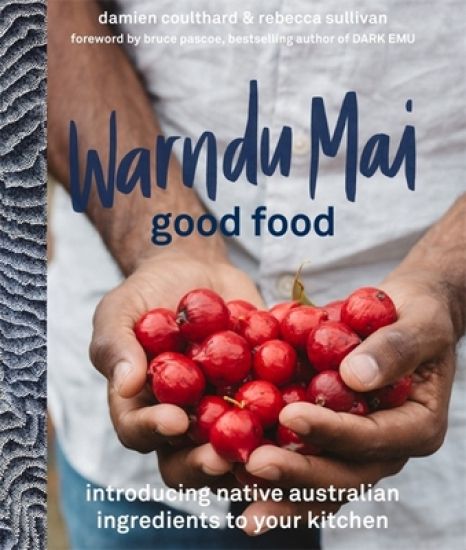
'It deserves a place in every Australian kitchen' - Delicious MagazineFeatures a foreword from the bestselling author of DARK EMU, Bruce Pascoe.This gorgeous illustrated, informative and contemporary cookbook and compendium of native foods will show you how to create truly Australian food and drinks at home. With a few small adjustments and a little experimentation you can prepare delicious food that is better for the Australian environment, is more sustainable and celebrates the amazing ingredients that are truly local.Warndu Mai (Good Food) contains information about seasonal availability, hints, tips and over 80 illustrated and accessible recipes showcasing Australian native foods, using ingredients such as Kakadu plum, native currants, finger lime and pepperberry to create unique dishes and treats - from wattleseed brownies, emu egg sponge cake and bunya nut pesto to native berry, cherry and lime cordial, strawberry gum pavlova and kangaroo carpaccio. It's a must-have for every kitchen.
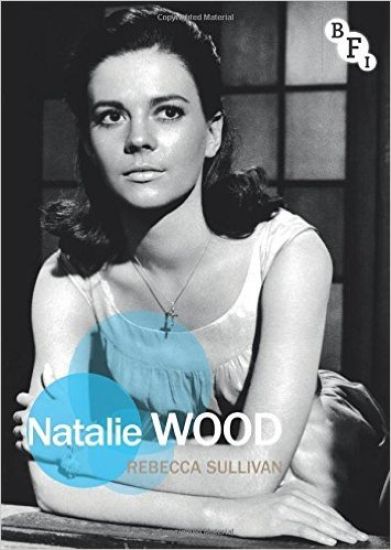
Throughout her career, Natalie Wood teetered precariously on the edge of greatness. Trained in the classical Hollywood studio style, but best mentored by Method directors, Wood was the ideal actress for roles depicting shifting perceptions of American womanhood. Nonetheless, while many of her films are considered classics of mid-twentieth century American cinema, she is less remembered for her acting than she is for her mysterious and tragic death. Rebecca Sullivan's lucid and engaging study of Natalie Wood's career sheds new light on her enormous, albeit uneven, contributions to American cinema. This persuasive text argues for renewed appreciation of Natalie Wood by situating her enigmatic performances in the context of a transforming star industry and revolutionary, post-war sexual politics.
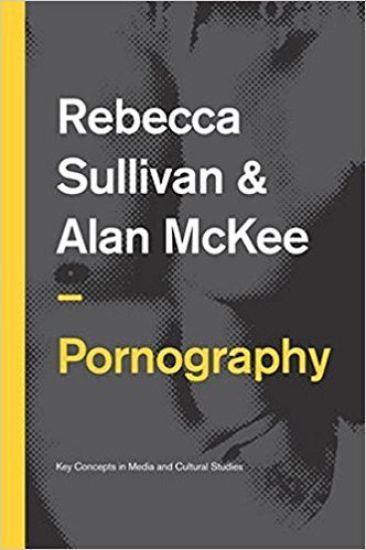
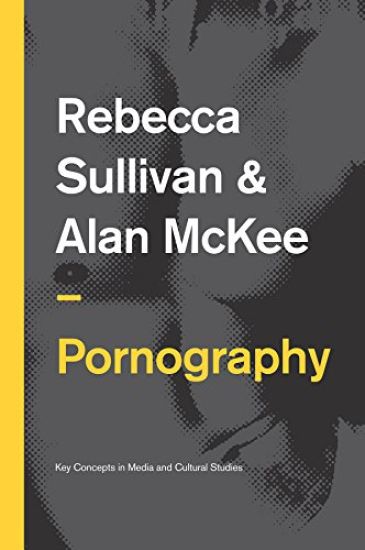
Written for a broad audience and grounded in cutting-edge, contemporary scholarship, this volume addresses some of the key questions asked about pornography today. What is it? For whom is it produced? What sorts of sexualities does it help produce? Why should we study it, and what should be the most urgent issues when we do? What does it mean when we talk about pornography as violence? What could it mean if we discussed pornography through frameworks of consent, self-determination and performance?This book places the arguments from conservative and radical anti-porn activists against the challenges coming from a new generation of feminist and queer porn performers and educators. Combining sensitive and detailed discussion of case studies with careful attention to the voices of those working in pornography, it provides scholars, activists and those hoping to find new ways of understanding sexuality with the first overview of the histories and futures of pornography.
Index to the 1800 Massachusetts Federal Census for the County of Middlesex
Deborah Lee Larsson; Rebecca Sullivan
Createspace Independent Publishing Platform
2014
nidottu
Index to the 1800 Massachusetts Federal Census for the County of Berkshire
Deborah Lee Larsson; Rebecca Sullivan
Createspace Independent Publishing Platform
2014
nidottu
Index to the 1800 Massachusetts Federal Census for the County of Plymouth
Deborah Lee Larsson; Rebecca Sullivan
Createspace Independent Publishing Platform
2014
nidottu
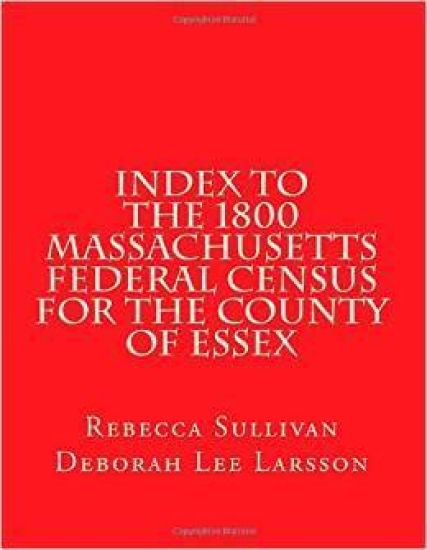
Index to the 1800 Massachusetts Federal Census for the County of Essex
Deborah Lee Larsson; Rebecca Sullivan
Createspace Independent Publishing Platform
2014
nidottu
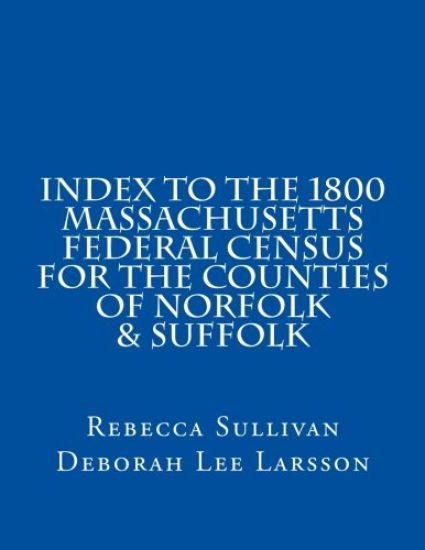
Index to the 1800 Massachusetts Federal Census for the Counties of Norfolk & Suffolk
Deborah Lee Larsson; Rebecca Sullivan
Createspace Independent Publishing Platform
2014
nidottu
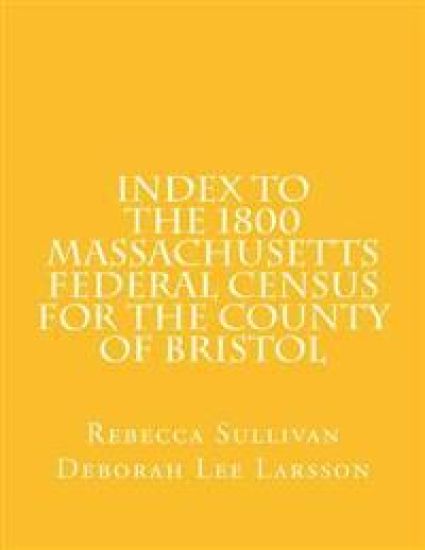
Index to the 1800 Massachusetts Federal Census for the County of Bristol
Deborah Lee Larsson; Rebecca Sullivan
Createspace Independent Publishing Platform
2014
nidottu
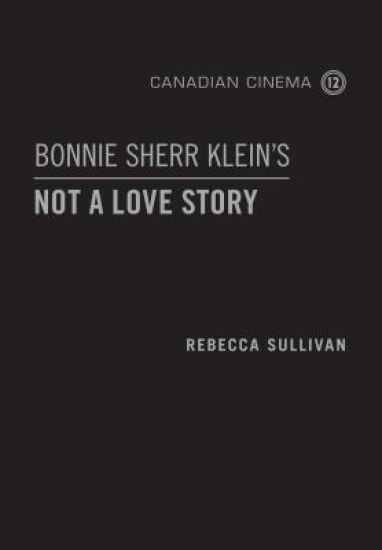
Bonnie Sherr Klein’s “Not a Love Story” provocatively examines the first Canadian film to explore pornography’s role in society from a feminist perspective. Directed by Bonnie Sherr Klein for Studio D, the National Film Board’s women’s unit, the film featured both Klein and Lindalee Tracey, an activist, performance artist, and stripper, as they toured the seamier fringes of pornography and sex work in Montreal, Toronto, New York, and San Francisco. Censored in Ontario upon its release in 1981, Not a Love Story collided with the escalating “Porn Wars” that contributed to the tearing apart of the second-wave feminist movement. Using interviews with members of the crew and extensive archival research into the production process, Rebecca Sullivan delves into the creation and reception of Not a Love Story to explore the issues of censorship, sexual labour and performance, and documentary practice that the film raised. An insightful analysis not just of the film itself but of the issues which surround feminist analyses of pornography as a genre, Bonnie Sherr Klein’s “Not a Love Story” offers a fresh assessment of Canada’s women’s movement and the politics of feminist filmmaking during a volatile era.